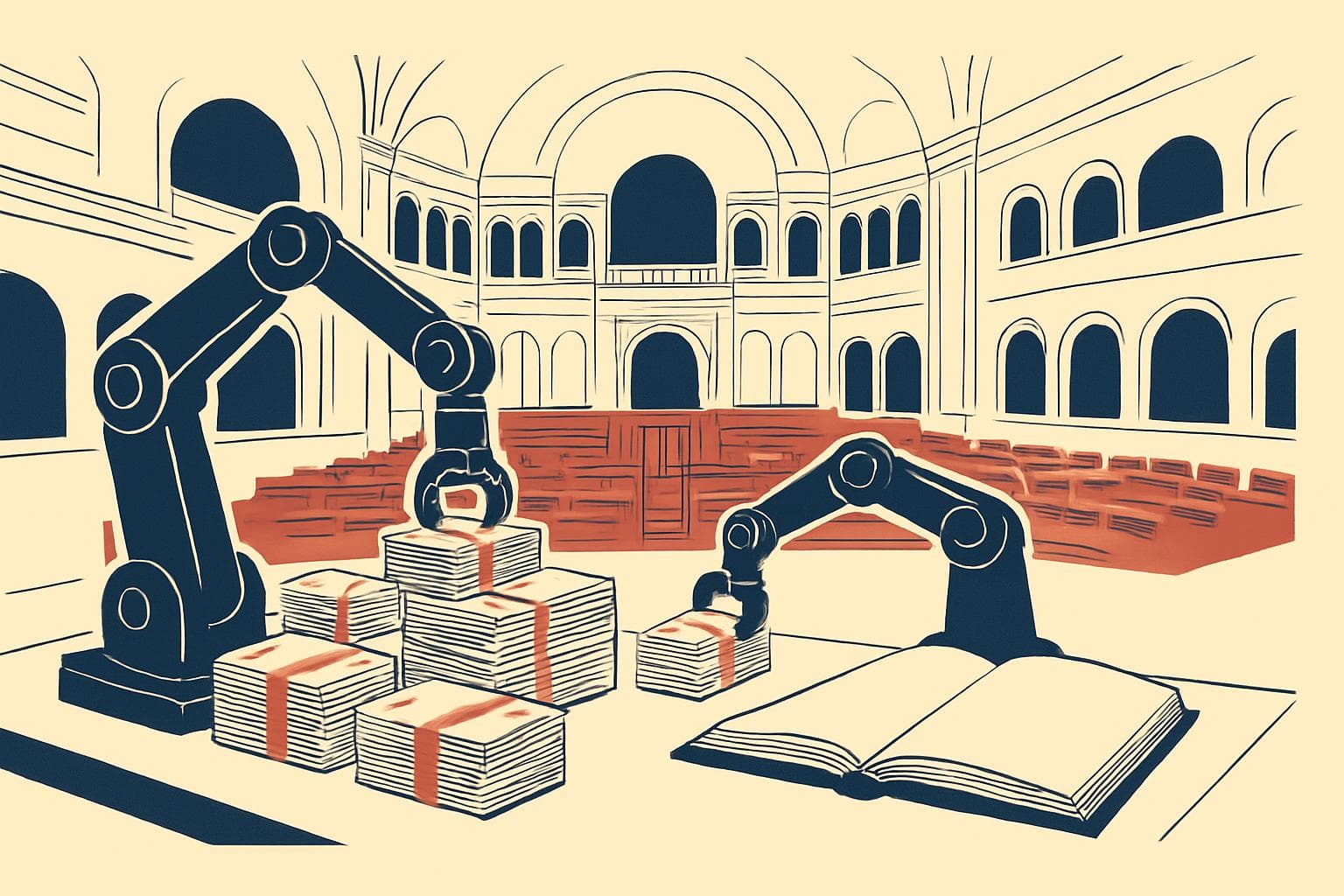
In a connected global economy, companies boost competitiveness by allocating tasks to the parties best suited to perform them — often selecting partners who offer the most favorable cost‑effectiveness. However, working with third parties also introduces risks that can cause significant reputational damage, such as negative publicity or litigation.
Types of third‑party risks
Risks associated with third parties include, among others:
- business continuity risk from a third party’s service outage;
- information security risk when services involve data (compromise of confidentiality, integrity or availability);
- data protection risk, such as breaches affecting personal data; and
- risks arising from infringements of intellectual property.
More mature organisations typically have larger business ecosystems and therefore a higher likelihood of engaging with partners that have lower organisational maturity, increasing exposure.
Why AI is drawing interest from risk professionals
Conversations with risk management teams indicate growing interest in using artificial intelligence (AI) to manage third‑party risks. For many practitioners the question is not whether AI is necessary, but how to apply it effectively.
Continuous risk management demands significant human effort, especially without technological support. With limited resources, teams often rely on snapshots: before contracting they assess a partner’s risk level based on documents provided by the third party and internet searches. To track rapid changes affecting organisations, more effective methods are needed — real‑time, preventive procedures that minimise potential risks.
The surge in data volume and depth, advances in analytics and AI offer support for building more dynamic, up‑to‑date systems. AI can assist a variety of risk management objectives and is already used across numerous sectors to assess risks; a common outcome is that AI algorithms propose preventive actions.
How AI can improve TPRM effectiveness
Many companies have a TPRM (Third‑Party Risk Management) governance framework, yet decentralised software investments and non‑standardised practices can weaken the credibility of TPRM reports and make a single source of truth elusive. By leveraging AI’s analytical capabilities, automating routine processes, standardising data, and using cloud‑based reporting interfaces, organisations can strengthen TPRM effectiveness and ease the adoption of future AI solutions.
Limits and prerequisites for AI adoption
AI can be valuable, but its limitations and prerequisites must be acknowledged:
- costs: implementing and operating AI requires financial resources;
- strategic mindset: AI should become part of business strategy — agility is not the same as ad hoc reaction;
- privacy and ethics: safeguards are necessary to prevent misuse of data;
- data maintenance: AI needs quality data to be fed and maintained;
- augmentation, not replacement: AI complements human intelligence rather than substitutes it;
- skilled personnel: organisations must ensure access to human resources with the expertise to use and develop AI.
Advisory support and further reading
KPMG provides compliance, internal audit, risk management, data analytics and information security advisory services, and its practitioners with cross‑industry experience can support organisations implementing AI‑based risk management for third parties. KPMG’s study “Third party risk management: The road to AI” offers further details on these topics.