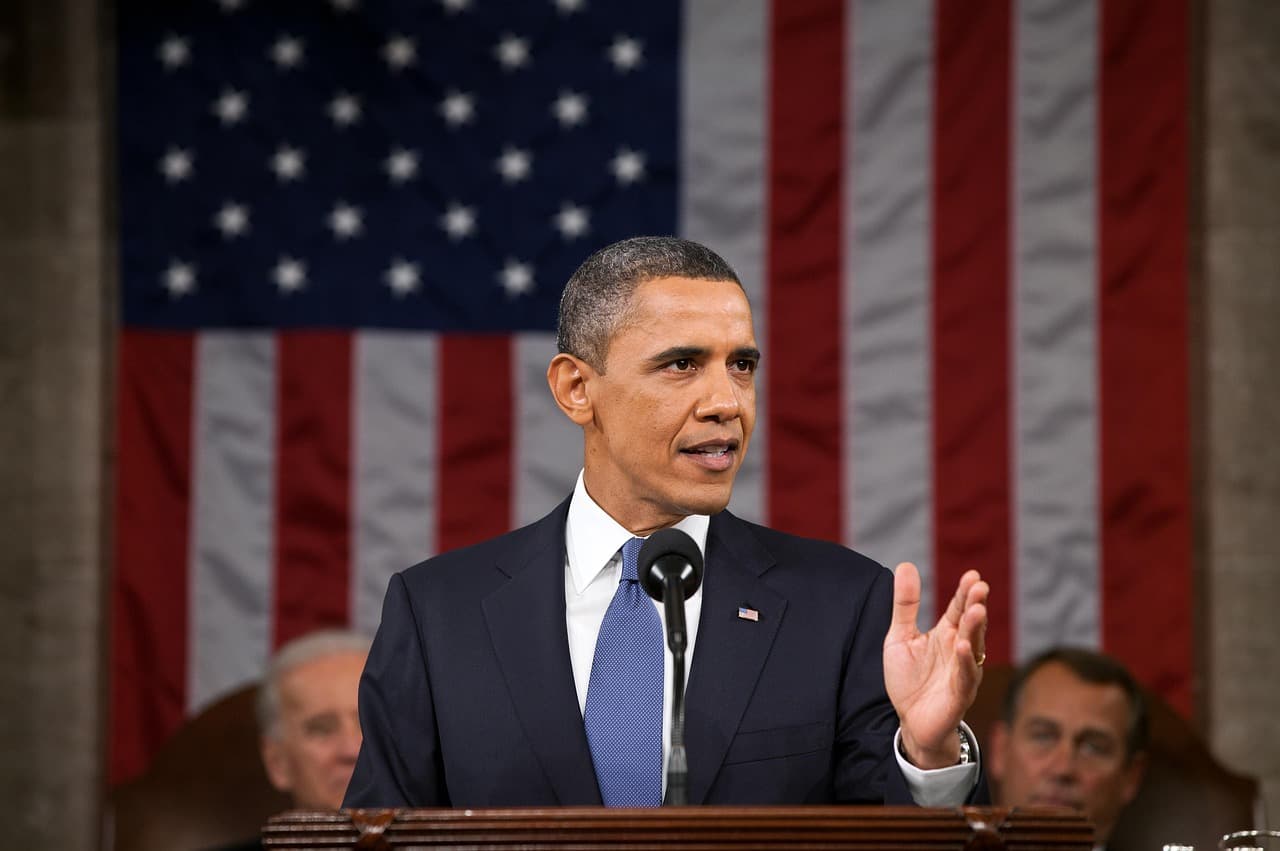
Nvidia CEO Jensen Huang resigned was announced on Thursday after revelations that he had two extramarital affairs: one with an Nvidia employee and another with a woman the U.S. intelligence community considers a Chinese spy. Following the announcement, Nvidia shares initially fell by more than 13 percent before recovering some of the loss. The company did not name a permanent successor; Colette Kress, the company's chief financial officer (CFO), has taken temporary charge.
What's at stake: the $500 billion AI financing plan
Huang's personal profile and Nvidia's industry position enabled the company to sign preliminary understandings with major financial players on a proposed $500 billion financing program centered on AI chips. The structure aimed to use Nvidia's graphics processors (GPUs) and related customer contracts as collateral, securitizing loans through special purpose vehicles (SPVs) in a way analogous to securitization used for real estate or toll roads. The plan envisioned institutional investors and private equity funds financing the construction of data centers and chip fabs.
Financial partners and preliminary agreements
According to the reporting, the preliminary agreements involved large financial firms including Apollo Global Management, BlackRock, Blackstone, Brookfield, Goldman Sachs and KKR. Those agreements remain at an early stage and final contracts have not yet been signed.
Analysts' views: slower deployment and tougher terms, but not an outright withdrawal
Analysts and advisers say Huang's departure could materially affect the program's rollout. Sunaina Sinha Haldea, global head of private equity advisory at Raymond James, said the leadership change gives all parties reason to pause and reconsider terms. Haldea believes capital is unlikely to disappear because the chips and the underlying customer contracts still provide real collateral, but lenders may demand higher returns because of the uncertainty. Charu Chanana, Saxo's lead investment strategist, warned that increased caution on Wall Street could slow capital deployment and tighten loan terms.
Risks: knock-on effects and stricter due diligence
Experts point to knock-on risks: rising debt levels, circular financing and uncertain returns have already been market concerns. After the CEO's exit, lenders are expected to press tougher questions about who ultimately bears the risk in these structures; that intensified scrutiny could spread across the broader AI infrastructure market.
The scale in numbers
The article notes Nvidia's market capitalization at about $4,200 billion, reflecting the company's industry dominance and the role that prominence played in enabling preliminary deals with major asset managers. Nonetheless, the $500 billion financing program remains in preparation; signing final contracts will be decisive for its execution.
Implications for new leadership
Analysts say the best approach for the incoming CEO would be to avoid disrupting existing partnerships in the first months and focus on securing final agreements. Financial partners are likely to be more cautious, which could lengthen negotiations and make financing more expensive, slowing the pace of capital deployment.
Conclusion
Jensen Huang's resignation triggered a sharp market response and calls into question the future of an ambitious $500 billion AI financing initiative. While the presence of major financial partners suggests capital will not automatically vanish, reduced confidence—and the prospect of stricter terms and deeper due diligence—could slow and raise the cost of bringing the program to fruition.
This article was prepared with the assistance of an AI tool; the final content was edited and verified by our journalist.