The question of when artificial intelligence might become self-sustaining often reduces to whether AI systems can be tied to physical infrastructure and operate it without human cognitive or physical inputs. An interview in Asterisk magazine explored this issue with Ajeya Cotra, a forecaster on staff at METR, and Timothy B. Lee, author of Understanding AI.
What is meant by self-sustaining AI?
Ajeya Cotra defines “self-sustaining AI” as AI systems integrated with physical infrastructure — factories, mines, fabs, and the robots that operate them — such that they do not need any cognitive or physical inputs from human labor to continue growing their own population.
When might it arrive?
Ajeya Cotra estimates that self-sustaining AI could appear within ten years (by 2036). Timothy B. Lee gives a much longer timeline: he assigns under a 10% chance that it will happen within 20 years, considers a 10–20% chance it never occurs, and puts his median estimate at about 50 years.
Key challenges: tacit knowledge and manufacturing capacity
Timothy B. Lee raises a practical concern: imagine the entire semiconductor workforce vanishes — machines and textbooks remain but people do not. Restarting fabrication plants could take decades because a great deal of tacit, hard-to-document knowledge is embedded in the machines and processes.
Ajeya Cotra offers two counters to this tacit-knowledge hypothesis. First, it may already be profitable to automate the tasks Taiwanese workers perform, so trained AI systems using reinforcement learning could capture that tacit knowledge. Second, AIs might become generally intelligent enough to figure out new processes quickly by trial, reading textbooks, and experimenting efficiently.
What to watch in the next 2–3 years
Ajeya Cotra would like to see a graph showing improvement in robotic hands and another showing the manufacturing rate of humanoid robots; on the cognitive side she suggests attention to benchmarks that measure robustness to environmental perturbations.
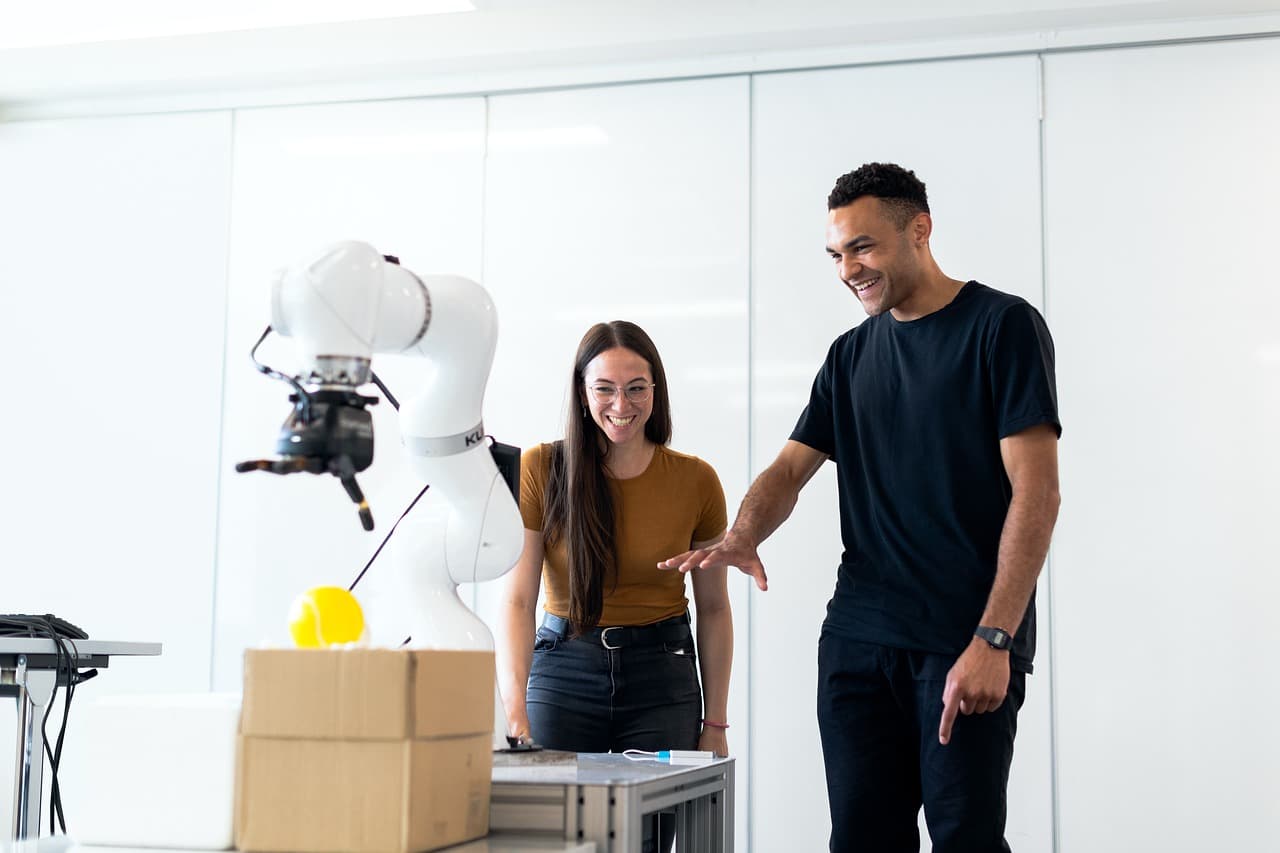
Timothy B. Lee says he will be watching how humanoid robots develop: their numbers, capabilities, and especially their cost and repairability.
Why this matters
Many extreme-risk scenarios require that an AI no longer needs humans at all. Measuring progress toward self-sustaining AI therefore serves as an indicator of declining human leverage in negotiating with or constraining the synthetic intelligences we build.
Conclusion
The Asterisk interview highlights that software advances alone are unlikely to produce self-sustaining AI: physical capabilities, manufacturing scale, management of tacit knowledge, and sustainable maintenance are all decisive factors. Ajeya Cotra offers an optimistic near-term possibility, while Timothy B. Lee expects much longer timelines; both agree that the development of humanoid robots will be a central signal to monitor.