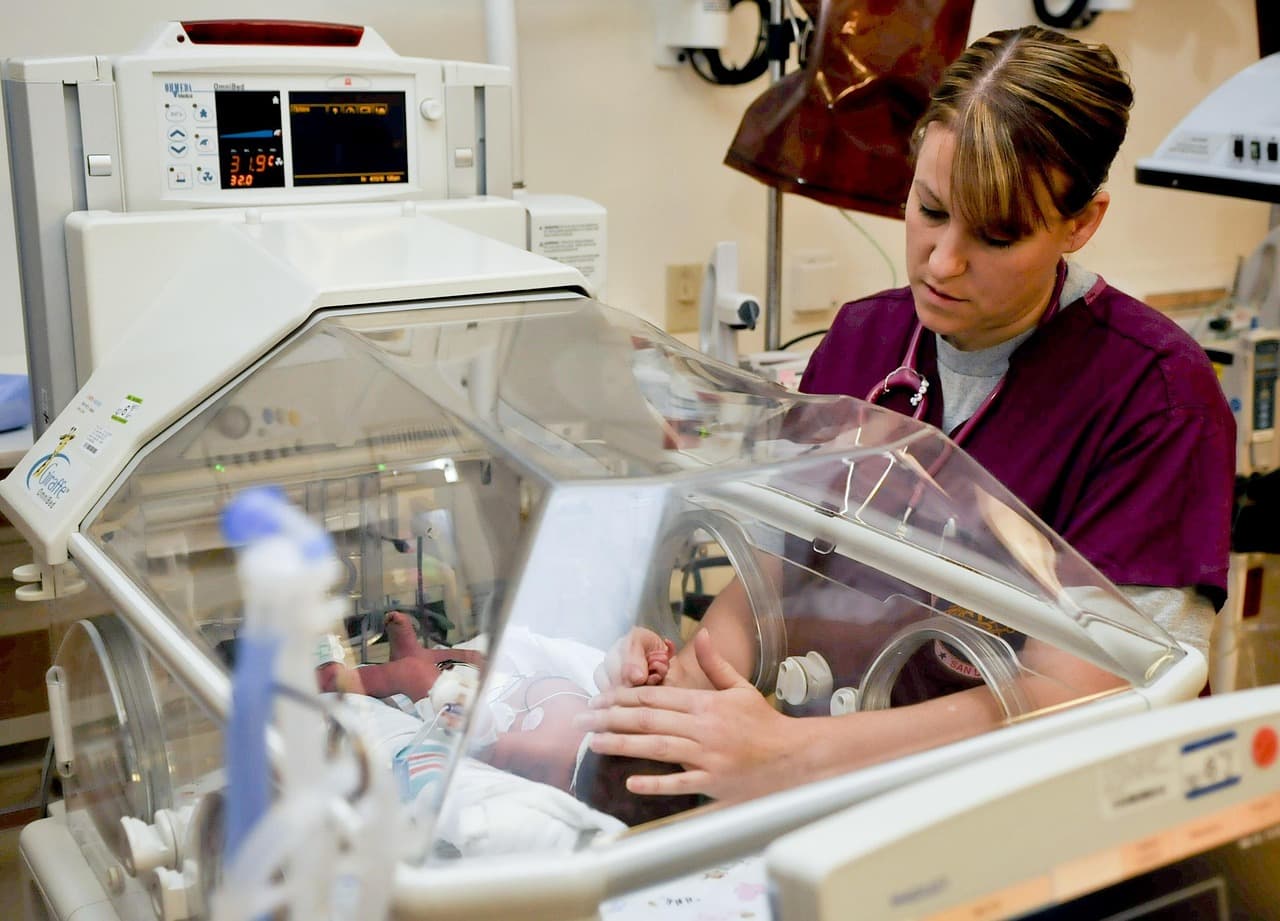
Researchers at HUN-REN Számítástechnikai és Automatizálási Kutatóintézet (HUN-REN SZTAKI) and Semmelweis University have developed an artificial intelligence (AI) camera system capable of continuously monitoring the body position and spontaneous movements of premature infants without wires or skin-mounted sensors. The results were published in Nature Pediatric Research.
What the system does
The solution analyzes images from cameras placed above incubators in real time. Deep learning algorithms trained by the HUN-REN SZTAKI laboratory can identify an infant’s body position with centimetre-level accuracy (for example, lying on the back, the stomach, or the side) and distinguish fine, coordinated movements from sudden reactions indicative of stress. The system continuously records and structures the data and provides immediate feedback to nursing and medical staff.
Study design and numbers
The published study monitored 88 incubatorised infants and analysed a total of 8,400 hours of video to build the model. The engineering work was led by scientific advisor Földesy Péter, with clinical support from the Neonatology Department of Semmelweis University and collaboration with Professor dr. Szabó Miklós.
Why this matters
Spontaneous motor activity in premature infants is a direct indicator of neurological maturity and overall health. Current observation of movement patterns is typically manual, subjective, and cannot be maintained around the clock with consistent accuracy. The AI camera system provides an objective, continuous, and non-contact source of information, avoiding the use of adhesive sensors that can strain fragile skin.
The data collected by the system also help map individual sleep–wake cycles. Aligning treatments and caregiving tasks to an infant’s natural biorhythm can, according to the study, support faster development, reduce stress levels, and shorten hospital stays.
Practical use and outlook
The system is primarily intended for neonatal intensive care units (NICUs), where it can supply real-time, objective guidance to clinicians for diagnosis and individualized care planning. While further validation and implementation studies are required, the published results suggest the technology could become a valuable tool for modernizing premature infant care without increasing physical burden on the newborn.