This year Hungary shows several encouraging indicators: EU funds have been released, the forint has strengthened, and discussions about euro adoption have resumed. That combination has produced unusually strong optimism about the near term. However, medium- and long-term prospects are far less reassuring: Hungary remains not only one of the EU’s poorer members but also among its most vulnerable economies.
Threats from technological and structural change
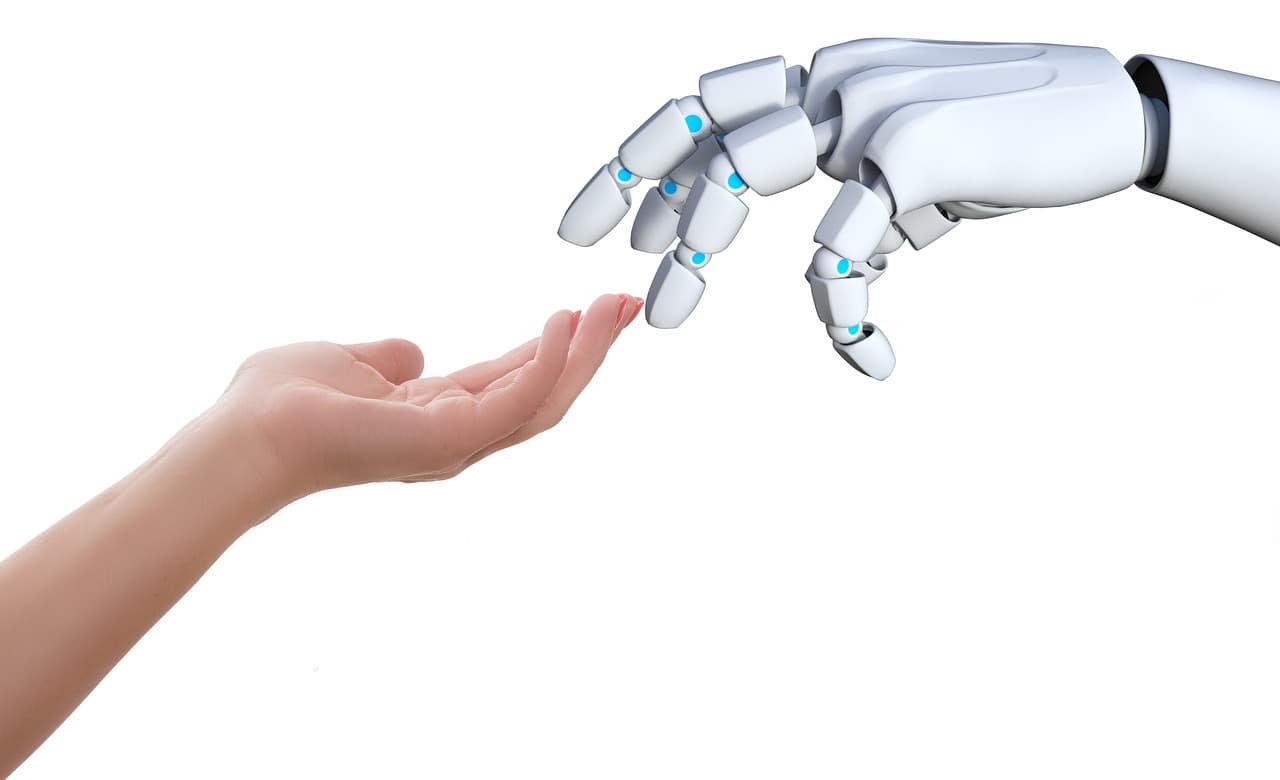
Automation and advances in manufacturing technology are reducing employment in industry, while the rapid progress of artificial intelligence (AI) threatens jobs in the service sector. Many of Hungary’s service centres specialise in lower value-added activities, which makes them especially exposed to AI-driven solutions that can replace human labour.
Impact of Germany’s economic slowdown
Since the 1990s Hungary’s economy has been tightly integrated into German industrial supply chains; therefore, the decline and market erosion of German industry directly affects Hungarian exports and investment. Chinese competitors—strong on technology and on price-to-performance—are advancing both inside and outside China, adding pressure on German producers and, through them, on Hungary’s manufacturing base.
The double-edged nature of Asian investment
The eastward opening and large Asian investments have supported this year’s growth by bringing major projects to Hungary. At the same time many of these investments involve low value-added activities and have generated environmental concerns. The article argues that investor management must combine legal compliance and environmental and community protection with maintaining Hungary’s attractiveness to foreign capital.
Government responsibility and the need for a strategy shift
The author holds the Orbán government largely responsible for pursuing a model that positions Hungary as a low-cost manufacturing and service base—an approach that may be outdated in the face of global technological change. Any new government must confront economic realities, craft pragmatic regulation that protects domestic workers, and preserve the country’s investment appeal.
Education, labour market and corporate structure
Building a knowledge economy is the correct long-term objective, but education reform works on decade-long timescales. Hungary lags the EU in foreign-language skills, and the domestic SME sector struggles to join global value chains without foreign investment. In advanced countries, lower-value, less attractive jobs are often filled by guest workers; determining the extent and form of such labour in declining-population Hungary should be guided by market mechanisms within a regulatory framework that prioritises Hungarian workers and protects market wage levels.
Practical priorities now
The piece stresses realism: the question is not only what an ideal economy would look like, but what Hungary can realistically build now and in the medium term. The country must preserve its existing advantages while adopting transparent, rule-based investment governance and environmental safeguards. That approach can buy time for Hungary to find better answers to technological and geopolitical change and to transition toward a more competitive strategic direction in a new global order.