Investment tied to artificial intelligence (AI) and the construction of data centers is increasingly moving traditional industrial stocks in step with semiconductor makers on U.S. exchanges. Bloomberg reports that the 45‑day correlation between the S&P 500 industrial sector and the Philadelphia Stock Exchange Semiconductor Index has risen to 0.75, signaling that these two differently composed groups of stocks are now largely moving together.
The link was especially apparent earlier in the week, when gains in chipmakers such as Qualcomm and Micron coincided with rising shares of Vertiv, a maker of electrical equipment and data‑center infrastructure. The connection reflects the role industrial firms play in building and operating chip‑dense data centers: construction, cooling, power delivery and backup systems all require industrial equipment.
Why this matters for markets
AI‑driven demand means that AI is shaping not only financial markets but also the real economy. That close coupling raises market risk: if AI investment slows, both semiconductor producers and the industrial suppliers that serve data centers could be hit simultaneously, amplifying volatility. Nvidia’s upcoming earnings report is being watched closely not only by technology investors but also by shareholders in industrial companies for this reason.
Neil Dutta, head of economic research at Renaissance Macro Research, says there are about 15 non‑tech companies, with a combined market capitalization of roughly $2 trillion, whose stock prices are driven by AI spending. Examples include Vertiv, Eaton and engine maker Cummins.
Concrete price moves
Examples of how this trend shows up in stock performance include:
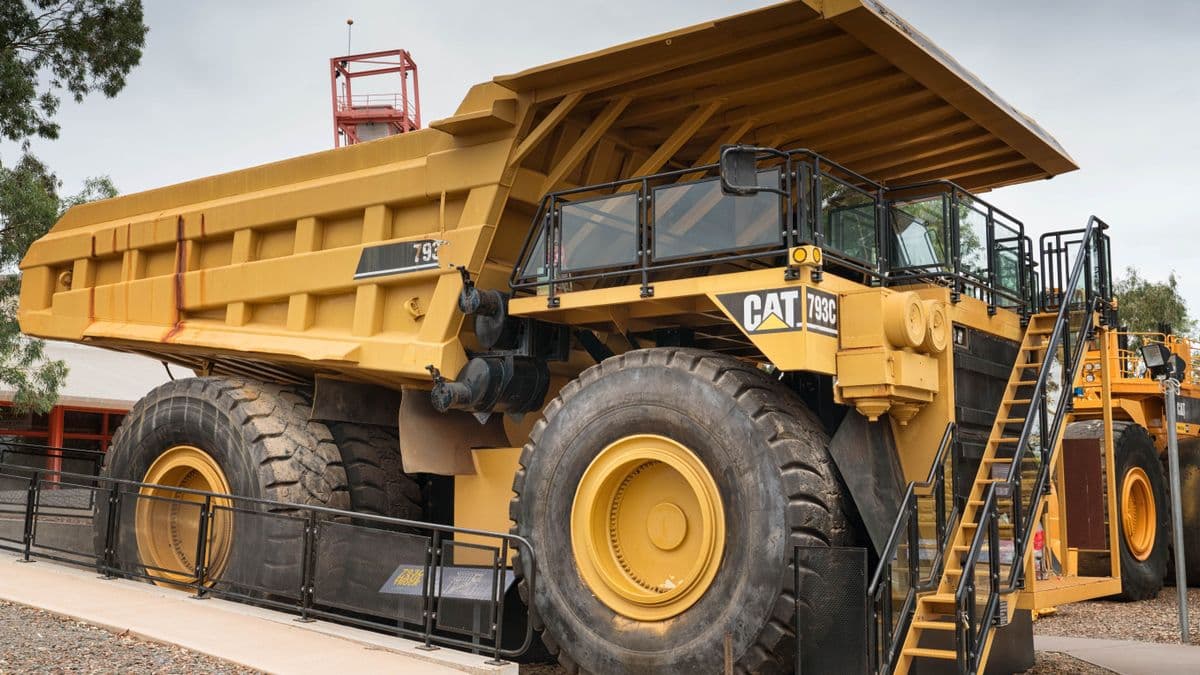
- Caterpillar shares have risen by more than 150% over the past year.
- Vertiv’s stock has climbed by more than 230%.
- GE Vernova’s shares have increased roughly 2.5‑fold.
Part of these gains reflects earnings that beat expectations: before the earnings season the industrial sector was forecast to grow about 3%, but reported results ended up nearer to 20%.
Risks and historical parallels
While many industrial firms look expensive by valuation metrics, the outsized earnings explain some of the premium and make it unclear whether a classic bubble exists. Still, history offers cautionary examples — from railroads to the fiber‑optic boom — where exuberant expectations led to overinvestment and later underutilized capacity.
If AI spending follows a similar pattern of overheating and retrenchment, the current industrial upswing could prove short‑lived and leave broader markets more vulnerable. For investors and regulators, monitoring the sustainability of data‑center demand and the capacity being built to serve it will be crucial.
Conclusion
AI‑led data‑center construction has tied semiconductor and traditional industrial shares together, delivering strong near‑term returns but concentrating market risk. A slowdown in AI investment would likely affect both sectors at once and could transmit weaknesses into the real economy.