As investors chased opportunities related to artificial intelligence, their focus has shifted through different parts of the technology stack. Initially they backed the companies behind the models — notably OpenAI — then moved into the chips and compute providers such as Nvidia and CoreWeave. After that the physical infrastructure that houses computation — data center stocks — drew money in, transforming some utility-style businesses into AI plays and pushing metal prices higher.
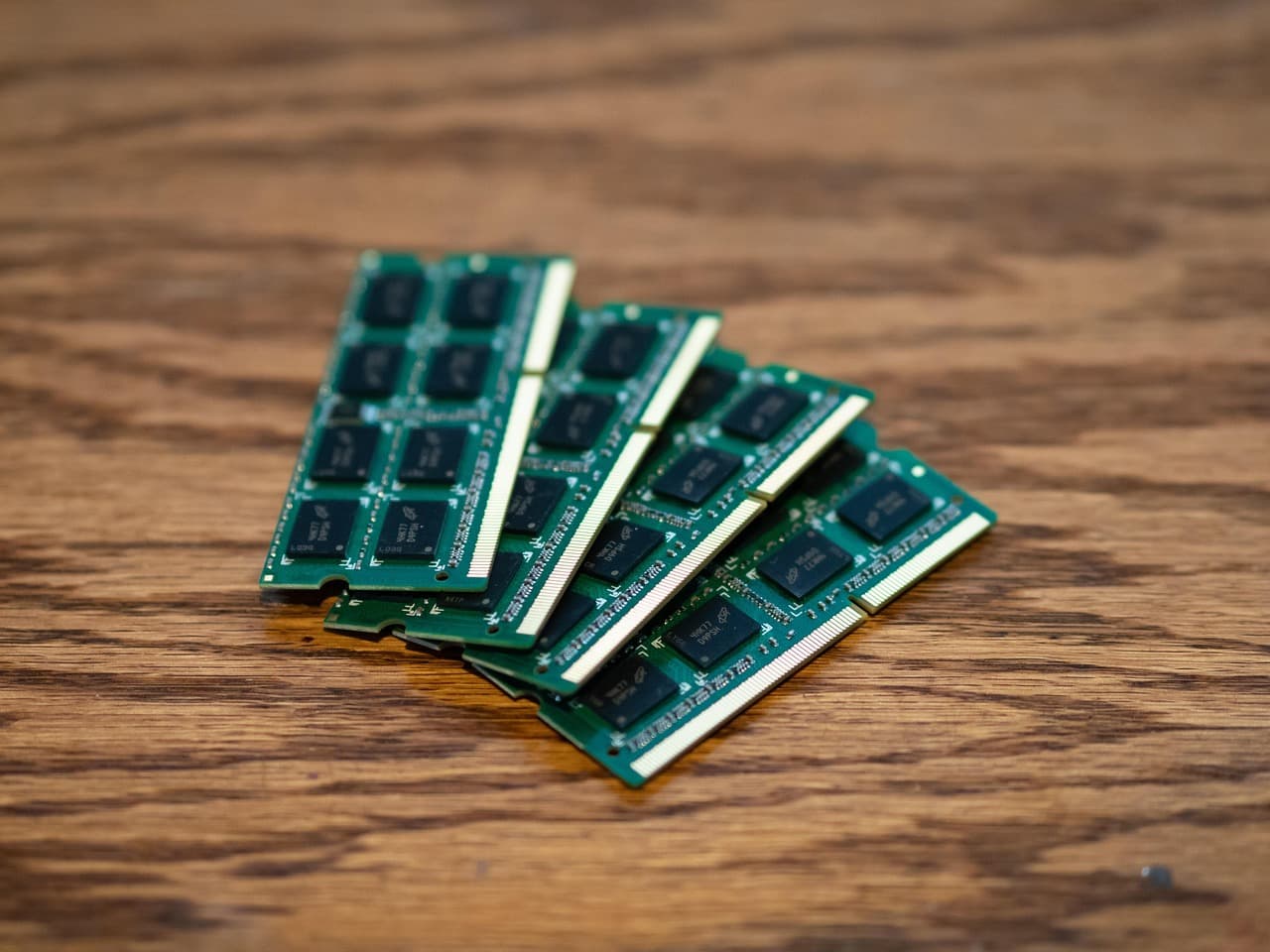
The current focal point is memory, a relatively unglamorous but essential input. The article notes memory scarcity has been acute enough that Apple — a company with significant supply-chain leverage — raised prices on iPads and MacBooks. iPhones were not raised for now, though Apple CEO Tim Cook has suggested that could change.
SK Hynix listing and recent stock moves
A key near-term test for this trade is the planned US listing of SK Hynix, South Korea’s second-largest memory chipmaker, which aims to raise $28 billion. SK Hynix’s shares listed in Korea have more than tripled this year, in part tracking a sharp rise in Micron Technology’s stock; Micron is the only large U.S. memory chip manufacturer.
Signs of a pullback have emerged: Micron is down about 15% from its peak last month, and Samsung’s stock fell about 11% after earnings that fell short of heightened expectations.
Mike Wilson, chief investment officer at Morgan Stanley, told Semafor that the memory-focused trade is undergoing a reset: “That momentum always reaches a point where it kind of exhausts itself, and that’s where we are today.”
Why this matters
Memory is a foundational component of the compute stack: shortages affect not only chipmakers’ revenues and stock prices but can also translate into higher consumer electronics prices and constrain cloud and AI infrastructure growth. The SK Hynix offering and recent volatility among major memory suppliers are therefore important indicators for the next phase of AI-related investment.
In short, investors have rotated through models, compute, and infrastructure and are now focused on memory — but recent market moves suggest this trade may be entering a corrective phase.