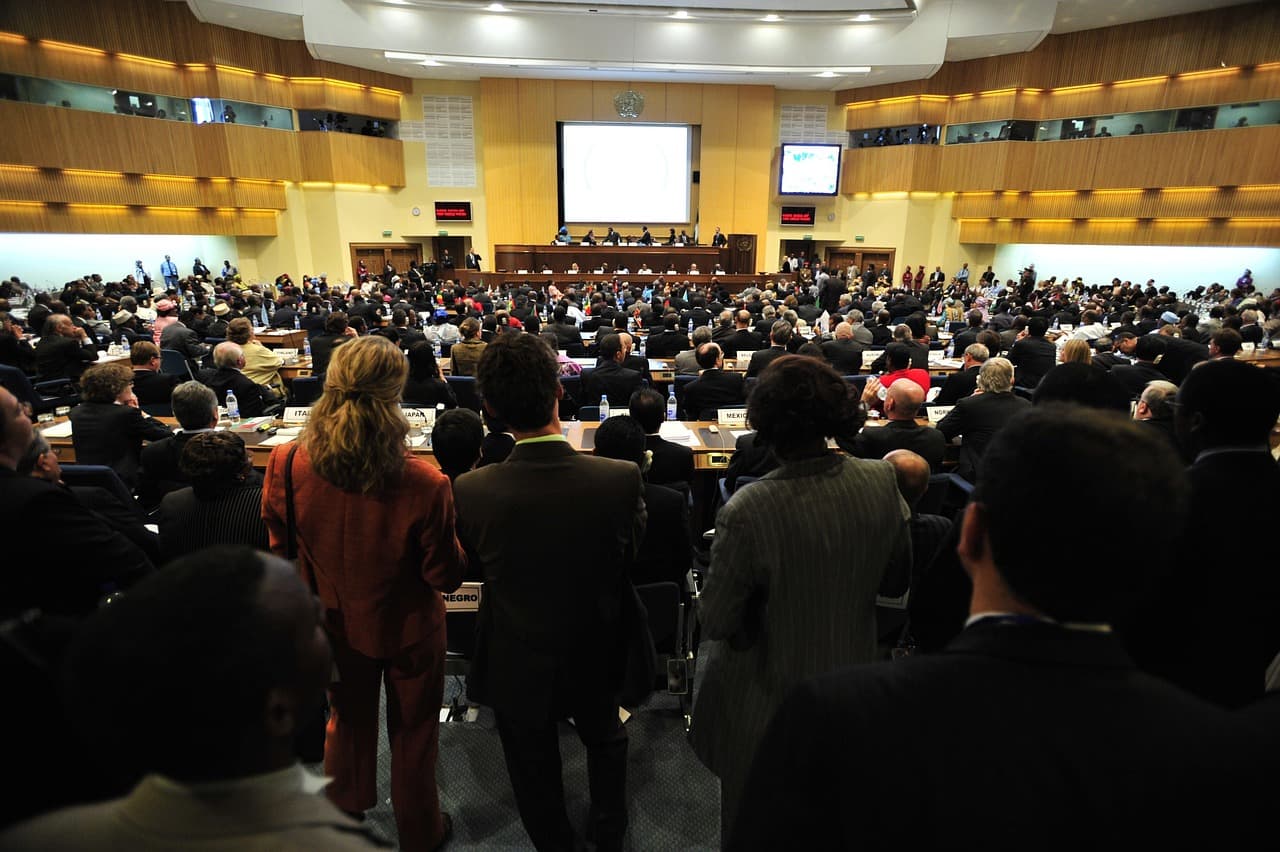
Jensen Huang, chief executive officer of Nvidia, told attendees at the Dreamforce conference in San Francisco that new laws or regulations are not needed to slow AI development. "We do not need new laws or regulations. We need companies to decide, because framing it as a choice between innovation, speed and safe products is a false dilemma," Huang said at the event, according to BBC coverage.
Huang argued that companies developing artificial intelligence should be entrusted to assess the safety of their products and to determine whether to release them commercially. He stressed that development should proceed as quickly as possible, but that teams should "pause for a moment" if they ever feel they have lost control.
Context: calls to slow development and rising concerns
Huang’s remarks come amid renewed concern after recent reports about runaway AI agents and alarming attacks, which have increased calls for stricter AI regulation. Dario Amodei, chief executive officer of Anthropic, recently urged companies in the AI field to slow the pace of improving model capabilities. That appeal has been publicly supported by Elon Musk, chief executive officer of SpaceX, and Sam Altman, chief executive officer of OpenAI.
Huang has publicly opposed the idea of a slowdown. He reiterated his view earlier on Monday on the All-In podcast, during which Donald Trump called him; Huang put the call on speaker so that podcast listeners could hear the conversation. During the call, Trump characterized those advocating a slowdown—naming Amodei, Musk and Altman—as representatives of "a scam," and said he did not want the best AI models to be developed outside the United States. Trump also suggested that calls to slow development might be supported by foreign actors, such as China. Huang confirmed in the discussion that he believes development should not be slowed.
Why this matters
The exchange highlights a clear division within the industry over whether rapid innovation or external constraints are the better way to manage AI risks. Huang’s position places responsibility on companies to self-assess and make go/no-go decisions, while other leaders and researchers argue for stronger external regulation or voluntary pauses to mitigate potential harms.
The debate continues to shape public discourse as technological and political stakeholders respond to new developments and perceived risks.