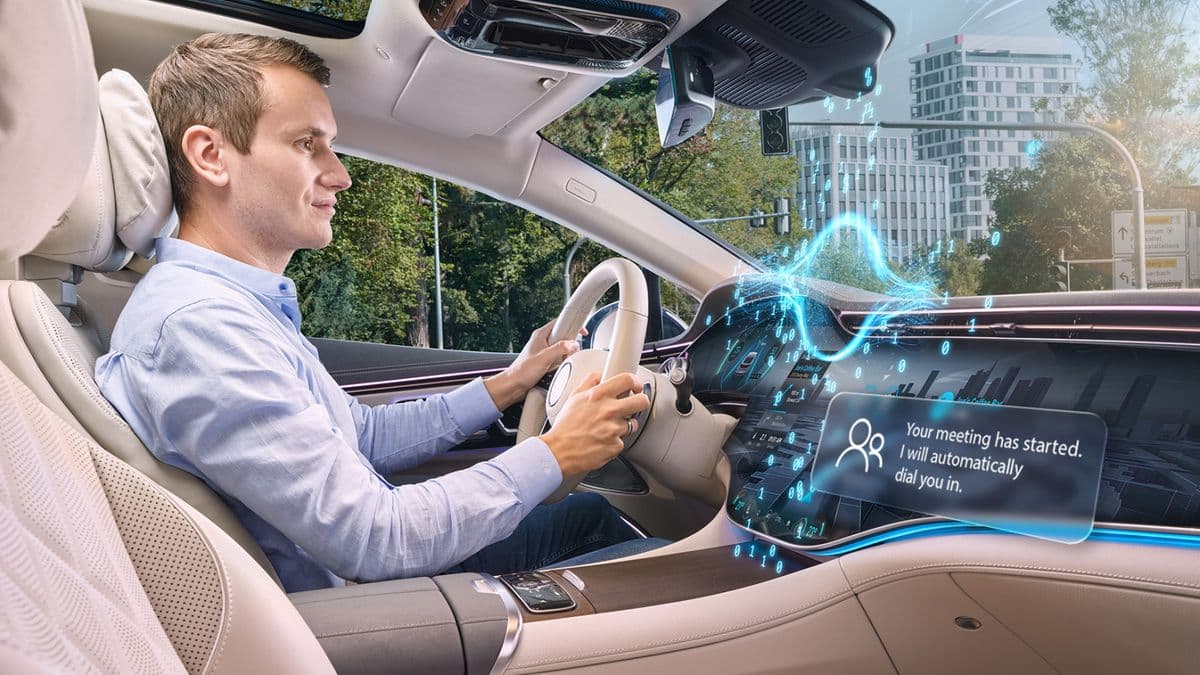
At the AI Symposium 2026 held in Budapest, Bosch outlined its artificial-intelligence (AI) developments for autonomous vehicles and industrial automation. A focal point of the presentations was interior sensing — systems that let vehicles monitor not only their external surroundings but also the cabin and the condition of occupants.
Why this matters now
The European Union's General Safety Regulation (GSR) has required fatigue-detection systems in new cars since 2024; from July 2026, vehicles will also be required to include systems that detect driver attention and events inside the cabin. Szászi István, head of the Bosch Group in Hungary and the Adria region, said at the event that Bosch has filed more than 2,000 AI-related patents internationally and plans to invest over 2.5 billion euros globally in AI by 2027.
What Bosch showcased
Bosch combines cabin cameras and in-cabin radar to provide real-time data to AI-based safety functions. Key features presented include:
- Vital-sign monitoring: the system estimates heart rate and respiration to detect early signs of health problems; in critical situations the vehicle can be brought to a safe stop.
- Attention and hand-position monitoring: systems detect whether the driver keeps hands on the wheel and warn about distraction or drowsiness.
- 3D posture detection: monitors passenger posture — for example if someone places a foot on the dashboard or their head is too close to an airbag — and adjusts airbag deployment accordingly.
- Child detection: sensors can detect children left in the vehicle who might be difficult to notice from outside.
Oliver Lange, head of interior sensing at Bosch Research, emphasized that cabin sensing not only increases safety but also paves the way for further advances in automated driving.
AI in the car: interventions and prevention
Bosch’s solutions do more than issue warnings: they can intervene automatically when necessary. If vital signs indicate a problem or the driver becomes incapacitated, the system can alert and, in a critical scenario, safely stop the vehicle. Combining sensitive sensors with AI also enables finer-grained decisions, such as tailoring airbag deployment to passengers’ height and weight.
AI in manufacturing and product development
Bosch applies AI across almost every phase of production. Speakers at the symposium gave examples including the development of complex vehicle MEMS sensors, automated soldering quality inspection in industrial production, and AI-based investigation of puzzling phenomena such as annoying rattles, vibrations and friction in components (for example in airbag electronics). Identifying hidden causes with AI helps eliminate defects before mass production.
GraphRAG: an AI corporate knowledge hub
The GraphRAG technology developed jointly by Bosch and SZTAKI functions as an AI-based enterprise knowledge center usable across Bosch domains including R&D, engineering and quality assurance. The model finds accurate answers in large volumes of unstructured data — for example PDFs and reports — accelerating problem solving for engineers and researchers and easing onboarding of new staff into ongoing projects.
Summary
Bosch’s interior sensing solutions aim to meet tightening EU safety requirements while enhancing in-cabin safety by monitoring drivers and passengers. At the same time, the company is expanding AI use in development and manufacturing to improve product quality and operational efficiency.