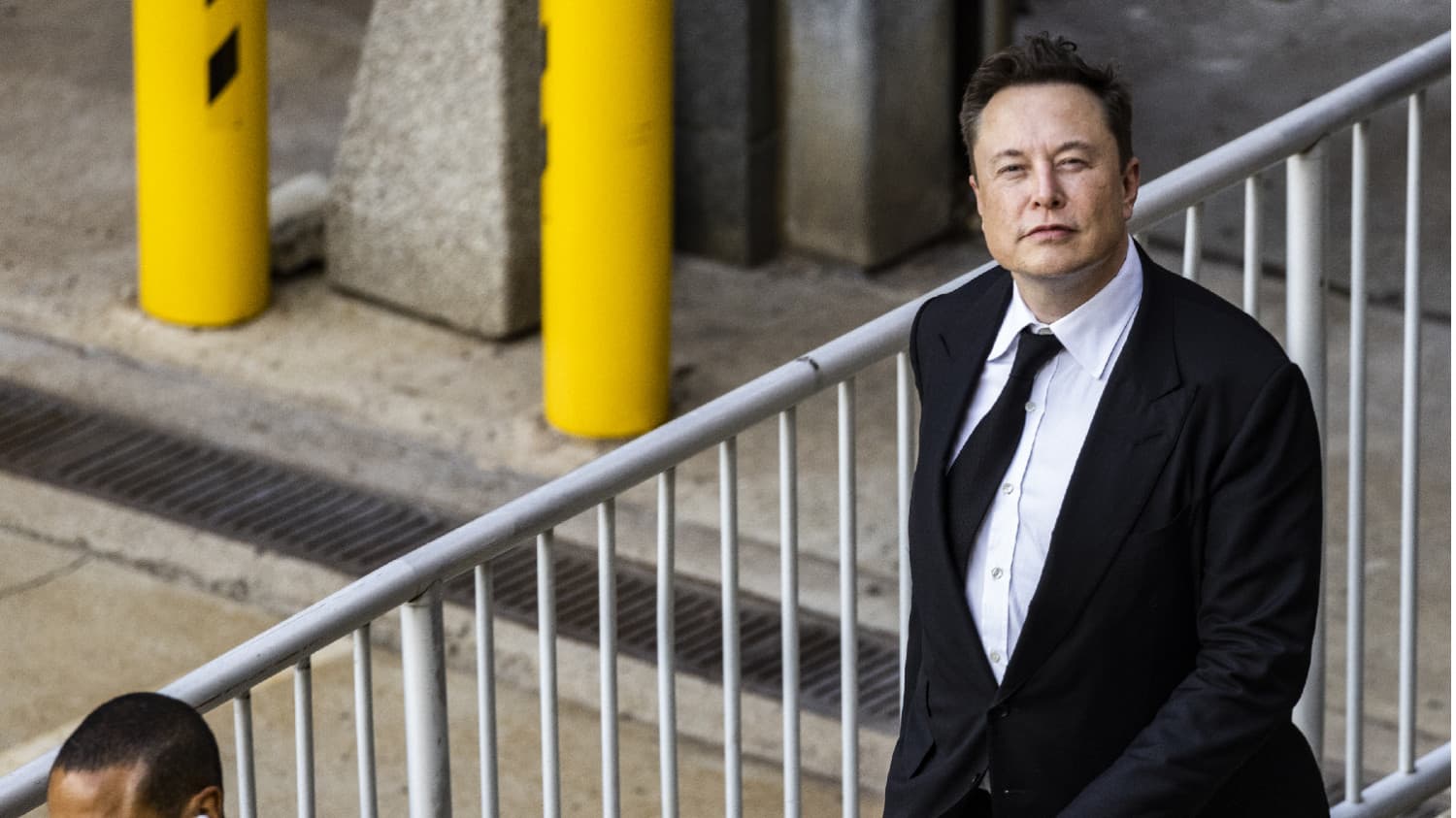
A jury on Monday found that OpenAI is not liable in the lawsuit brought by Elon Musk. The trial began on April 28 and the verdict followed eleven days of testimony and legal argument.
What the Lawsuit Alleged
Elon Musk accused OpenAI of straying from its original nonprofit mission to benefit humanity and of unlawfully enriching investors and insiders at the expense of the organization. He also alleged that OpenAI neglected AI safety, and pointed to information indicating that Microsoft’s involvement reflected a profit-driven focus from the start.
OpenAI countered that Musk himself recognized business opportunities in the technology and argued that he waited an unreasonably long time before filing a claim alleging breaches of the founders’ agreement.
Key Issues at Trial
The proceedings repeatedly questioned the credibility of both parties. Central issues included how AI is used, how benefits from the technology should be distributed, and tensions between safety priorities and profit motives. Observers viewed the case as significant not only for OpenAI but for the broader future of artificial intelligence.
Business Stakes
The case had substantial commercial implications: according to testimony from a Microsoft executive, the company has invested more than $100 billion in its partnership with OpenAI. At the time of the trial OpenAI was preparing for an initial public offering, with a potential company valuation reportedly reaching up to $1 trillion.
Separately, Elon Musk’s xAI artificial intelligence company has been folded into SpaceX, and that business also plans a stock market listing, possibly at a scale comparable to or exceeding the planned OpenAI offering.
Why the Decision Matters
The lawsuit highlighted tensions between technology founders and companies over the direction of AI development, the balance between nonprofit goals and commercial incentives, and the role of major tech partners in funding. The jury’s decision absolves OpenAI of liability in this suit for now, but the underlying debates about ethics, safety, and profit in AI remain unresolved.