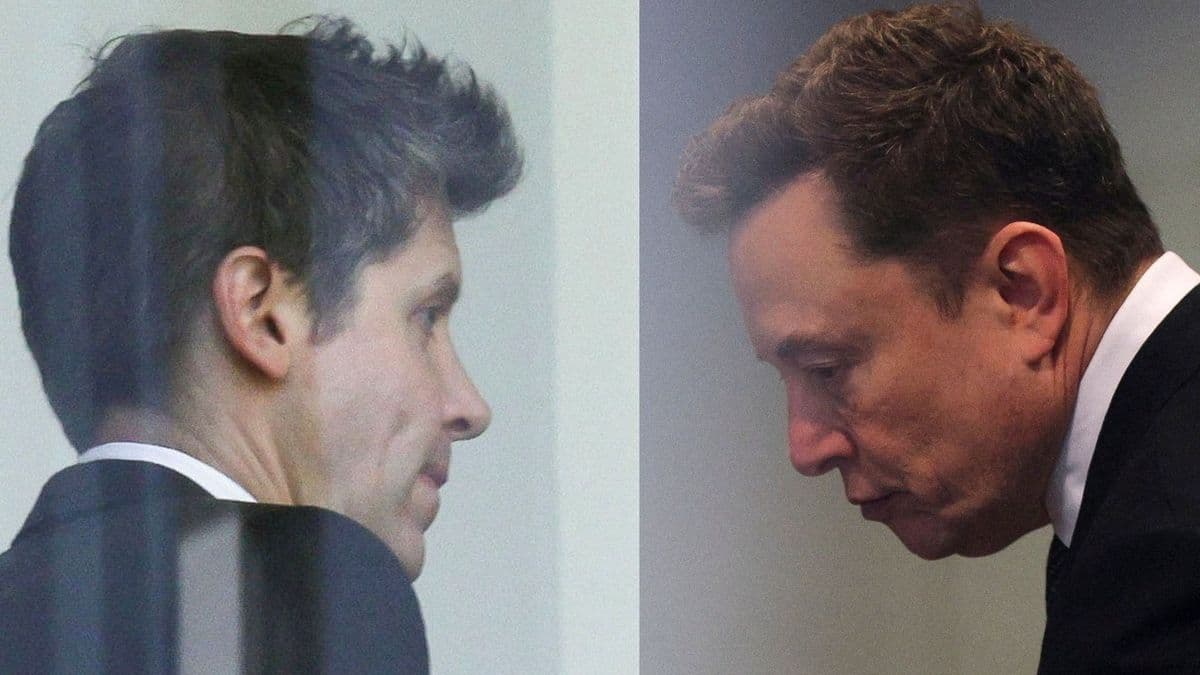
OpenAI achieved a legal victory against Elon Musk after a U.S. jury ruled in the artificial intelligence startup’s favor. The jury did not conclusively find that OpenAI did not breach a contract with Musk; rather, it determined that Musk waited too long to initiate the lawsuit, effectively raising statute-of-limitations issues.
What the jury and judge said
The jury’s decision focused on the timing of Musk’s legal action rather than making a definitive finding on contract breach. Judge Yvonne Gonzalez Rogers noted that the question of whether the statute of limitations had run is a factual matter, a point that complicates Musk’s prospects if he seeks to continue the case on appeal.
Credibility issues at the top
During the trial, multiple testimonies cast doubt on the credibility of Sam Altman, OpenAI’s chief executive. Altman had been briefly removed from the board of the then-nonprofit OpenAI at the end of 2023 amid concerns that he had not been fully candid. Musk alleged at trial that Altman and Greg Brockman, OpenAI’s president, used the startup to enrich themselves.
Allegations and background
Musk accused Altman and Brockman of manipulative conduct that induced him to invest $38 million in OpenAI when it was still structured as a nonprofit, and of later forming a connected for-profit entity behind his back. OpenAI was founded in 2015 by Sam Altman, Elon Musk and Greg Brockman. Musk left the organization’s board in 2018, and the for-profit arm was created in 2019 while still under the nonprofit umbrella. Later investments came from Microsoft and others.
Microsoft was also pulled into the case as an alleged aider; in testimony a Microsoft executive said the company invested more than $100 billion into the collaboration with OpenAI. Microsoft welcomed the jury’s verdict.
Consequences: IPO prospects and competition
According to Reuters, the jury’s finding could clear a path for an OpenAI initial public offering, a significant development for a capital-hungry company. At the same time, the trial and the credibility questions it surfaced have caused reputational damage for the company’s leadership.
Elon Musk has meanwhile founded xAI, an artificial intelligence company that today operates as part of SpaceX — itself preparing for a potential public offering — and competes with OpenAI. The jury found Musk’s 2024 lawsuit to have been filed too late, contributing to the outcome.
What comes next?
Musk has said he will appeal and reiterated his allegations against Altman and Greg Brockman. Given the judge’s characterization of the statute-of-limitations issue as a factual dispute and the jury’s decision, continuing the legal fight will be legally and practically challenging. The verdict may remove a legal obstacle to an OpenAI IPO, but debate over the leadership’s trustworthiness remains unresolved.