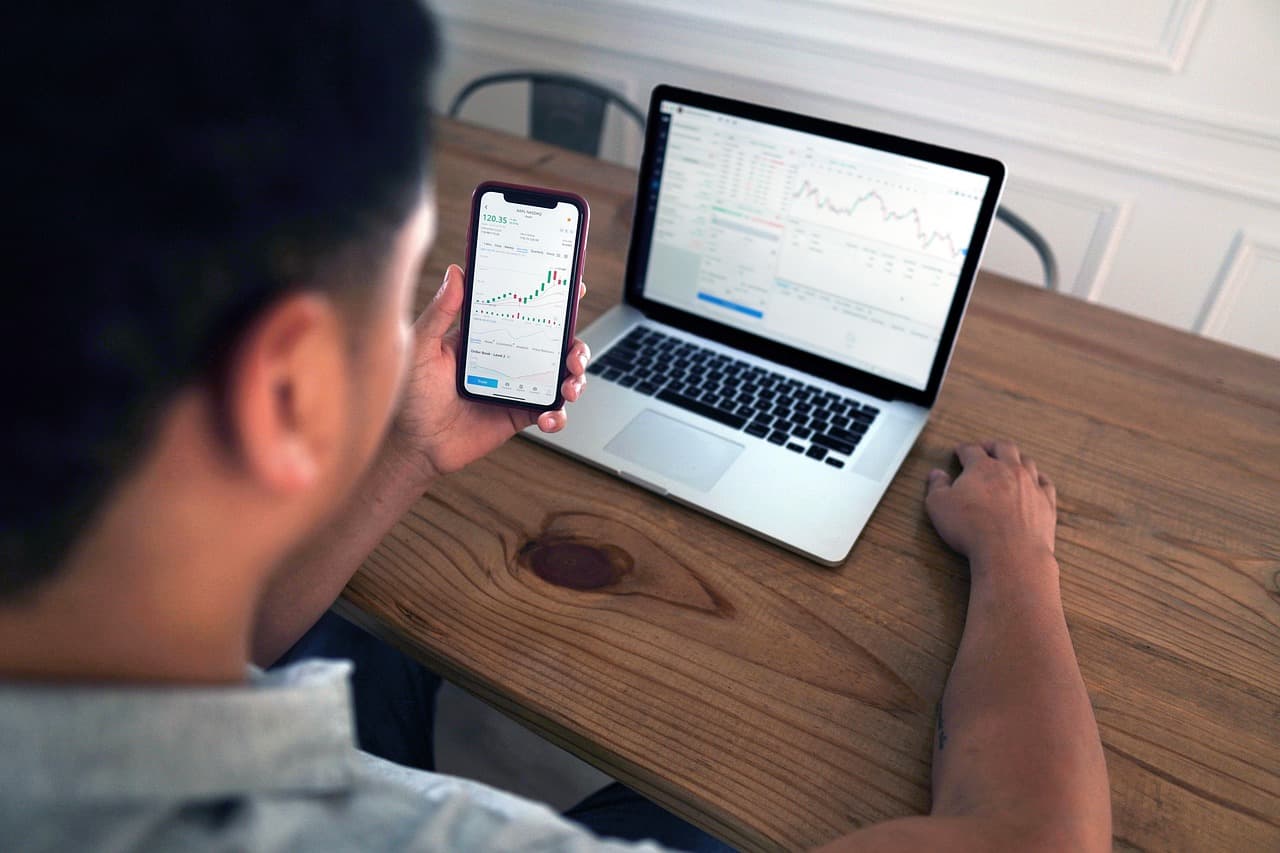
What used to be a peripheral market for many global investors has become a routine morning check for overseas and European fund managers. South Korea’s stock market, with an approximate size of $4 trillion, now provides an early read on investor risk appetite because price movements at Samsung Electronics and SK Hynix influence the broader global semiconductor sector. Both companies are leading manufacturers of memory chips critical to artificial intelligence development.
Stronger alignment with major tech benchmarks
According to Bloomberg, the 60‑day correlation between the Kospi and the Nasdaq‑100 rose to 0.46, a level close to a two‑year high. That number is nearly three times the five‑year average of 0.16, indicating that the Korean market’s movements have become more synchronized with global technology stocks.
High volatility amplified by leverage
At the same time, the Korean market has emerged as one of the world’s most volatile exchanges. Significant leveraged trading has amplified price swings: for example, concerns last week about future demand for AI chips caused the Kospi to drop by nearly 9 percent, and that weakness partly spilled over to Wall Street.
Year‑to‑date gains despite recent losses
Although the Kospi has fallen about 25 percent from its June peak — representing roughly $1 trillion in market value lost — the index remains strong on an annual basis. It is up 62 percent year‑on‑year, making it one of the best‑performing markets globally (ErsteMarket).
Why this matters
Movements in Samsung Electronics and SK Hynix matter beyond Korea because memory chips are a key input for AI applications and data centers. Large swings in these stocks can quickly reverberate through the international semiconductor industry and tech indexes. As a result, South Korea’s market now serves as an early barometer of global investor risk appetite.