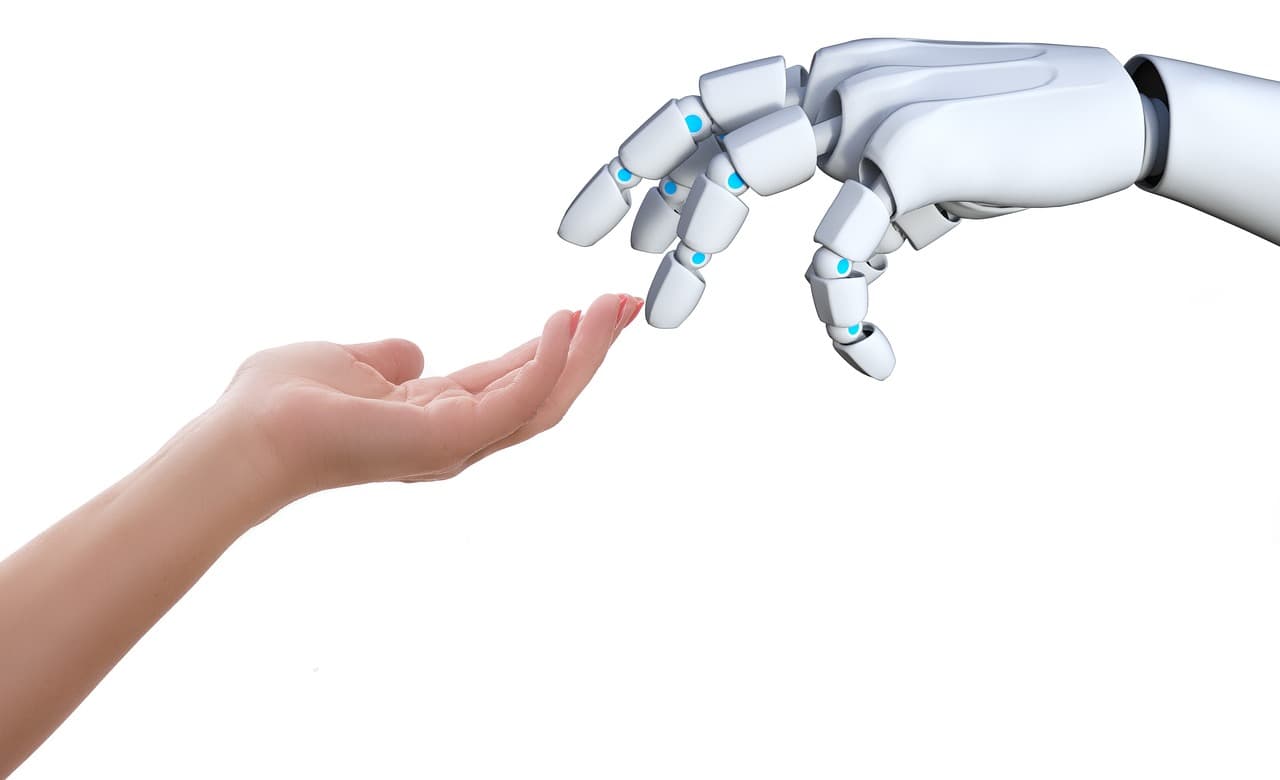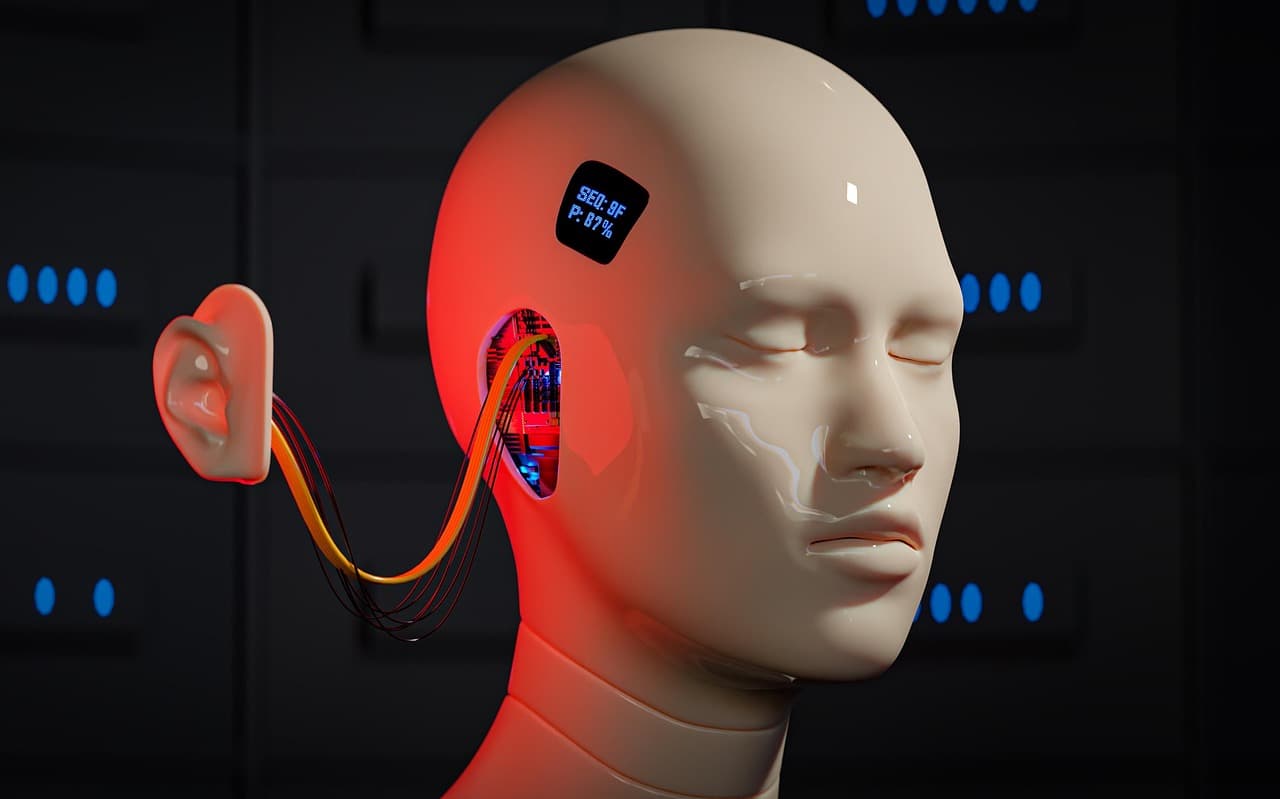
Artificial intelligence (AI) is increasingly affecting photography and visual content production: AI-generated images appear in advertising, on social media and across commercial platforms. Photographer Emmer László recently argued that while AI-created images can be artistic, they are not the same as photography, because traditional photographs are anchored in an actual moment, a real subject and a human relationship.
What changes in the profession?
Photography has already undergone major technological shifts: the film era gave way to digital photography, which changed techniques, work pace and business models. Emmer believes generative AI may represent an even greater turning point, because it does not merely alter existing images but can produce scenes that never existed in reality. This is especially consequential in areas that do not require a distinct human personality: cars, products, locations or generic characters for commercial work can be created with AI, potentially eliminating model casting, set building or parts of a crew and significantly reducing costs.
Portraiture preserves a human dimension
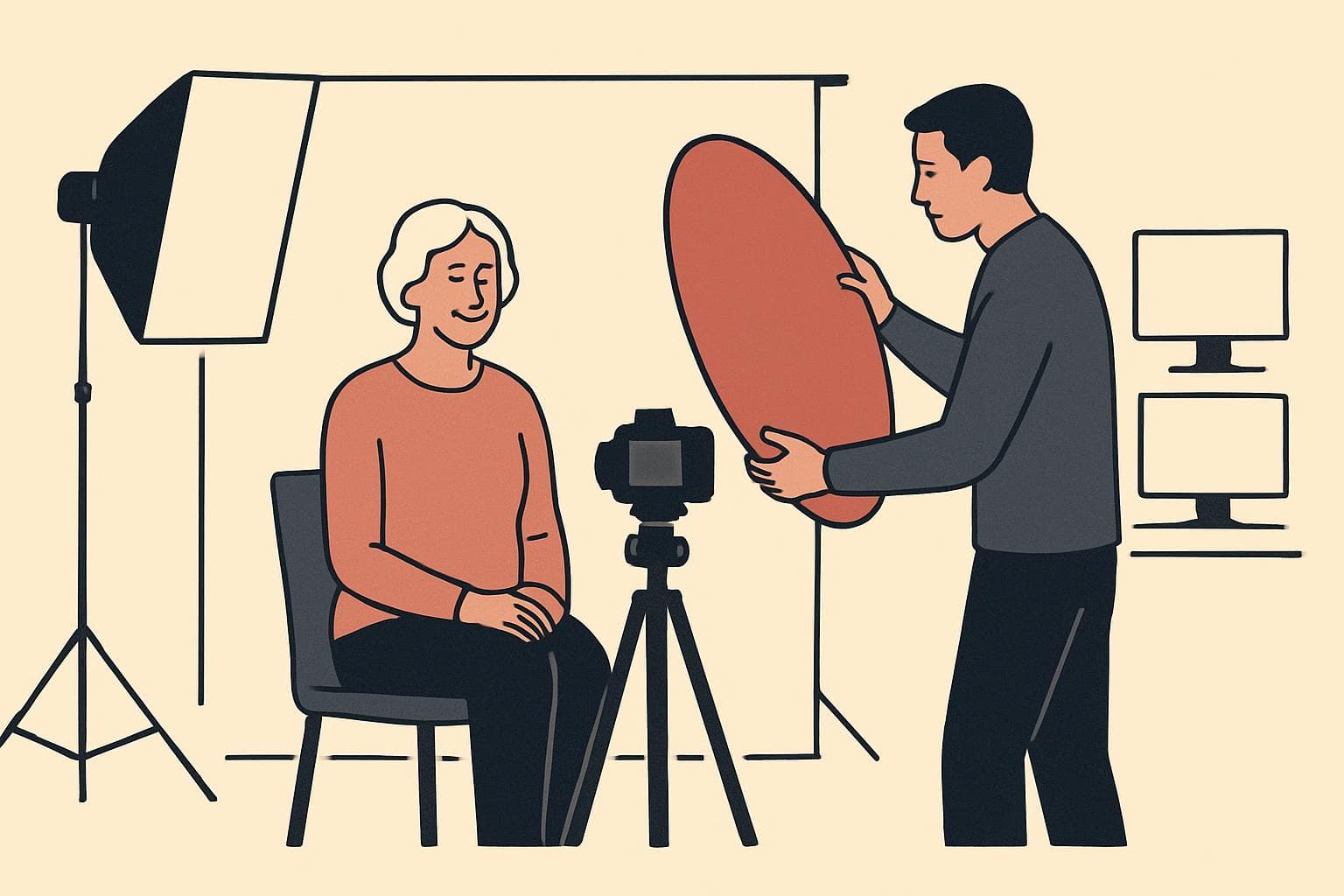
Emmer stresses that portraiture is different: a sitter is not just a visual element but an active participant in making the image. The photographer and subject continually influence each other; the model can respond, resist or change the photographer’s original idea. That improvisation and interpersonal connection give portraits a value an AI-generated character cannot replicate in the same way. According to Emmer, this interaction is what can give a portrait lasting meaning.
(Photo: New Africa)
Faster production, but what is lost?
One major effect of AI is shortening the path to a finished image: impressive results can be produced faster and with fewer collaborators. Emmer warns that this efficiency comes with losses: if people disappear from the creative process, the image itself may take on a different significance. AI-generated images are still often identifiable by a certain smoothness or artificial quality today, but Emmer expects that to change — a point may come when a quick glance will no longer reveal whether an image is a real photograph or AI-made.
Copyright and professional issues
If AI can generate new works in the style of a particular photographer, questions of regulation and copyright arise: how far should technological freedom go, and how can an artist’s visual signature be protected? Emmer considers these issues important topics for public and legal debate, as technological progress could fundamentally alter creative rights and professional standards.
Approach: cautious adoption, not rejection
Emmer does not advocate outright rejection of AI; instead he recommends a cautious, measured approach. He believes both AI tools and classic photography will have roles in the future; the core question is how much of the human element in the creative process we are willing to sacrifice for a perfect end result.
Topics and timestamps from the conversation
- From film to digital photography: how did the profession change? (03:00)
- What changes when an image is entirely AI-generated? (08:32)
- The essence of portraiture: photographer and model (15:39)
- What does AI remove from the creative process? (19:32)
- Retouching, beautification and AI tools (23:01)
- Can AI images be art? (31:43)
- What remains of professional photography in the AI era? (35:46)
Based on Emmer László’s observations, AI and generative tools can coexist with traditional photographic practice, but defining ethical boundaries and resolving copyright and stylistic-authorship questions will be essential going forward.