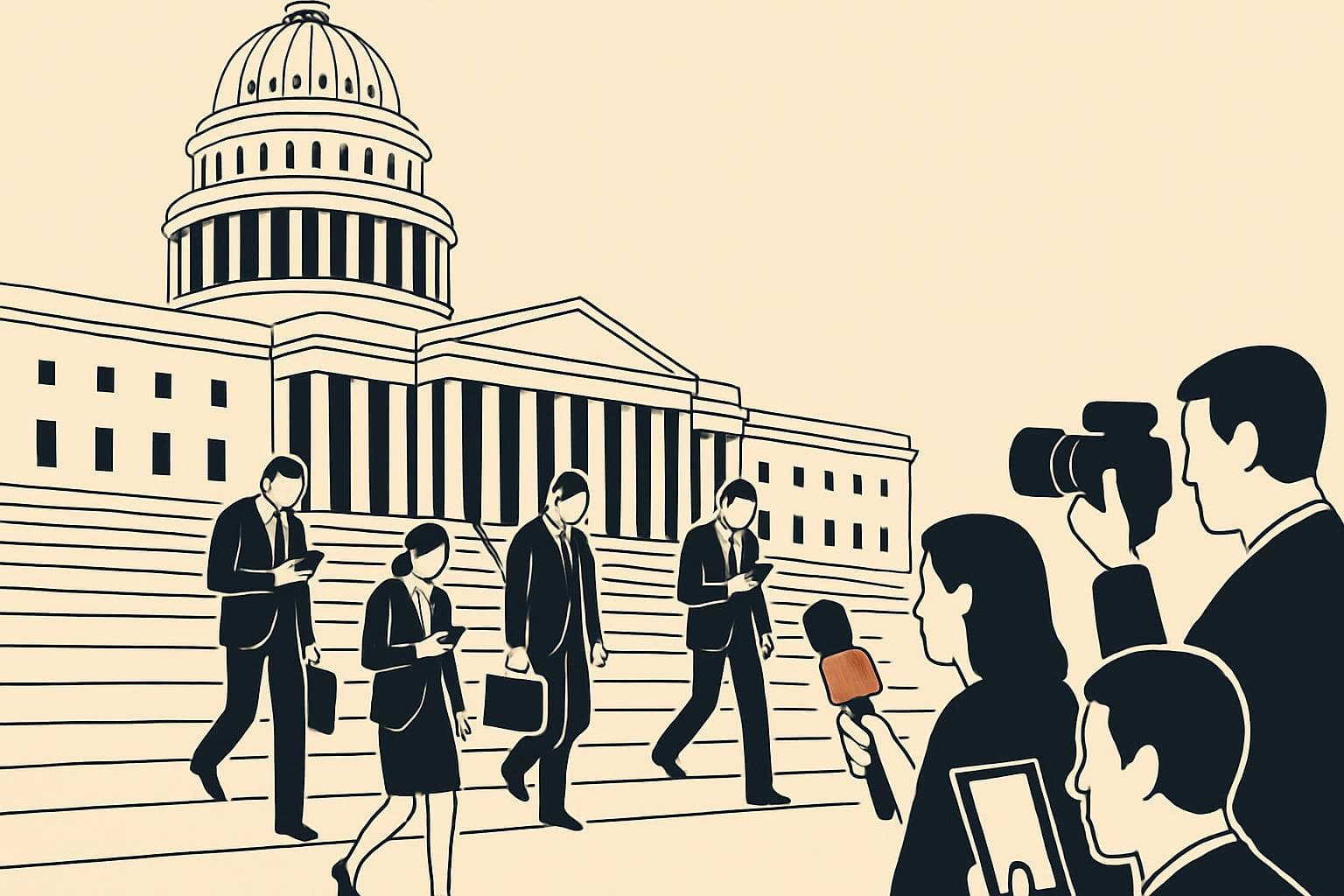
Midjourney has asked a court to compel The Walt Disney Company, Universal Pictures and Warner Bros. to disclose detailed information about how they use artificial intelligence in their operations. The request is part of discovery in the studios' copyright lawsuits against Midjourney; the company says those materials are necessary to show inconsistent industry practice.
Background of the lawsuit
Disney and Universal sued Midjourney last year, alleging that the company's image-generation models can produce images of characters owned by the studios, such as Bart Simpson and Darth Vader. A few months later, Warner Bros. joined the litigation with similar claims.
Midjourney's position
Midjourney argues that training AI models on copyrighted images falls within the legal doctrine of "fair use." To support its defense, the startup has asked the court to require the studios to produce all documents related to their use of generative AI, including internal development, workflows and any uses that generate images or videos accessible to consumers.
A judge previously limited discovery, ruling that the studios must disclose generative-AI information only when it relates to media directly provided to consumers. Midjourney has asked the court to set aside that limitation. The company says the restriction would allow studios to withhold documents that undermine their claims while selectively producing only those that support alleged market harm. Midjourney further contends the withheld documents would show that studios "behind closed doors" engage in the same practices for which Midjourney is being sued.
Request to see studios' own AI usage
Midjourney also argues that if studios have developed internal image-generating AI tools — for example, to create storyboards or to brainstorm film and TV content — those practices would be evidence that the industry commonly downloads copyrighted material and uses it to train AI models without permission. Midjourney has asked courts to order disclosure not only of prompts that allegedly produced infringing images but of all prompts used in Midjourney's systems and all images created from them.
Studios' response: a "fishing expedition"
David Singer, lead counsel for the studios, has said Midjourney is engaging in a so-called "fishing expedition," seeking broad access to documents without concrete evidence in hopes of finding favorable material. Singer emphasized that the studios are not trying to stop AI technology or shut down Midjourney's business; rather, he said their goal is to prevent Midjourney from copying and distributing their films and TV shows without permission, and from creating derivative works that replicate famous characters.
Why this matters
The dispute could set an important precedent on how much transparency major content creators must provide about internal AI practices and on the application of fair use to materials used to train generative AI. The outcome may shape the relationship between intellectual property law and generative AI across the creative industries.
(Reported based on a TechCrunch article.)