In a new podcast interview with biographer Walter Isaacson, Elon Musk said the failed DOGE experiment demonstrated that "there's no way we were gonna solve the deficit from within the government." The conversation appears in The Builders with Walter Isaacson, a series premiering Tuesday.
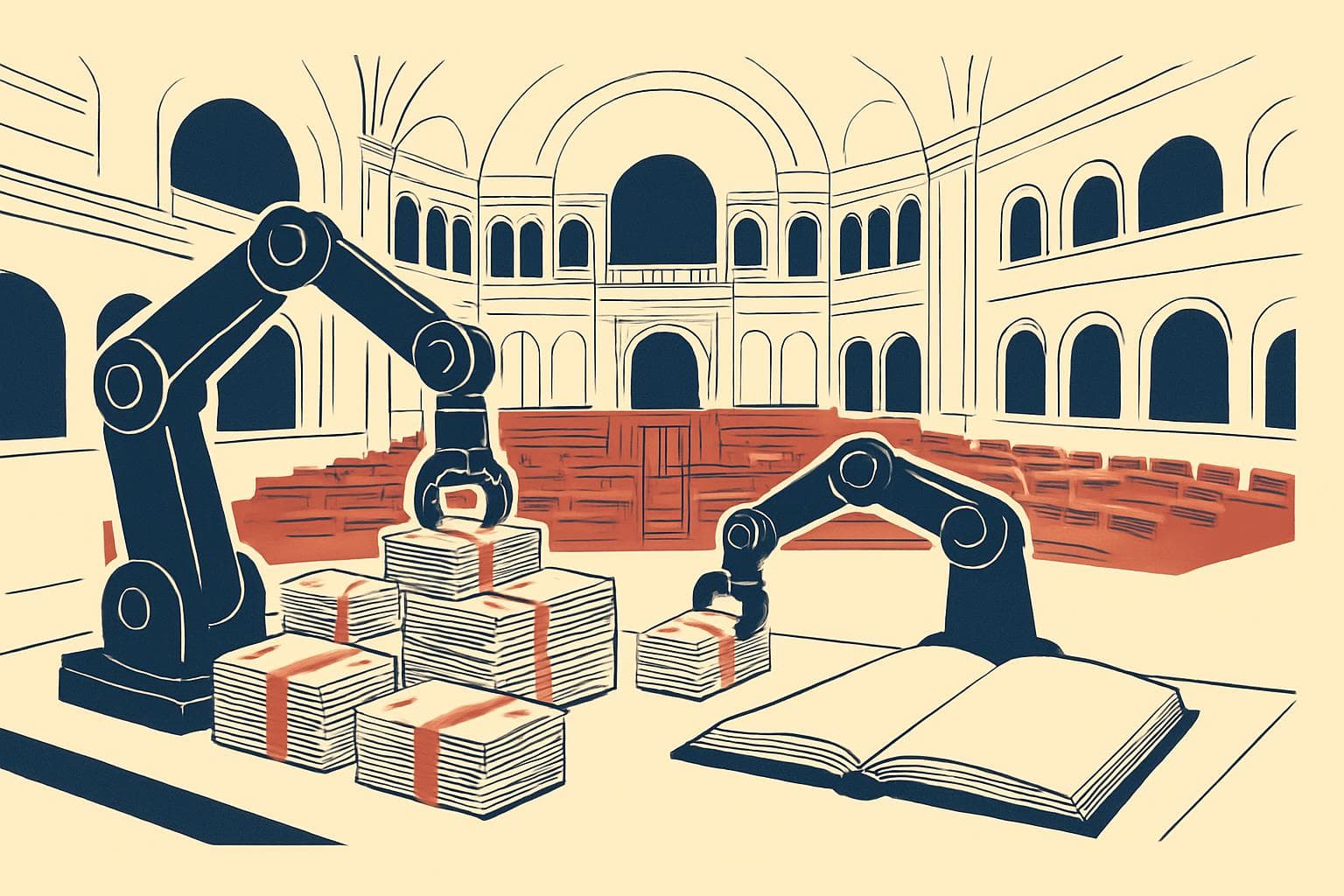
"The only way we're going to solve the national debt is with AI and robots," Musk told Isaacson, adding that "we're not gonna solve it by trying to save our way there."
Why this matters
Musk's remarks acknowledge that DOGE, which he once led, was a flop, but they also suggest the possibility that a future administration might try again to tackle fiscal shortfalls using increasingly capable artificial intelligence and robotics.
Details from the interview
Musk said the political appetite for cutting spending "is not there at the presidency, the House, the Senate or the judiciary. Basically, no one in authority in the government whatsoever — with maybe a few rare exceptions [like the] Rand Pauls of the world — actually wants to reduce spending."
"Maybe if the president made that his primary goal, we could do that," Musk added. "If you try to solve the deficit and stop wasteful spending, you make a lot of enemies. President Trump likes to be liked. He doesn't like people calling him, being upset about ... some funding being stopped."
Musk conceded he "kinda got carried away, basically" and that he ended up being "gone for too long" from his companies. He said he should have stayed more in the background and limited his formal presence to one or two months rather than the four months he spent in the West Wing.
"I should have gone back and focused on AI a little sooner than I did," he said.
When Isaacson asked whether time in the West Wing had been seductive, Musk replied: "It was, a little bit. I mean, it was kinda cool 'cause ... I'm just there in the Oval Office while all these, like, big momentous decisions are being made."
The interview also touched on Musk's appearance at the Conservative Political Action Conference (CPAC) about a month into Trump's second term, when he brandished a chainsaw onstage. Musk described that weekend as "weird" and declined to elaborate, saying, "Let's let sleeping dogs lie or whatever."
Bigger picture
Isaacson warned this week that Steve Jobs and other founders of the personal-computing era would be wary of autonomous AI agents that are not tightly controlled by humans. He included that warning in a new preface to an updated edition of his 2014 history of the digital age, The Innovators: How a Group of Hackers, Geniuses, and Geeks Created the Digital Revolution, published this week.
Isaacson said he launched The Builders to press the creators of the new AI era about risks and to hear directly what motivates them. He described Musk as "an amazing engineer who is pushing us forward with Starship, Starlink, Neuralink, and autonomous EVs," while also noting that, as detailed in his biography, Musk can be "too prone to darkness and conspiracies when it comes to politics and people."
What's next
The Builders, produced by the media company Kaleidoscope, features conversations with other tech figures including Peter Thiel, Alex Karp, Fei-Fei Li, and Dario and Daniela Amodei. A series preview says these tech leaders "open up about their ambitions, what frightens them, how they think about humanity, and what drives them to build so big and so fast." A trailer for the series is available to listen to.