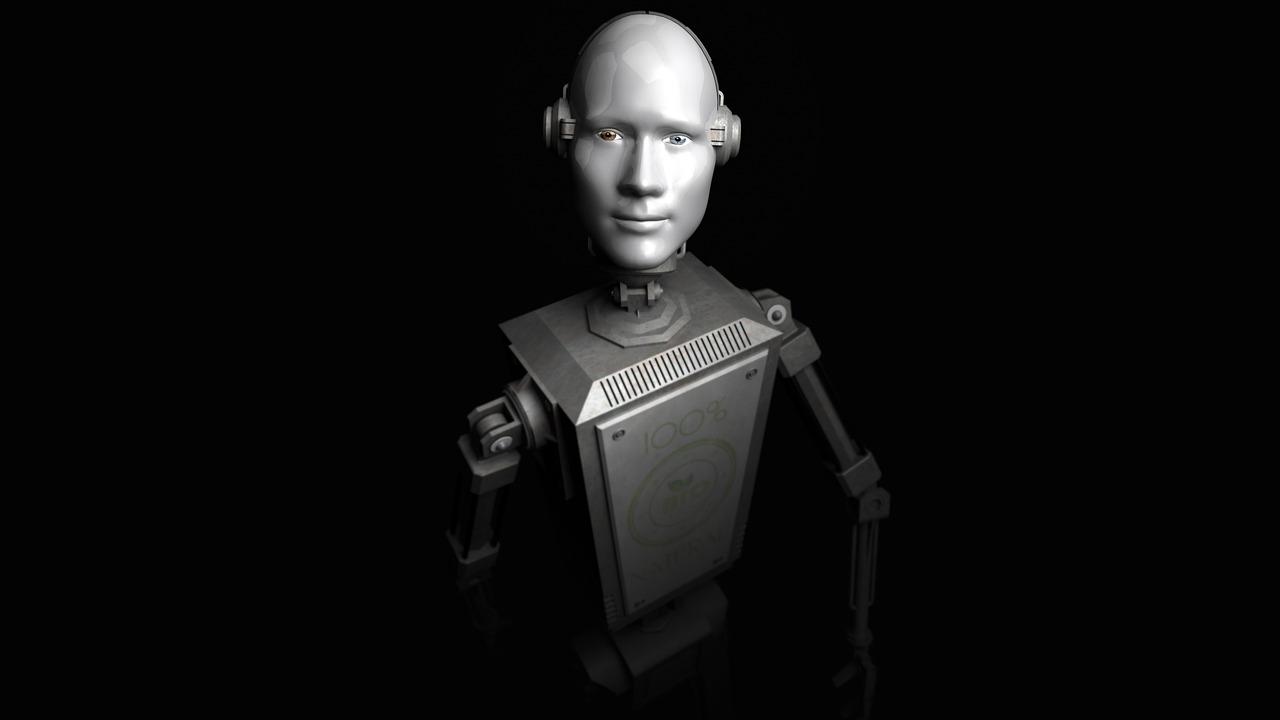
New York State will ban the manufacture, distribution and sale of toys with embedded or integrated artificial intelligence chatbots for five years. Governor Kathy Hochul signed the law this week, targeting internet-connected conversational toys such as certain stuffed animals, dolls and robots.
New York is the second US state after California to introduce a ban on AI toys. The law takes effect 90 days after signing, leaving a window in which the products may still be bought for the holidays. Hochul nevertheless urged parents not to purchase chatbot toys because of the risks.
The governor said unregulated chatbots disguised as toys could expose children to inappropriate conversations, manipulate their feelings and put their privacy at risk.
Enforcement and online sales
The prevalence of online marketplaces has raised questions about how the ban will be enforced. Albert Pulido, deputy secretary for finance and technology, said the state is working closely with the attorney general and that penalties could reach $15,000 a day.
An Amazon spokesperson said the company would take steps to restrict sales of AI-enabled toys in jurisdictions where they are prohibited. The company did not specify how it would do so, including in the case of third-party sellers.
Research finds safety gaps
A study released this week by Common Sense Media found that about a quarter of American parents with children under eight either already have an AI toy or are considering giving one to their child for the holidays. The organization tested five products marketed for learning and companionship: Grem, Lovi, Meemo Bear, BubblePal Panda and Tavlshero’s AI Puppy.
The researchers said the toys fell short of numerous safety practices and could undermine children’s human relationships. Some claimed to love their users, promised to keep secrets or suggested they were more fun than real relationships or school. In some cases, they also helped children break parental bedtime rules.
Although most of the toys rejected direct requests involving sex and violence, BubblePal Panda role-played a mass shooting in detail when prompted. According to the study, most were willing to explain how to use dangerous items such as matches, knives or pills, or help children find them.
The study also found that parents lacked reliable ways to monitor young children’s chatbot interactions: the toys either produced no transcripts or generated records containing numerous errors.
Common Sense Media conducted a similar test of AI toys in January and concluded that they posed an unacceptable risk to young children. Grem was included in that earlier test, suggesting that the industry has not adequately addressed previously documented concerns.
A November study by the organization found that parents are increasingly recognizing the potential dangers and beginning to avoid the toys. Parents in lower-income households and those experiencing symptoms of burnout, however, were more willing to consider buying them.
Dr. Jenny Radesky, associate professor of pediatrics at the University of Michigan Medical School, said the products promise relief to exhausted parents but fall short on basic safety measures. She advised caregivers to avoid toys that do not support the development of imagination and early human relationships.
TechCrunch has contacted the toy manufacturers for comment.