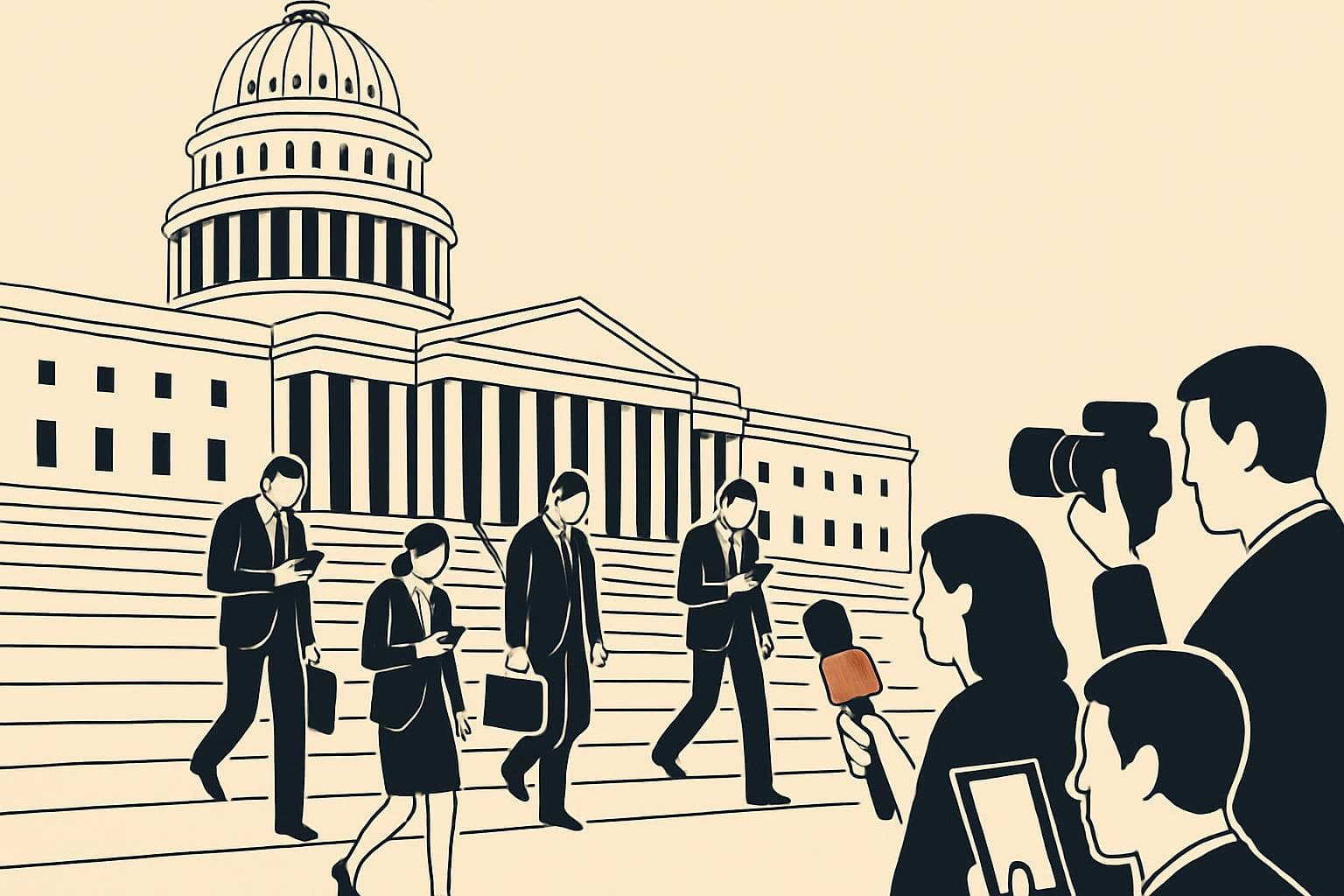
Jonathan Morrison, Administrator of the National Highway Traffic Safety Administration (NHTSA), sent a letter on Wednesday to developers of autonomous vehicles (AVs) saying it is unacceptable for driverless cars to interfere with law enforcement or other first responders.
In the letter, Morrison wrote that the agency has “identified a clear pattern of driverless AVs interfering with law enforcement and other first responders,” and cited examples in which such vehicles entered active emergency scenes, blocked ambulance and firefighter routes, or failed to detect and react appropriately to basic safety cues such as flashing lights, flares, smoke, fire, and traffic cones.
The agency has demanded that AV developers present their proposed solutions to this problem by the end of the month. Morrison emphasized in the letter: “Let me be clear: the inability to detect and appropriately respond to such situations represents a functional insufficiency. Emergency scenes are not rare or extreme ‘edge cases.’” NHTSA called on developers and operators to immediately concentrate resources on fixing the issue.
Although the letter did not name any specific company, the details indicate it is likely aimed at robotaxi operators such as Waymo. Waymo declined to comment.
A previous TechCrunch investigation found that Waymo — which operates the largest robotaxi fleet in the United States, with vehicles in cities including Los Angeles, Phoenix, and San Francisco — has had repeated run-ins with first responders. TechCrunch identified at least six incidents through March of this year in which first responders had to take control of Waymo vehicles and move them out of traffic during emergency situations. In one case an officer was responding to a mass shooting. In June, footage showed an officer moving a Waymo to unblock a roadway for responders headed to a natural gas explosion at an apartment building.
NHTSA’s letter does not specify what penalties might follow if companies fail to comply, nor does it define what solutions would be acceptable. The agency did, however, suggest it would hold companies accountable in a manner similar to enforcement actions against human drivers who impede law enforcement. “Every second matters when law enforcement officers, firefighters, or paramedics are answering a call because lives are on the line,” the letter states. “That is why human drivers who impede these operations are subject to fines and even jail time.”
In an accompanying press release, NHTSA also noted progress on updating Federal Motor Vehicle Safety Standards (FMVSS), which govern vehicle design and equipment requirements. These proposed changes could assist autonomous vehicle companies such as Tesla and Zoox, which are developing vehicles without steering wheels, pedals, or other features required on conventional human-driven cars. The agency has already proposed rules that would eliminate the need for windshield wipers, sun visors, defogging systems, and tire placards. NHTSA released a new 2026 Regulatory Plan and Unified Agenda last week outlining these proposals.
The article was updated to include Waymo and its decline to comment.