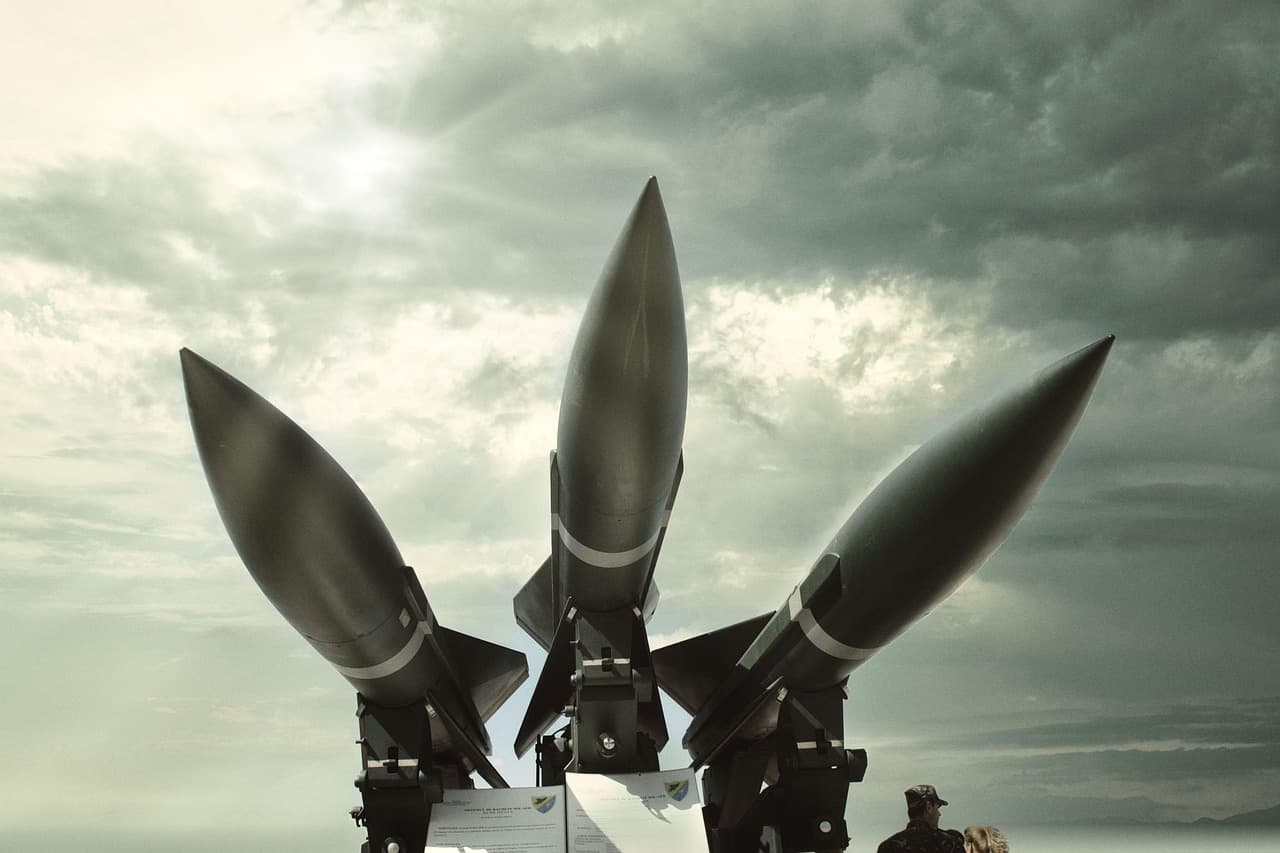
North Korea carried out a test early on Saturday of a strategic missile associated with a hypersonic weapon system under the supervision of Kim Jong Un, the state news agency KCNA reported on Sunday. KCNA said the missile struck a maritime target about 1,000 kilometres away off the country's east coast.
Monitoring by South Korea and Japan
The Republic of Korea (South Korea) military said it detected a ballistic missile launched from the Wonsan area heading east over the sea, and estimated it flew more than 700 kilometres. The Japanese Ministry of Defense reported the missile fell into the sea outside Japan's exclusive economic zone and there were no reports of damage or injuries.
KCNA's stated objectives and Kim Jong Un's remarks
According to KCNA, the trial aimed to train missile units operating the hypersonic strategic weapon system and to test the reliability, effectiveness and mobility of the country's deterrent capabilities. The report quoted Kim Jong Un as saying North Korea must continuously develop its strategic strike weapons and nuclear deterrent to operate in a secure environment.
Claims about artificial intelligence use
KCNA also reported that Kim Jong Un's sister, Kim Yo-jong, said on Saturday evening that the missile employed artificial intelligence and was able to alter its flight path at low altitude. She asserted that the weapon displayed features that make interception more difficult and that South Korea and Japan were unable to adequately track its trajectory. Reports described the missile as executing a distinct, wave-like trajectory modification.
Expert views and international response
Hong Song-pyo, an analyst at the Korea Institute for Military Affairs in Seoul, warned that North Korean missile technology currently lags behind the capabilities of leading military powers, and that it is premature to draw firm conclusions about the actual potential of the showcased weapon. He added that the use of artificial intelligence in ballistic missiles and drones is not in itself unprecedented.
Following the launch, the South Korean presidential office convened an emergency National Security Council meeting. The South Korean military has stepped up surveillance against possible further tests and is sharing intelligence with the United States and Japan.
Context and legal framework
North Korea has conducted more than ten missile tests so far this year. Multiple United Nations Security Council resolutions prohibit ballistic missile launches by Pyongyang.