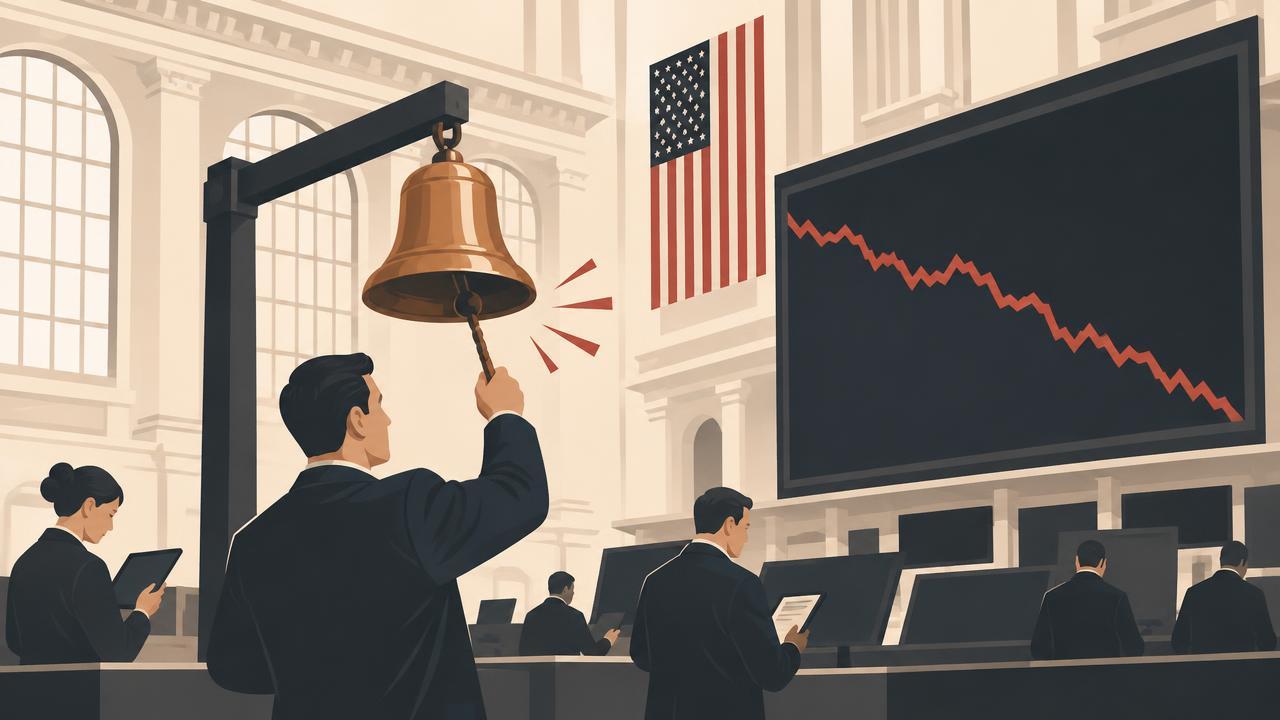
Nvidia has reported strong quarterly results while facing leadership questions and restrictions affecting its China business. Revenue rose sharply, results exceeded expectations, and its outlook was favourable. At the same time, the company’s share price fell, and several technology leaders called for the return of former CEO Jensen Huang.
On the latest episode of TechCrunch’s Equity podcast, Kirsten Korosec, Tim De Chant and Anthony Ha discussed how the financial results and the public debate over leadership presented two different pictures of the maker of chips used for artificial intelligence. Nvidia’s current executives sought to reassure investors and said the company had no plans for Huang to return.
China sales and remote access
Interim CEO Colette Kress said Nvidia would no longer sell its H200 chips in China. According to the podcast discussion, the decision coincides with efforts by the US administration led by Donald Trump to tighten restrictions on remote access to chips as well.
Korosec said Chinese companies had previously accessed chips remotely through data centres in other countries, including Malaysia; the discussion indicated that this route had also been closed. De Chant noted that export controls became stricter at the end of the first Trump administration and continued to limit Nvidia’s sales to China under Joe Biden. He added that the company had gained greater ability to sell in the country again in recent years.
Ha said critics of Nvidia’s position on China estimate that 20% of its business is connected to the country. The estimate does not refer to direct sales to Chinese customers: it rests on the assumption that some chips sold in Malaysia and other East or Southeast Asian countries are ultimately used by Chinese companies. Ha said consistent enforcement of restrictions could therefore have a significant effect on Nvidia’s bottom line, although the situation remains in flux.
Debate over Huang’s return
Despite the favourable results, Elon Musk and other technology figures have called for Huang to be brought back and are circulating a petition. According to the podcast participants, Huang himself has said he is prepared to return. Nvidia, however, currently rules out that possibility.
Ha noted that supporters of a return argue the most recent quarter still reflects the final period of Huang’s leadership, so it does not necessarily show how the company will perform without him. He also pointed out that roughly a week and a half earlier, the company had publicly expressed confidence in Huang, and said a future change in its current position could not be ruled out entirely.
Korosec said the board was trying to retain control of the decision and avoid appearing to yield to pressure from outside technology billionaires. She nevertheless described Huang’s return as unlikely, partly because of an investigation into chips allegedly sold secretly to China; she stressed on the podcast that the full picture was not yet known. The participants also recalled the earlier leadership crisis at OpenAI, although Ha noted that Nvidia’s position as a publicly traded company is different.