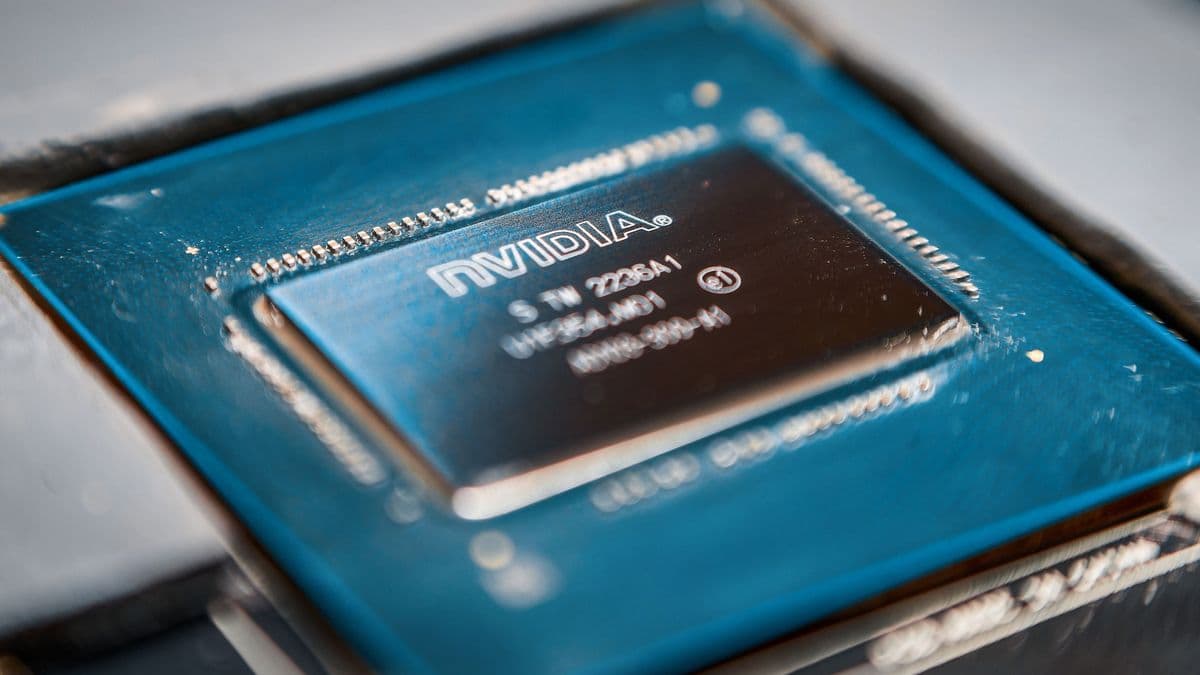
Nvidia has been one of the biggest winners of the past three years' AI boom, yet the bulk of its revenue still comes from data centers. Its most advanced AI processors are mainly purchased by large customers such as Microsoft, Amazon, Google, Meta and OpenAI, which run AI models in massive server farms. Market researchers estimate that the chip market tied to AI data centers could exceed $300 billion (about 108 thousand billion forints) by 2026, and Nvidia remains a dominant player in that space.
The pressing question now is when and how widely AI functions will move onto users' own devices. Technology companies increasingly aim for AI capabilities to run not only in the cloud but directly on personal machines, which can offer faster responses, lower costs and better data privacy for businesses and individual users alike. Viewed in this light, Nvidia's recent announcement carries strategic weight.
The company did not merely unveil a new processor; it is positioning itself in the market for AI-equipped personal computers (AI–PCs). Analysts predict AI–PCs could make up the majority of global PC sales by 2030. This matters for Nvidia because growth in the traditional data-center market may slow over time, while more than 250 million personal computers are still sold worldwide each year. If Nvidia becomes a key supplier in even a portion of those systems, it could unlock tens of billions of dollars in additional long-term revenue.
In short, the stakes go beyond showing a new chip. Nvidia wants to be a defining technology provider for the operation of computers on users' desks in the AI era — a position that could determine whether it retains industry leadership in the next phase of AI.
Taiwan as a strategic battleground for the AI revolution
Nvidia's long-term plans underscore this shift: Jensen Huang, the company's CEO, says Nvidia could spend as much as $150 billion (roughly 54 thousand billion forints) in Taiwan within a few years. That figure is ten times the amount the company invested on the island four to five years ago. To support this, Nvidia is building a regional hub in Taipei expected to be completed by 2030 and to employ about four thousand people.
The investment aims to tighten ties with the world's most important chip manufacturers and technology suppliers, including TSMC, Foxconn and Wistron. Taiwan already plays a central role in the global AI supply chain — many of the most advanced AI processors and related systems are manufactured there.
Other tech giants are also increasing their presence on the island: AMD recently announced an investment of more than $10 billion (around 3600 billion forints). Nvidia says that the coming years' AI competition will be decided not only by software but also by control over chip manufacturing and supply chains — and in that battle Taiwan has become indispensable.
Why this matters
- Nvidia's revenues have so far been driven largely by data centers; entering the PC market represents both diversification and growth potential.
- The global PC market, with annual sales of more than 250 million units, contains significant opportunity if AI features become widespread on consumer and business machines.
- Through its Taiwan investments, Nvidia seeks greater influence over manufacturing and supply chains, which could provide a strategic advantage in the next wave of AI innovation.
Nvidia's moves are therefore both technological and geopolitical: the company is working to ensure that in the next phase of artificial intelligence it controls not only the clouds but also the devices on users' desks.