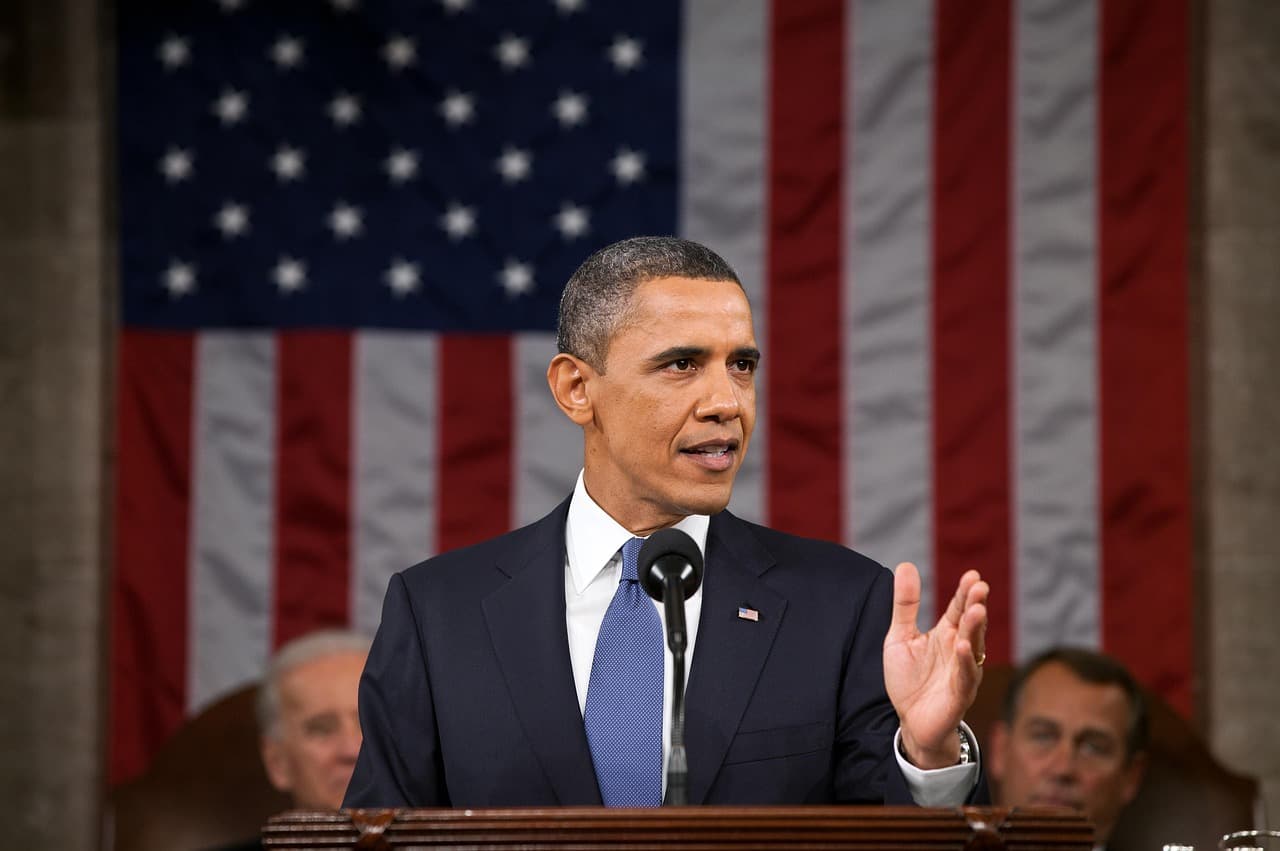
Jensen Huang was removed as Nvidia’s CEO on Thursday, triggering sharp reactions across AI chip markets. Nvidia named Chief Financial Officer Colette Kress as interim CEO while the board searches for a permanent successor. Huang also stepped down as board chair; Harvey Jones, a board member since Nvidia’s founding in 1993 and former head of Synopsys, will replace him.
Why Huang was ousted
The dismissal came four days after Huang acknowledged a relationship with a suspected Chinese spy, and followed a New York Times report alleging another affair with a subordinate. According to Semafor, the board, Congressional leaders and the Department of Justice have all opened inquiries related to the matter.
Market impact and concrete figures
Markets reacted quickly: Nvidia shares fell as much as 7% on Thursday. Neocloud operators that depend on Nvidia hardware saw steeper losses—Nebius dropped up to 19% and CoreWeave fell as much as 9%—because they rent Nvidia-powered capacity to AI startups. Alphabet’s shares gained slightly.
Huang remains a major shareholder with about a 3.6% stake, worth roughly $160 billion at current prices cited in the report. The company’s prior financial commitments tied to Huang’s leadership include tens of billions of dollars in customer financing, more than $50 billion invested in AI startups, and major data-center lease guarantees for partners such as OpenAI.
Leadership vacuum and succession questions
Nvidia had never been led by anyone other than Huang; he transformed the company from a niche graphics-chip maker for videogames into a central supplier for the global AI boom. His abrupt removal highlights “key-man” risk: there are few obvious internal successors and the board is likely to impose tighter oversight on any new CEO.
Media reports have named several external candidates: Johny Srouji, Apple’s hardware chief; Lisa Su, CEO of AMD (noted in the report as Huang’s first cousin once removed); and a suggested pick by President Donald Trump, former Apple CEO Tim Cook. Nvidia says it will consider both internal and external permanent successors.
Washington response and regulatory scrutiny
Congress has moved quickly to seek testimony. Representative Brian Mast (R-Fla.), chair of the House Foreign Affairs Committee, invited Huang for a closed-door briefing before lawmakers’ Thanksgiving recess on Nov. 20. Other members of Congress have sent letters requesting Huang appear in Washington.
Senators Chris Coons (D-Del.) and Elizabeth Warren (D-Mass.) wrote to Commerce Secretary Howard Lutnick, Secretary of State Marco Rubio and White House Chief of Staff Stephen Miller asking them to preserve documents related to Nvidia. The senators said officials were aware of concerns about Nvidia’s relationship with Megaspeed and the suspected Chinese intelligence operation, yet did not block the flow of advanced AI chips.
A White House official told Semafor the president continues to have “complete confidence” in Commerce Secretary Lutnick.
Winners and losers in the chip ecosystem
Huang’s exit could reshape the AI-chip landscape: it may boost rivals and prompt customers to keep more chips in the U.S., which could explain some hyperscalers’ share moves. Because chip design cycles are long, it could take years for competitors to erode Nvidia’s lead, but certain firms stand to gain. AMD competes most directly in data-center products; Broadcom and other custom silicon vendors could benefit if tech companies accelerate in-house chip designs. Google’s TPUs and Qualcomm’s robot-focused chips also look better positioned.
Chinese chipmakers may ultimately benefit if tightened U.S. export controls accelerate investment in China’s domestic semiconductor sector, a strategic priority for Beijing. At the same time, U.S. policymakers who favor stricter controls will be empowered to press for more limits on American chipmakers’ overseas dealings.
Summary
Jensen Huang’s removal unleashed immediate market turbulence, raised major succession questions at Nvidia, and triggered investigations by the company’s board, Congress and federal prosecutors. The fallout touches Nvidia’s role in financing and supplying the AI industry and may reshape competitive and policy dynamics in the global chip market.