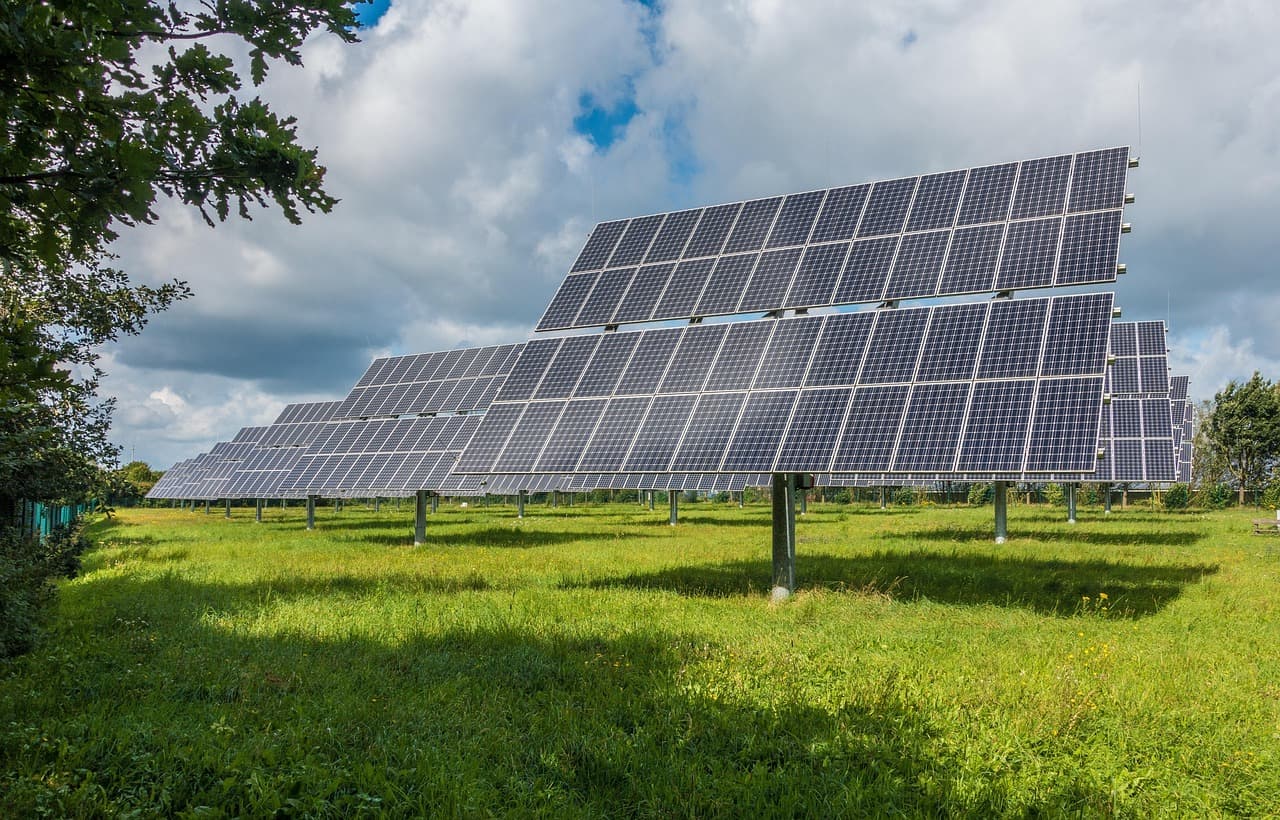
Several technology companies and investors have pursued a strategy of building data centers that rely largely on onsite power generation—so‑called "behind‑the‑meter" supply—to accelerate AI infrastructure deployment. That approach is encountering increasing regulatory, reliability and community pushback, which could jeopardize planned investments in AI compute capacity.
Scale and main actors
Research firm Cleanview reports 59 data center projects planning roughly 90 gigawatts of combined capacity that would use onsite power sources such as gas turbines, generators and fuel cells. Infrastructure risk analyst Occam Edge is tracking 12 projects where onsite generation is the primary supply, representing about 10.6 GW of announced capacity.
Key players include OpenAI and its partners Oracle and Crusoe, who have worked on OpenAI’s Stargate campuses. Elon Musk’s xAI also entered the space: Colossus 1 was rapidly built using mobile gas turbines and was initially off‑grid; it has since been connected to the grid and sold compute to Anthropic. The site drew a lawsuit from the NAACP, and Musk is now using gas turbines for Colossus 2 (selling compute to Google) and reportedly acquired a mobile gas turbine company earlier this month.
Recent incidents and local impacts
Recent events have highlighted the difficulties of bypassing the grid. Earlier this month, New Mexico’s top land official rejected a gas pipeline intended to supply onsite fuel cells for Oracle’s 2.5 GW "Project Jupiter" data center campus, part of Oracle and OpenAI’s Stargate initiative—this regulatory setback could contribute to years‑long delays.
In Virginia, a smaller off‑grid data center experienced an outage when its onsite gas turbines were knocked offline for 24 hours, forcing the facility to run on backup diesel generators during an episode of poor air quality caused by Canadian wildfires. Local residents reported burning lungs and noise around 60 decibels, and a supervisor called for new laws to regulate generator use.
A Crusoe‑developed Stargate project in Abilene reportedly went offline for days at a time due to power and cooling equipment issues, further raising reliability concerns.
Criticisms and risks
Critics argue that off‑grid data centers can be slower and more costly to deploy, less reliable to operate, and ultimately more expensive than expanding the electric grid. Energy investor Jigar Shah called the approach "a flimsy way to deploy AI," predicting that many of the bullish off‑grid deployment figures will not materialize.
Christian Okoye, founder and CEO of Occam Edge, warns these off‑grid capacities may not meet reliability targets, likening "Dark Gigawatts" to the dotcom era’s "Dark Fiber." Josh Wong, founder and CEO of ThinkLabs AI, described the off‑grid business model as largely "bolt‑on," reflecting a period of desperation among some developers.
Investors also lack clarity on reliability metrics, Okoye says, and that uncertainty could deter underwriting. Reflecting financial concerns, S&P Global Ratings recently downgraded Oracle’s long‑term issuer credit rating from BBB to BBB‑, citing the company’s massive data center spending, including onsite power infrastructure investments.
Why this matters
The outcome matters because hundreds of billions to potentially trillions of dollars of planned AI infrastructure investment hinge on whether large off‑grid data centers can deliver promised reliability, justify higher costs, and secure local acceptance. If these projects falter, the industry’s rapid buildout plans could be significantly altered.
What comes next
Further high‑profile failures or regulatory hurdles for off‑grid facilities could force a reassessment: much of the AI expansion may ultimately be more dependent on traditional grid‑connected power than many companies have assumed. The responses of investors, regulators and local communities will be decisive for the future viability of this model.