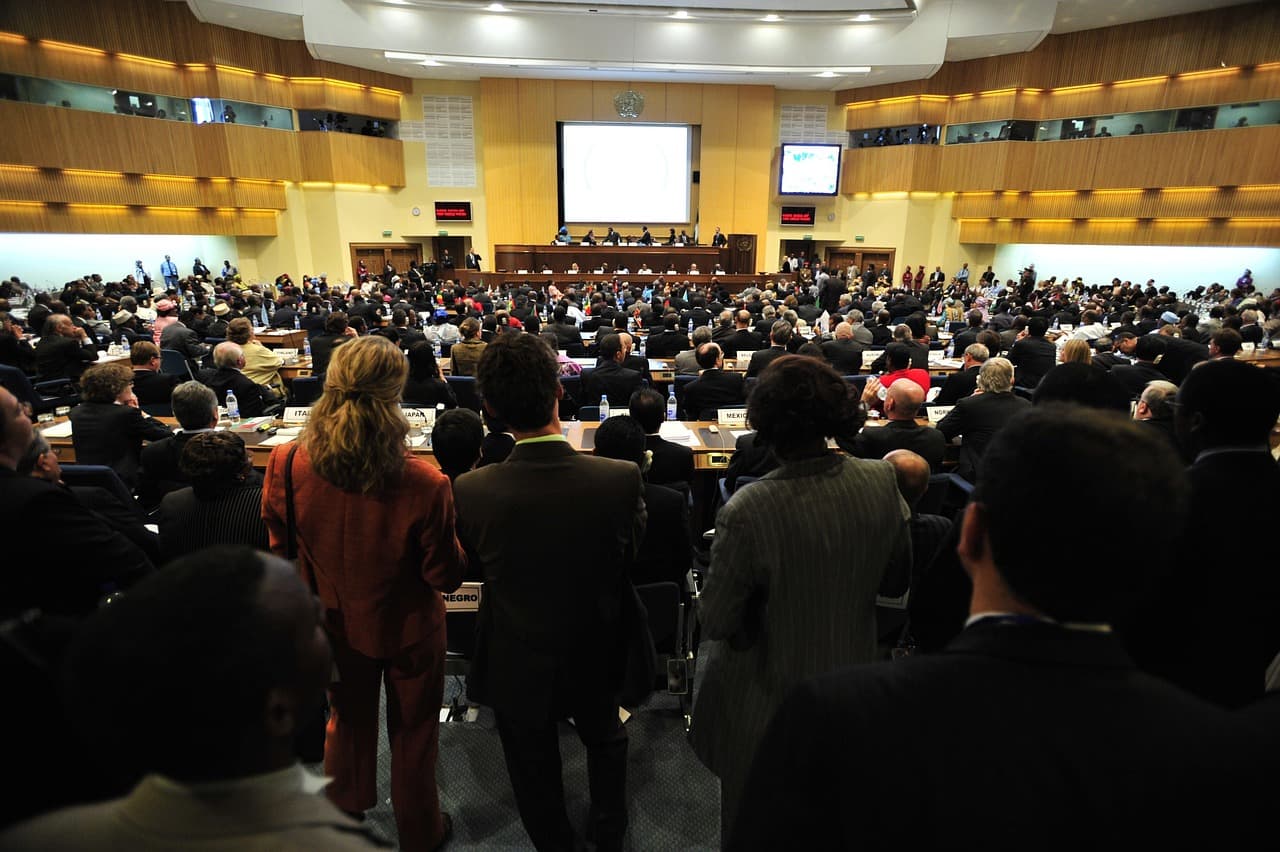
OpenAI on Monday called for the United States to take the lead in an international coalition tasked with coordinating global standards and safety practices for artificial intelligence. The recommendation comes as debates over the risks and potential of AI are playing out during this week’s United Nations General Assembly.
Outreach to China and the deconfliction proposal
The recommendation arrives while Washington is pursuing tentative outreach to China on coordinating AI developments. One discussed element between the two countries is a possible deconfliction hotline intended to reduce the risk of misunderstandings or accidental escalation related to AI. Similar channels have been used in other security contexts, but comparable mechanisms have not always succeeded: a like-minded mechanism notably failed during a 2001 security crisis.
Criticism that the steps are limited and symbolic
A Semafor columnist covering China argued that the offer may be “perhaps unintentionally symbolic,” calling it limited in scope and ambition even as the countries confront significant geopolitical and societal instability.
Domestic U.S. politics and commitment
At the same time, domestic U.S. politics reflect mixed signals. President Donald Trump, who has personal and political interests in AI, has been reluctant so far to push for stringent domestic AI safety standards and has at times publicly aligned with industry-favorable positions.
Why this matters
OpenAI’s call highlights the policy need for international coordination to manage AI risks and support the technology’s safe development. The proposal’s impact will depend on political will and the willingness of international partners to engage substantively.
(Reported by Brendan Ruberry.)