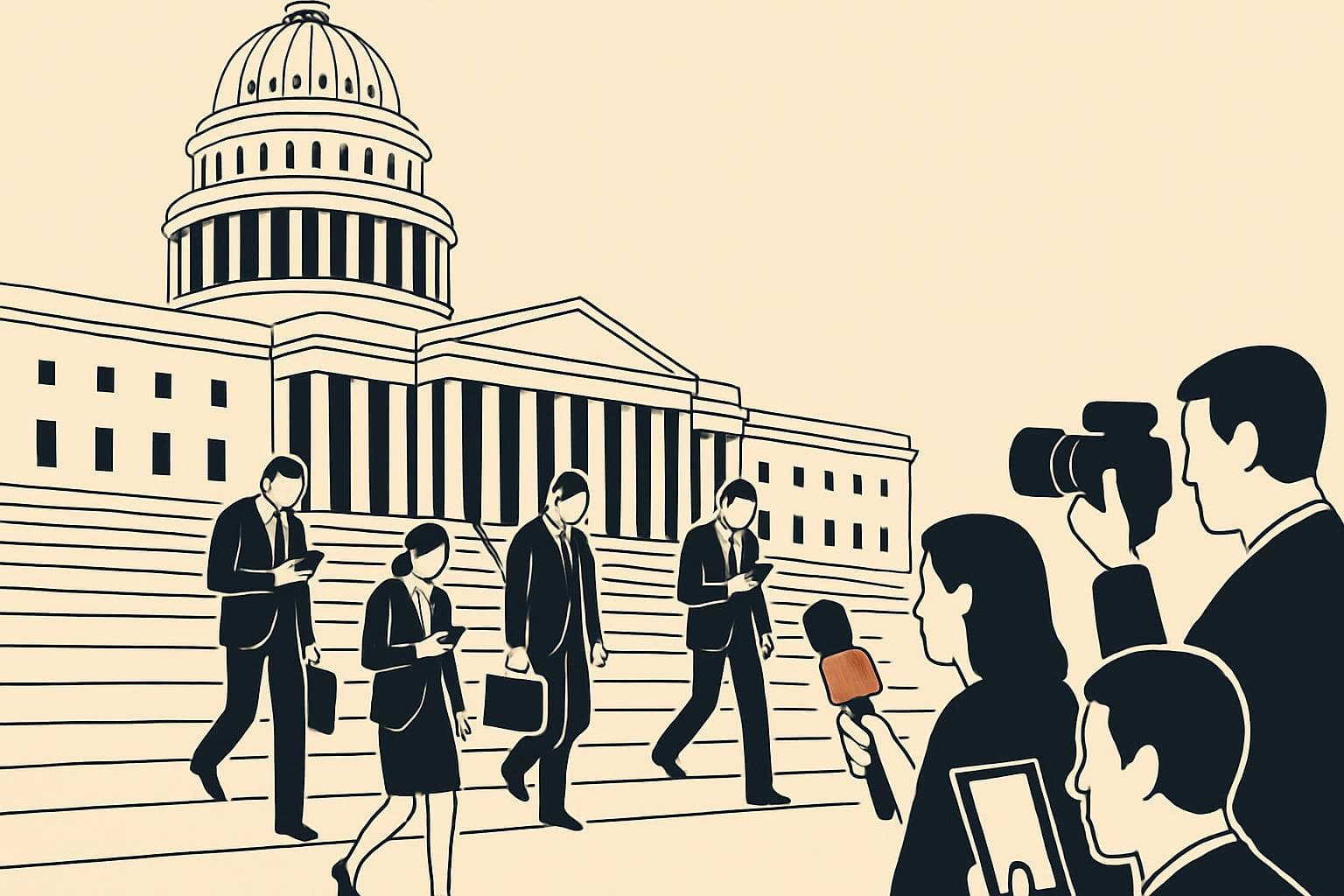
The team behind ChatGPT, OpenAI, has held preliminary talks about giving the United States federal government a 5 percent stake in the company, the Financial Times reported, citing two people familiar with the matter.
According to the FT, Sam Altman and other OpenAI executives presented the idea as part of a broader framework under which the US could acquire 5 percent stakes not only in OpenAI but potentially in other leading American AI firms. The report cites Anthropic, Google and Meta as possible examples, but it is not clear whether those companies would accept such an arrangement.
The report notes several key details remain unresolved: in particular, how the government would legally take such stakes and what terms companies would accept.
Altman has argued that a government stake would provide a mechanism for society to share in the financial gains from the AI boom. The proposal also aligns with ideas previously voiced by President Donald Trump, who has suggested the state could acquire stakes in strategic firms, potentially through a sovereign wealth fund.
Some observers reacted critically to the suggestion. OpenAI was originally established as a nonprofit and only later moved toward a market-based structure— a transition that has drawn criticism in the past. Critics say Altman’s proposal may be intended, at least in part, to ease the mounting regulatory, national security and societal pressure on AI companies, and therefore regard it as bold or audacious.
The Financial Times’ account has not been publicly confirmed by the companies involved.
Why this matters
The proposal raises fundamental questions about how state ownership could be reconciled with the business models of major tech firms, and what effects such ownership might have on competition, commercial decisions and the direction of AI development.
Further developments will depend on whether companies and the government are willing to work out the legal and economic details of any such arrangement.