OpenAI is launching a program that will provide 100,000 academic researchers with free access to its most advanced AI models through 2027, the company told Axios ahead of the announcement. The program was announced Wednesday.
What participants receive
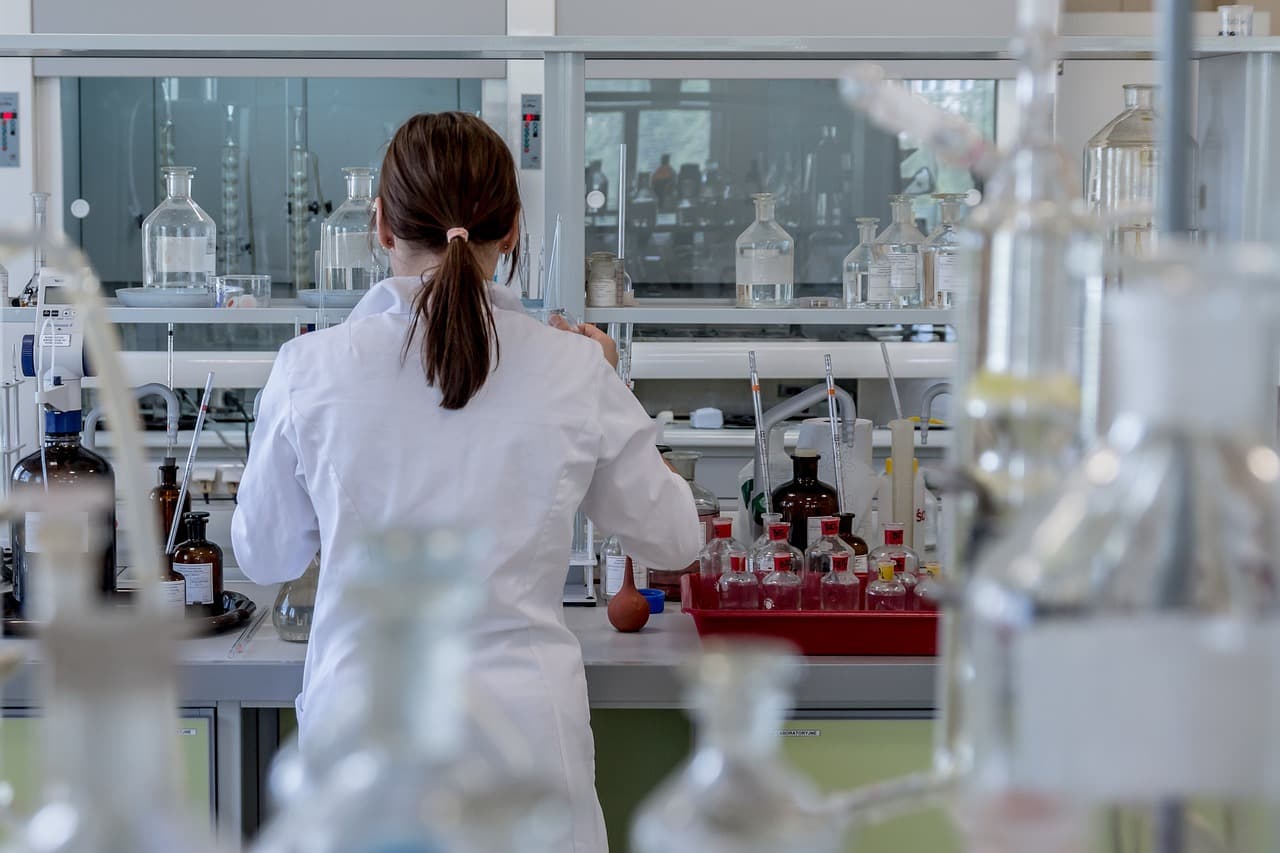
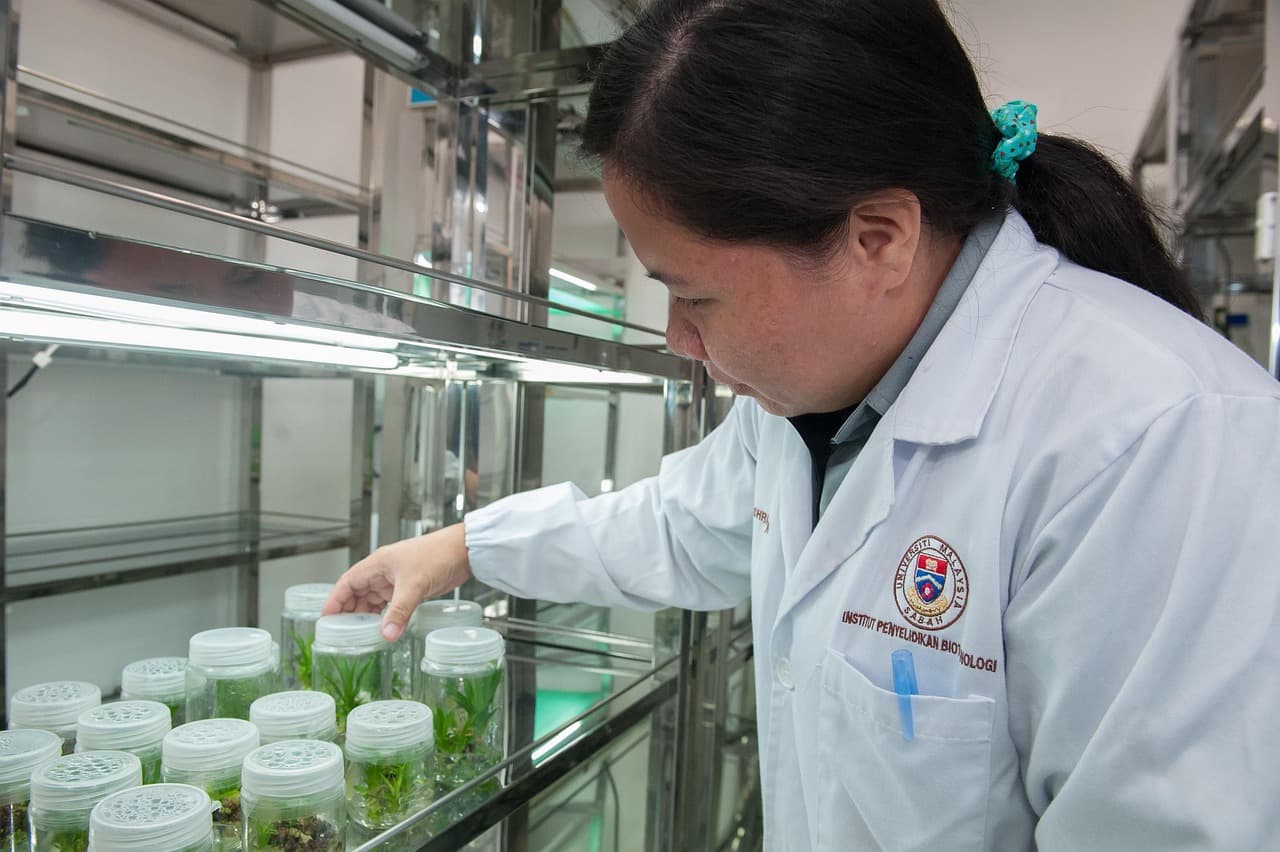
Selected researchers will gain access to OpenAI's top models, including GPT-5.6 Sol Pro. Each recipient may invite four collaborators from their academic institution. The program targets researchers working in biology, chemistry, computer science, engineering, mathematics and physics.
OpenAI said participants receive one year of access roughly equivalent to a $200-per-month ChatGPT Pro subscription.
Data use and security
OpenAI said data generated through the program will not be used to train its models. Researchers will receive business-grade privacy and security protections similar to those available to the company’s corporate customers.
Rollout schedule
The first 10,000 researchers will begin receiving access this summer, with early participating institutions including the Institute for Advanced Study and France's École normale supérieure. The wider rollout will continue through 2027.
Why it matters
OpenAI frames the initiative as a way to put powerful tools into the hands of the research community so scientists, mathematicians and engineers can pursue questions in their fields. The company said it does not intend to pick which scientific problems should be addressed but rather to enable researchers to work on the questions they know best.
Funding and broader context
OpenAI described the program as part of a commitment to invest more than $250 million through 2027 to support external scientific research and discovery. The move comes amid growing evidence that AI can contribute across disciplines, from progress on open math problems to identifying potential drug candidates.
Criticisms and limits
The program focuses broadly on math and science researchers rather than AI researchers themselves. It does not meet a central demand from many in the AI research community for access to model weights and the underlying training data. OpenAI and Anthropic argue that restricting access to model weights reduces the risk of misuse, but some researchers say such limits hinder independent evaluation, reproducibility and safety analysis.
Bottom line
OpenAI is expanding academic access to its most capable tools, including GPT-5.6 Sol Pro, while maintaining significant restrictions on the underlying systems and training data.