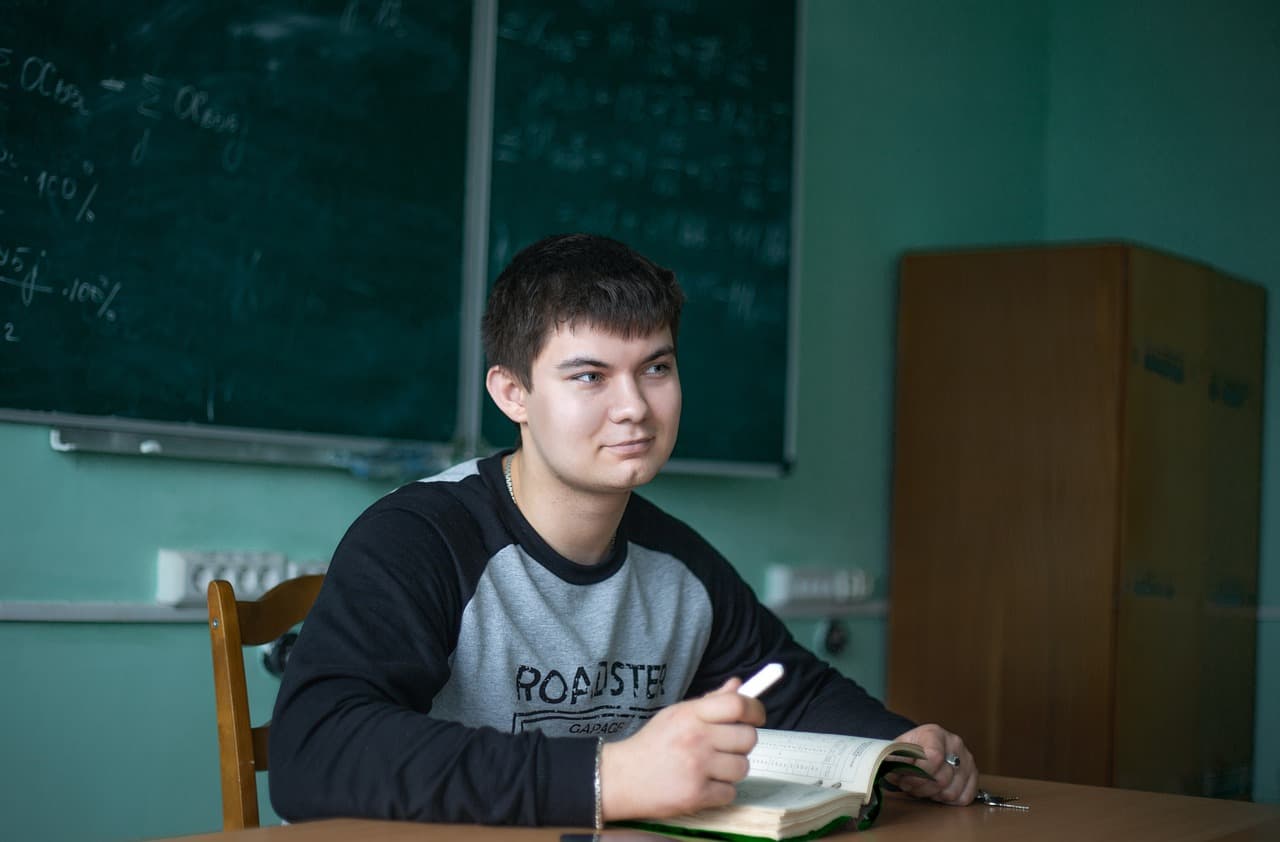
OpenAI has launched ChatGPT for Teens, a version of ChatGPT designed to help 13–17‑year‑olds learn, think critically, deepen understanding, and use AI with confidence. If OpenAI’s system estimates a person is under 18, or if the user states their age is between 13 and 17, they are automatically placed into the ChatGPT for Teens experience.
Purpose and educational approach
The product aims to expand educational opportunities outside the classroom while providing reinforced safety protections. It is intended to support active, collaborative learning: for example, a teen studying for a test can ask the model to explain an unfamiliar concept, work through practice problems step by step, and check understanding. When a quick answer is requested, ChatGPT for Teens prefers to guide users through the steps and questions that help them solve problems independently.
Building on prior work and commitments
This launch builds on earlier OpenAI work for teen users: the introduction of Parental Controls, an updated Under‑18 Model Spec, the Teen Safety Blueprint, the roll‑out of Age‑Prediction, and expanded features to support learning and healthy AI use. OpenAI says these efforts are guided by four commitments: put teen safety first, encourage real‑world support, treat teens like teens, and be transparent about system behavior. ChatGPT for Teens reinforces those commitments with an emphasis on learning plus stronger built‑in protections.
Study Mode and pedagogical design
Study Mode was developed with teachers, scientists and pedagogy experts and draws on research in learning science. It uses guiding questions, scaffolding, metacognitive prompts, and knowledge checks so students work through problems instead of just receiving solutions. OpenAI cites research showing that active retrieval and self‑explanation support better comprehension and longer retention than passive review, and reports early evaluations of Study Mode that indicate promising gains in student performance.
OpenAI emphasizes that AI should support learning rather than shortcut it, and that educators should remain in control of classroom AI experiences. ChatGPT for Teens is targeted at out‑of‑classroom learning, while ChatGPT for Teachers continues to provide secure, institution‑managed AI access and practical support for educators.
Partnership and education resources
OpenAI and CodeAI announced a signature partnership to provide students and educators access to tools and resources that teach how AI works, how to direct and question it, and how to create with it. The partnership focuses on the educational context around the technology and on teachers’ roles in shaping how AI enters classrooms.
Teen examples of constructive use
The announcement highlights examples of teens using AI to learn and build: in Virginia, Rushil Kukreja, Arhan Menta and Nayel Rehman developed WiFind, a search‑and‑rescue system that leverages existing Wi‑Fi signals to help locate survivors trapped under rubble after natural disasters; the project emerged from volunteer work with a local search‑and‑rescue organization. In Texas, Crystal Yang used ChatGPT to develop and scale Audemy, a platform creating audio‑based educational games for blind students, reaching 200,000 users and 50 games.
These cases illustrate the kinds of learning‑centered, applied uses ChatGPT for Teens aims to support: making sense of complex material, building with guidance, and applying new skills to real problems.
Default protections for under‑18 users
For users under 18, ChatGPT for Teens applies default age‑appropriate safeguards intended to reduce exposure to content that may be harmful or developmentally inappropriate while preserving opportunities to learn, create and explore. Protections are informed by the Under‑18 Principles in OpenAI’s Model Spec, which draw on developmental science and expert guidance.
In practice, the product applies model protections and product interventions in higher‑risk areas such as self‑harm, violence, eating disorders, dangerous activities, and explicit sexual or graphic content. The updated under‑18 model spec goes further than blocking romantic or sexualized roleplay: the system should not use romantic language, encourage emotional dependence, or imply that it has feelings or consciousness. These measures are intended to reinforce healthy real‑world relationships.
Family tools and notifications
Building on existing family tools, parents with linked teen accounts can set Quiet Hours, manage selected settings, and receive safety notifications in limited high‑risk situations. OpenAI is adding additional notifications related to eating disorders while limiting what is shared and focusing alerts on moments when offline support may matter most.
Healthy use cues and controls
ChatGPT for Teens includes features to support healthy habits: break reminders that encourage teens to step away, product cues that consistently identify ChatGPT as an AI, and additional cues and controls to reduce contextual risks and point teens to helpful tools and protections.
Evaluations and transparency
OpenAI is beginning to publish more of this work publicly. It added new under‑18 evaluations to its system cards to show how its models perform against teen‑specific standards in challenging sensitive‑content cases. These evaluations cover areas such as self‑harm, eating disorders, violence, age‑restricted goods and services, and sexual content, and aim to improve understanding of model performance on teen safety.
Ongoing development
OpenAI says it will continue to build features so teens can benefit from AI and will measure and publish what it learns. The stated position is that teenagers should be able to use AI to learn, create and explore, but that access must be accompanied by protections that reflect developmental stage, reinforce real‑world relationships, and support healthy use over time. ChatGPT for Teens is presented as the next step toward that standard.