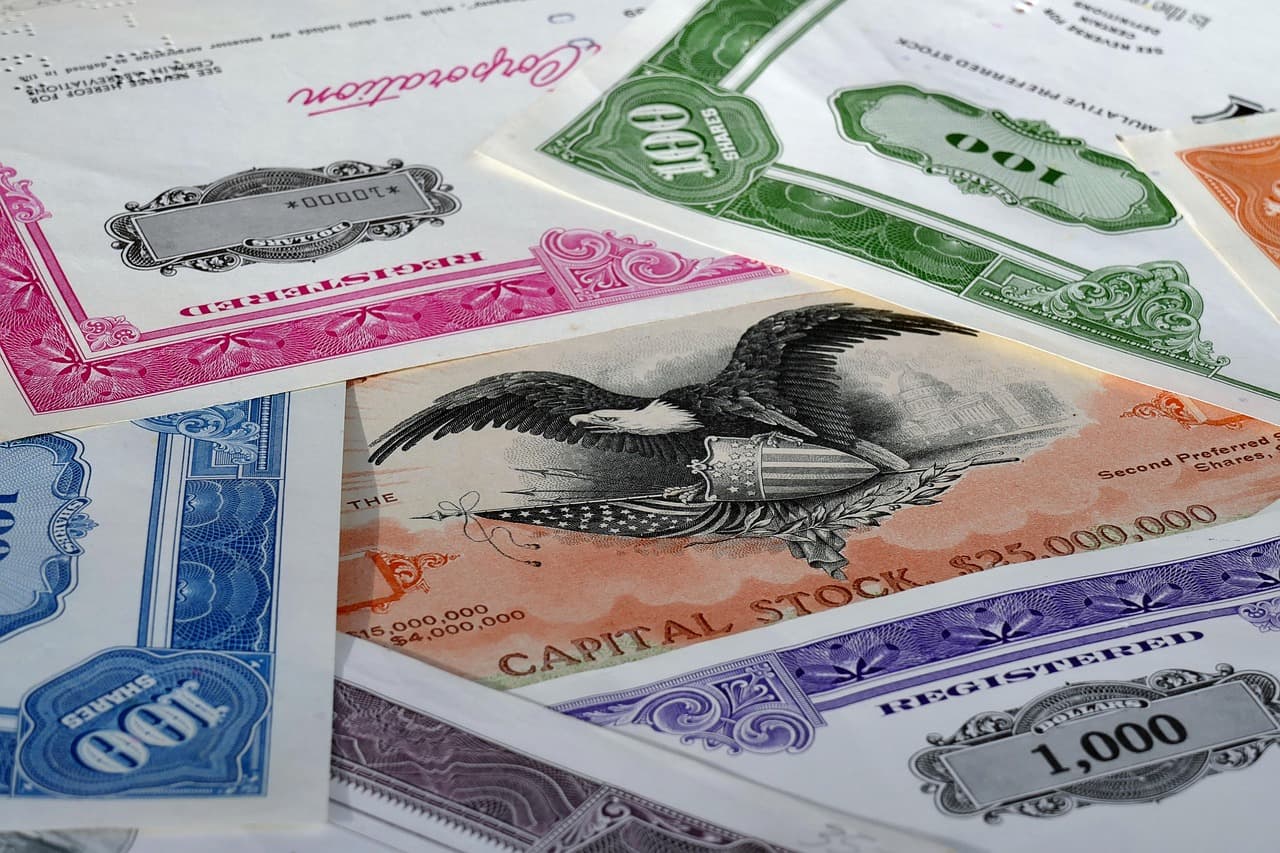
Sam Altman, CEO of OpenAI, has proposed that the US government receive a 5 percent ownership stake in OpenAI. Altman argues that providing public ownership is the best way to ensure society benefits from the economic value generated by artificial intelligence.
According to the Financial Times, Altman put forward the 5 percent figure during initial discussions. The proposal envisions other major US AI companies — including Anthropic and other leading firms — giving similar stakes to the government, although it is not yet clear whether those companies would agree to such an arrangement.
Why the idea surfaced
AI developers are operating in an increasingly challenging environment in Washington as public and political concerns grow about large data centers, the impact of AI on jobs, and cybersecurity risks. Both OpenAI and its rival Anthropic have delayed releases of their most advanced models amid regulatory reviews by US authorities.
Altman says a government stake could help maintain constructive relations with policymakers and address political criticism that the broader public should share in the wealth created by AI.
Discussions and political context
Sources cited by the Financial Times describe the talks between the government and OpenAI as still "conceptual" and in early stages. Implementing such an agreement could require approval from the US Congress, according to those sources.
Altman has been actively consulting with senior figures in recent weeks: he has met with Donald Trump, Commerce Secretary Howard Lutnick, and Treasury Secretary Scott Bessent, and he also held discussions with Senator Bernie Sanders. Sanders supports a more expansive public model — a sovereign wealth fund that would own stakes in close to half of US AI companies.
The FT frames these conversations as exploring mechanisms for more widely distributing the financial returns from the technology.
IPO plans and precedents
Both OpenAI and Anthropic are preparing for public listings, which would broaden their ownership bases and likely generate substantial returns for current investors; OpenAI's IPO is expected to take place next year.
Altman's proposal has precedents in US economic policy: for example, the Alaska Permanent Fund invests revenues from oil production into a state wealth fund and distributes dividends to the state and local residents.
Open questions
Key details remain unsettled: the precise mechanism for granting a government stake — whether by direct equity transfer or via a dedicated fund — has not been specified, and it is unclear whether other tech giants such as Google and Meta would support the proposal. Political and legal steps required to implement such a plan, including any role for Congress, will require further negotiation.
Overall, Altman's proposal outlines a potential approach to share AI-generated wealth more broadly while potentially reducing some of the sector's regulatory and political risks.