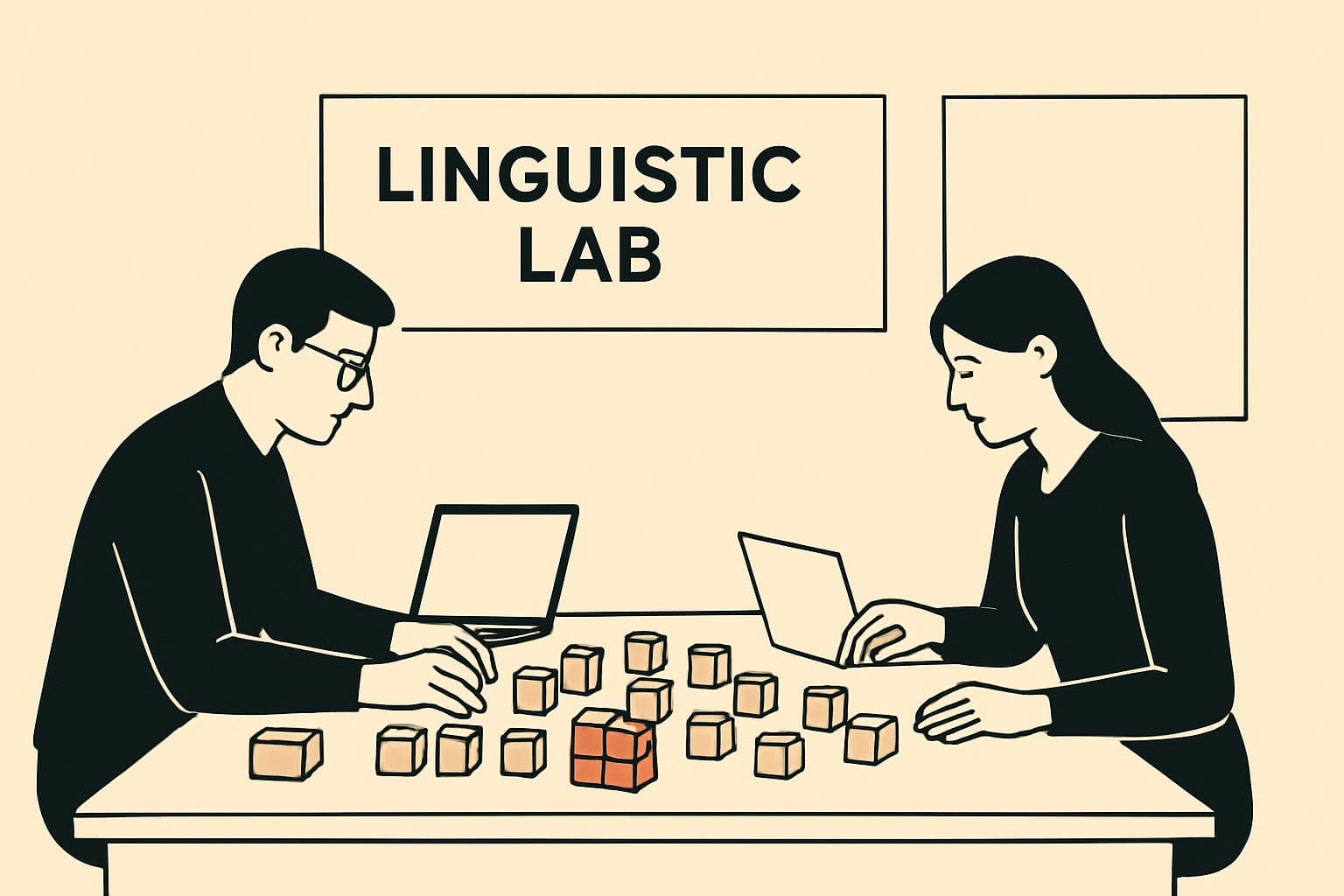
Periodic Labs, an AI startup aiming to deploy AI systems that can perform scientific experiments, has introduced Periodic Neon. According to the company, Neon was partially trained with reinforcement learning using data collected from physical laboratory equipment.
What they tested — XRD analysis
In early experiments the team focused on improving analysis of X‑ray diffraction (XRD) measurements, which they describe as a critical capability for discovery. On their internal evaluation dataset, dubbed "FrontierXRD," Periodic Neon achieved a 55.3% success rate. By comparison, Kimi 2.6 scored 2.7% on the same test, representing about a 20× improvement for Neon.
The company also evaluated generalization: they tested Neon on XRD data from chemical systems that had been held out during midtraining and RL. Neon performed well on these held‑out systems and, according to Periodic Labs' metrics, outperformed other frontier models such as GPT‑6 Astra and Claude Fable 5.1.
What is Periodic Neon?
Periodic Neon is a 1‑trillion‑parameter model that the company says "outperforms GPT‑6 Astra on a critical scientific analysis task using relatively little compute." Neon was built by midtraining on top of Kimi 2.6 and then applying reinforcement learning on lab‑generated data — the use of real lab data in RL is the key differentiator.
Periodic Labs reports using 1,300 H200 GPUs for the fine‑tuning step, a modest compute footprint compared with the 10k–100k GPU scale commonly used for large model pretraining.
The research loop and strategy
Periodic Labs describes its workflow as a three‑phase loop: first formulating hypotheses about which targets to create based on predicted stability and properties; second predicting how to synthesize those targets; third characterizing the materials made to determine whether they possess the intended properties. The characterization informs updated hypotheses and the cycle repeats.
Why this matters
Periodic Labs is part of an emerging group of companies attempting to automate scientific processes with AI — from materials discovery (Periodic Labs) to AI R&D automation (Recursive, Mirendil, Discovery Loop) and even chip design (Ricursive). If systems that learn from and interact with physical labs scale effectively, they could materially accelerate the pace of scientific discovery.
Further reading
Periodic Labs has published more detailed write‑ups about building laboratory environments that learn and using nature as a learning environment in their company materials.