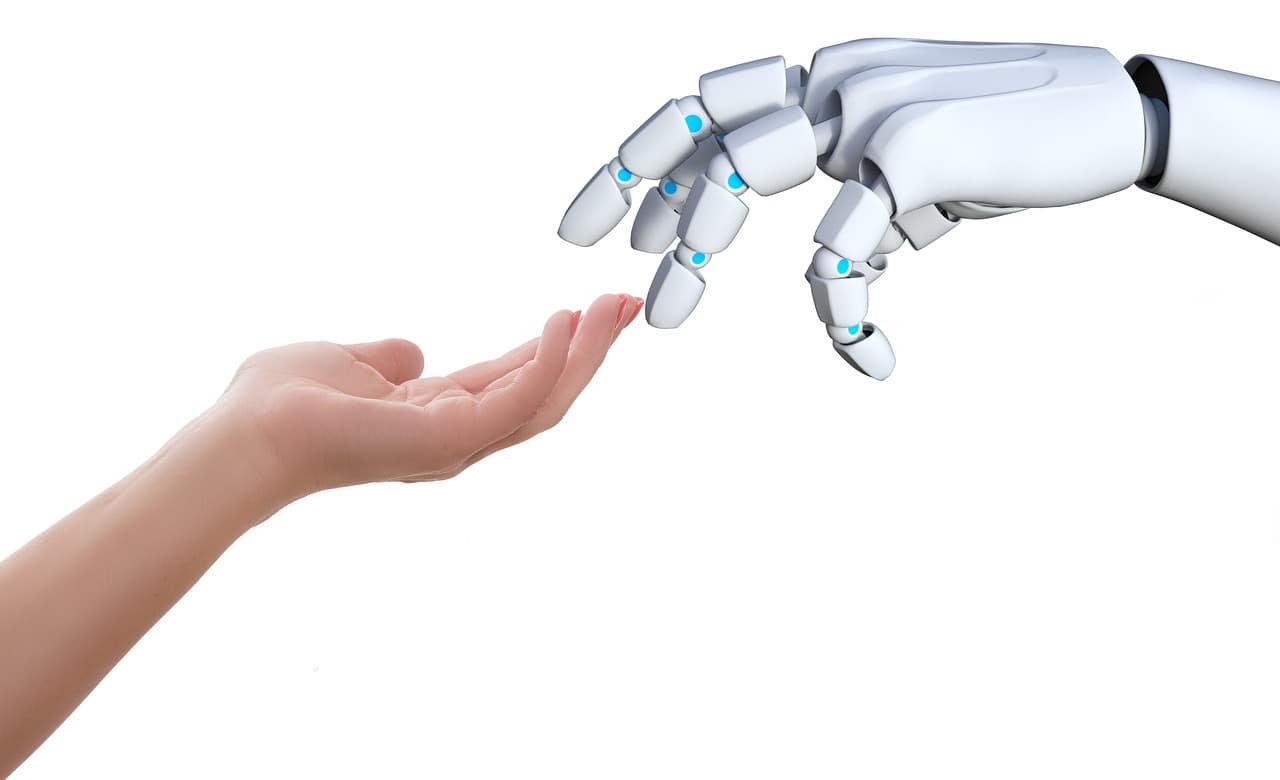
A Pew Research Center survey of 5,119 U.S. adults finds a rapid increase in the use of AI chatbots: 49% of respondents said they now use AI chatbots, up from 33% in 2024. About one-quarter of adults report using these tools daily.
How people are using AI
The most common use cases identified by the survey are search and work-related tasks:
- 42% use AI for search
- 38% use AI for work tasks
These figures indicate that AI tools are increasingly embedded in users’ information-seeking and workplace workflows.
Expectations and concerns about the future
Despite rising use, public expectations about AI’s long-term societal impact are largely pessimistic:
- only 16% expect AI to have a positive impact on society over the next 20 years
- roughly 40% expect a negative impact
- 63% say AI is advancing too quickly
Majorities of respondents also express worry about the security of their personal data. The skepticism is present across age groups: younger adults are not uniformly more optimistic.
Why this matters
Pew Research’s results highlight that increased adoption does not equal endorsement. Many AI features are now built into search boxes and smartphones, so rising usage reflects availability and integration as much as user trust.
The survey suggests a widespread pattern of dependence: about one in four adults turns to chatbots daily while simultaneously believing the technology is developing too fast and could harm society. That combination points to reliance without wholehearted consent rather than voluntary loyalty.
Conclusion
Usage metrics that industry actors often present as proof of public approval must be interpreted cautiously. Pew’s findings break the assumption that clicks imply confidence: Americans are using AI tools more frequently even as they express significant unease about the technology’s pace and social consequences.