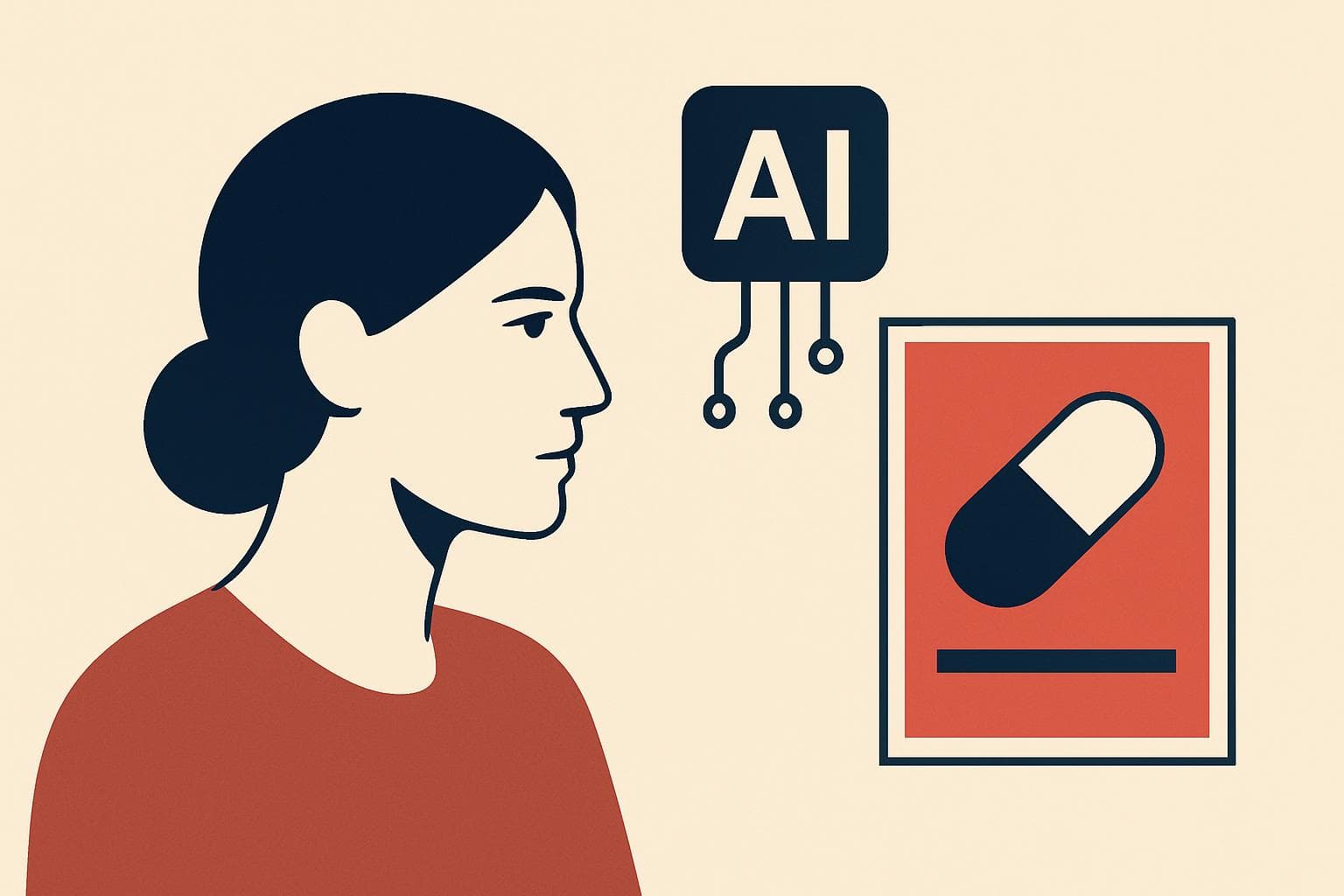
Dr. Czirják Janka, a physician and social-media influencer, announced on her TikTok page that scammers have been using her name and image in paid Facebook advertisements. According to her post, the ads include videos generated by artificial intelligence that promote various medicines. She said this kind of misuse had not happened to her before and expressed concern about her name and likeness being exploited.
In the post, Czirják said a follower sent her a screen recording of the advertisement, but because these were paid promotions she herself could not locate the posts on the platform. She asked her audience to forward any fraudulent content they encounter to her and to report it to the platform immediately.
In the TikTok message she stated: “I am neither a family doctor nor a television or radio expert, I have not written a book. I never gave the interview you see in this screen recording. I could never advertise something like this.” She also announced that she will pursue the necessary legal steps in the matter.
Wider context: a recurring problem in Hungary
A 2025 report cited in connection with the issue found that Meta earns billions of dollars annually from scams and illegal product sales on its platforms; Meta denied the claim but did not provide detailed figures. The current incident is not isolated: in recent years several well-known figures in Hungary have had their images and names used without consent in AI-generated deceptive content.
For example, in 2024 a fake video was made using Merkely Béla, rector of Semmelweis University. Nobel laureate Katalin Karikó of the University of Szeged (SZTE) has also had her name and likeness misused on multiple occasions, and the National Public Health and Medical Officer Service (Nemzeti Népegészségügyi és Gyógyszerészeti Központ) has been used in social-media scams as well.
Czirják’s report highlights how increasingly realistic synthetic content can be created with artificial intelligence and distributed broadly through paid advertising. Her request for followers to report the ads and her decision to take legal action illustrate one response by affected individuals, while the 2025 report points to platform responsibilities and financial incentives as central factors in the spread of such abuses.