Samsung unveiled the Galaxy Watch Ultra 2 and Galaxy Watch 9, highlighting artificial intelligence–driven health analyses in the Samsung Health app. The company emphasizes that the update is less about radically new sensors and more about converting continuous biometric data into understandable, personalized recommendations and insights. Samsung positions these changes as a step toward wearables that offer actionable information for both hobbyists and serious athletes.
What the Galaxy Watch Ultra 2 offers
The flagship Galaxy Watch Ultra 2 is aimed at users who pursue extreme sports and outdoor activities. Samsung highlighted a new trail running mode that tracks elevation gain, terrain conditions and climbing progress to help users pace themselves and reduce injury risk. Building on sweat measurements, the watch also provides real‑time hydration recommendations based on estimated sweat relative to body weight.
The Ultra 2 also advances diving capabilities: it carries an IP69K rating, 10 ATM pressure resistance and EN13319 certification. When a user submerges, the device can automatically track dive data such as depth, elapsed time and water temperature from the wrist. It also offers advanced dive-tracking features like ascent/descent rate monitoring and safe dive-time limits. Samsung said it will release a diving app developed in partnership with Mares later this year.
On the hardware side, the Ultra 2 runs on the Snapdragon Wear Elite platform and features an 800 mAh battery, a 35 percent increase over its predecessor. Its display can reach up to 5000 nits of brightness, a Samsung smartwatch record. The titanium-cased model is 12 percent thinner than the previous Ultra despite the larger battery. In Hungary it will be available in a 47 mm size in titan silver and titanium gray. The watch weighs 61.5 grams, slightly heavier than the prior model’s 60.5 grams.
Samsung argues these upgrades could make the Ultra 2 a viable choice against sport-focused brands such as Garmin, Suunto and Polar, provided the device delivers the promised accuracy and durability in the field and underwater.
Galaxy Watch 9: optimized for everyday wear
The Galaxy Watch 9 targets everyday users rather than extreme athletes. It comes in 40 mm and 44 mm sizes with a light aluminum case, up to a 3000‑nit AMOLED display and the same Snapdragon Wear Elite processor. Battery capacities are 390 mAh for the smaller model and 445 mAh for the larger one, up from the Watch 8’s 325/435 mAh. Both versions have 2 GB of RAM and 32 GB of storage. Softer, replaceable straps and a revised shape aim to improve all‑day comfort and thereby measurement consistency.
Shared AI-based health features
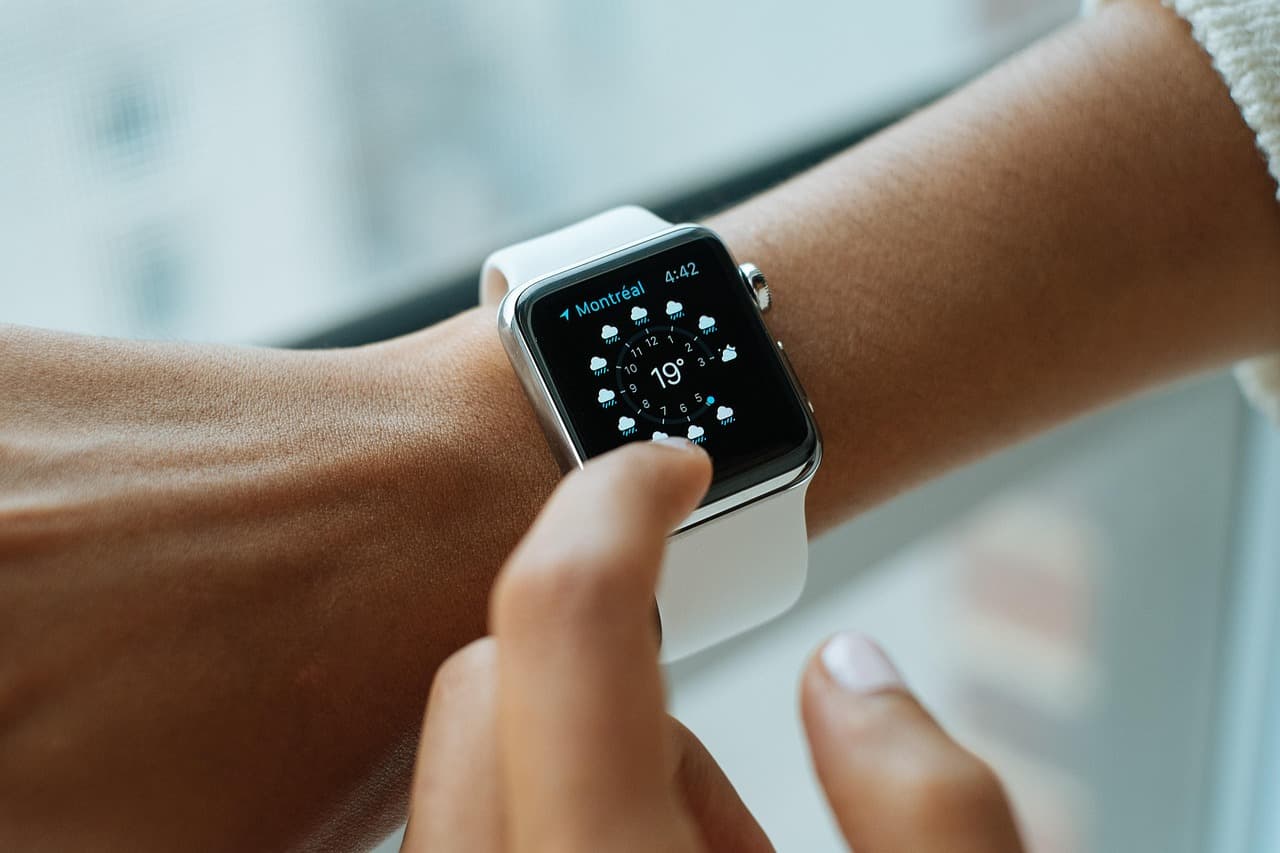
Both watches support the same new AI-driven health functions. The BioActive sensor continuously monitors biometric data and the system turns those readings into personalized guidance. New and highlighted features include:
- an FDA‑cleared sleep apnea detection;
- Vital Signs, which proactively monitors a user’s baseline health metrics during sleep and alerts on significant deviations;
- a Heart Health Score that provides an overview of cardiovascular status with lifestyle recommendations;
- Daily Cardio Load, offering personalized guidance on training volume and estimated recovery needs;
- a Fitness Index that gives a holistic view of physical fitness with personalized goals;
- a new hearing protection feature that warns about dangerously high noise levels.
Samsung Health already includes other tracking tools: an Antioxidant Index based on blood carotenoid levels, an AGEs index related to metabolic health and biological age, a built‑in running coach, and vascular load tracking (calculated from sleep, activity and stress). The app also provides detailed daily, weekly and monthly stats, body-composition breakdowns and food intake tracking, including barcode scanning to estimate micro- and macronutrient intake.
Pricing, availability and notes
In Hungary both models are available for preorder from July 22 and will be in stores from August 7. The Galaxy Watch 9 Bluetooth variant starts at 164,990 forints, the LTE model at 179,990 forints. The Galaxy Watch Ultra 2 LTE model has a recommended retail price of 289,990 forints. Purchasers receive a 60‑day Strava subscription with the new watches.
(Our reporter attended the Samsung launch event in London at the company’s invitation and expense. Samsung had no editorial input into this article.)