Tom Di Mino, a self-taught AI engineer and amateur linguist from New York's Hudson Valley, says he has systematically decoded the 3,500-year-old Minoan script Linear A. Working alone for five months, he ran Python scripts written with an AI agent across digitized corpora and reports producing a 408-entry lexicon, 40 phonetic values and a nine-page grammar. He labels the phonetic values as "proposed," and linguists at the University of Cambridge and Rutgers University are currently reviewing his work.
What happened
Linear A, the script associated with the Minoan civilization roughly 3,500 years ago, has resisted full decipherment for decades. According to Di Mino, after five months of focused solo effort he exhaustively cross-checked the digital corpus using Python code developed with the help of an AI agent. His published materials consist of three main outputs: a 408-entry descriptive lexicon, 40 proposed phonetic values and a nine-page grammatical summary.
Method and resources
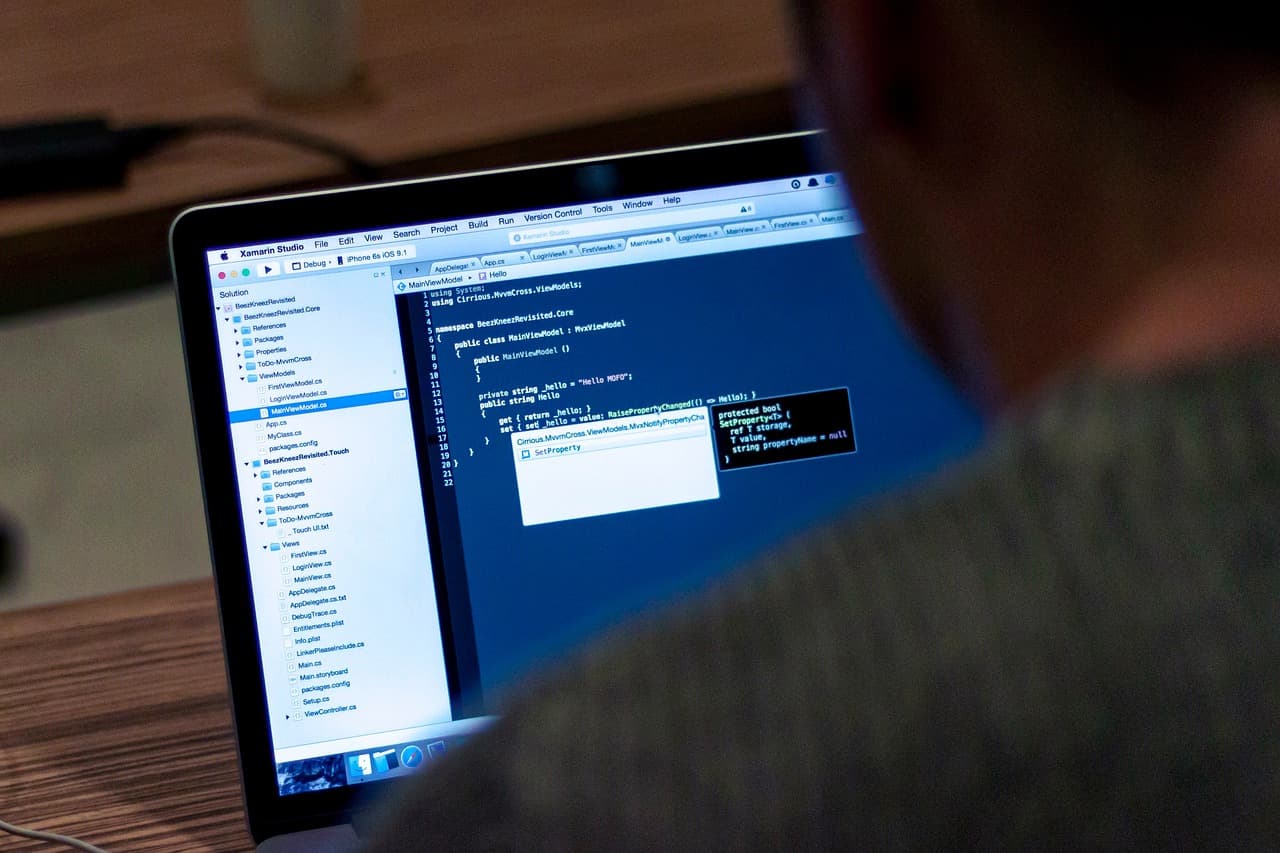
Di Mino emphasizes that his work was not carried out within a traditional institutional research group: after seven years of self-study he used a laptop and an AI agent to run the necessary scripts. He states that the AI did more than suggest ideas — it supplied the labor-intensive corpus-processing capability that previously required funded research teams.
Why it matters
The broader significance is that AI and automated tools can make available corpus-comparison capacity that used to be the preserve of university departments or long-term, funded projects. If Di Mino's claims are validated, it could change how large-scale philological data are accessed and processed.
Status and next steps
Di Mino designates his phonetic values as "proposed," and experts at the University of Cambridge and Rutgers University are reviewing his findings. Wider acceptance will require detailed independent verification and peer-reviewed publication before the decipherment can be regarded as established.
Concrete facts and numbers
- Lexicon: 408 entries.
- Proposed phonetic values: 40.
- Grammar: nine pages.
- Researcher: Tom Di Mino, self-taught AI engineer and amateur linguist, based in New York's Hudson Valley.
- Work period: five months of solo work; preceded by seven years of self-study.
- Age of Linear A: about 3,500 years.
Conclusion
The announcement illustrates how AI can redistribute tasks that were once feasible only for institutional teams. Nonetheless, until the claims undergo thorough community review and appear in peer-reviewed venues, the decoding remains a promising but not yet broadly accepted result.