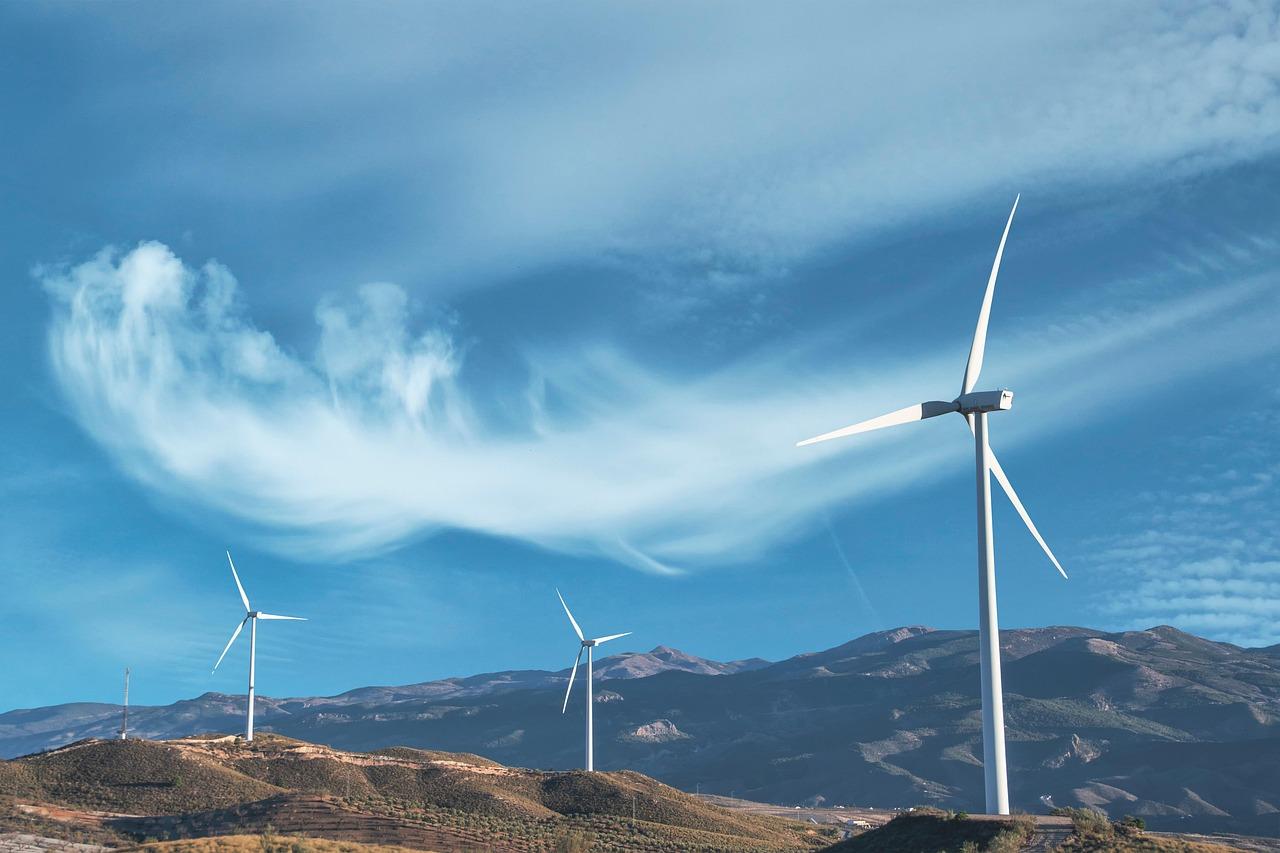
Siemens Energy attributes its recent improvement to the rapid expansion of data centers in the United States and a recovery in its wind-turbine business. In a Wednesday announcement, the company said sustained demand for its gas turbines and grid equipment is being driven by those trends.
Siemens Gamesa reaches break-even
The group’s wind-turbine unit, Siemens Gamesa, has reached the break-even point that market participants closely monitor. This is a notable turnaround after years of losses and extensive restructuring in the business.
Order backlog, dividend proposal and buyback program
Rising demand pushed Siemens Energy’s order backlog to a new high of €164 billion, the strongest annual growth since the company’s stock-market listing. Seeing favorable conditions, the firm announced a new €9 billion share buyback program on Tuesday evening.
For the 2026 financial year, Siemens Energy proposed a dividend of €2.30 per share, more than three times last year’s €0.70 payout.
Margin outlook and market reaction
Management expects profit margins to rise from 12.4% in 2026 to between 14% and 16% in 2027; the analyst consensus had been 14.7%. Following the announcements, Siemens Energy shares opened with a 5.6% gain.
Underlying drivers
The company points to global electricity demand growth—driven by electrification in transport, heating, cooling and industry—and highlights the rapid adoption of artificial intelligence as a major force. Construction of AI-serving data centers, which require dedicated power supplies, is expected to generate further investment in power generation capacity and grid infrastructure, particularly in North America.
Market risks and political context
Siemens Energy’s optimistic outlook comes amid a recent global sell-off in AI-linked stocks. That investor jitters were partly triggered by a significant victory by the Democratic Party in the recent U.S. midterm elections, which heightened concerns about the prospect of tighter technology regulation in the world’s largest data-center market.
Note: This article does not constitute investment advice.