Son Masayoshi, founder and CEO of SoftBank, told the company’s annual shareholders’ meeting that artificial intelligence is still in its early stages and said speculation about an AI bubble amounts to an "insult" to the technology. He argued that the real potential of AI is yet to unfold.
The CEO noted that SoftBank’s share price was driven higher by a bold, all‑in investment in OpenAI. Son, who is 68 years old, has weathered multiple market booms and busts during his career — including the dot‑com crash and the downturn during the coronavirus pandemic, when he said his portfolio fell into a "coronavirus valley" — yet he remains convinced of AI’s unique opportunities.
Investment moves: TEPCO, data centers and a "physical AI factory"
Son announced that the SoftBank group plans to invest capital in the Tokyo Electric Power Company (TEPCO). The stated aim is to increase power supply capacity and deploy AI‑based data centers within Japan. SoftBank is also building data centers in the United States.
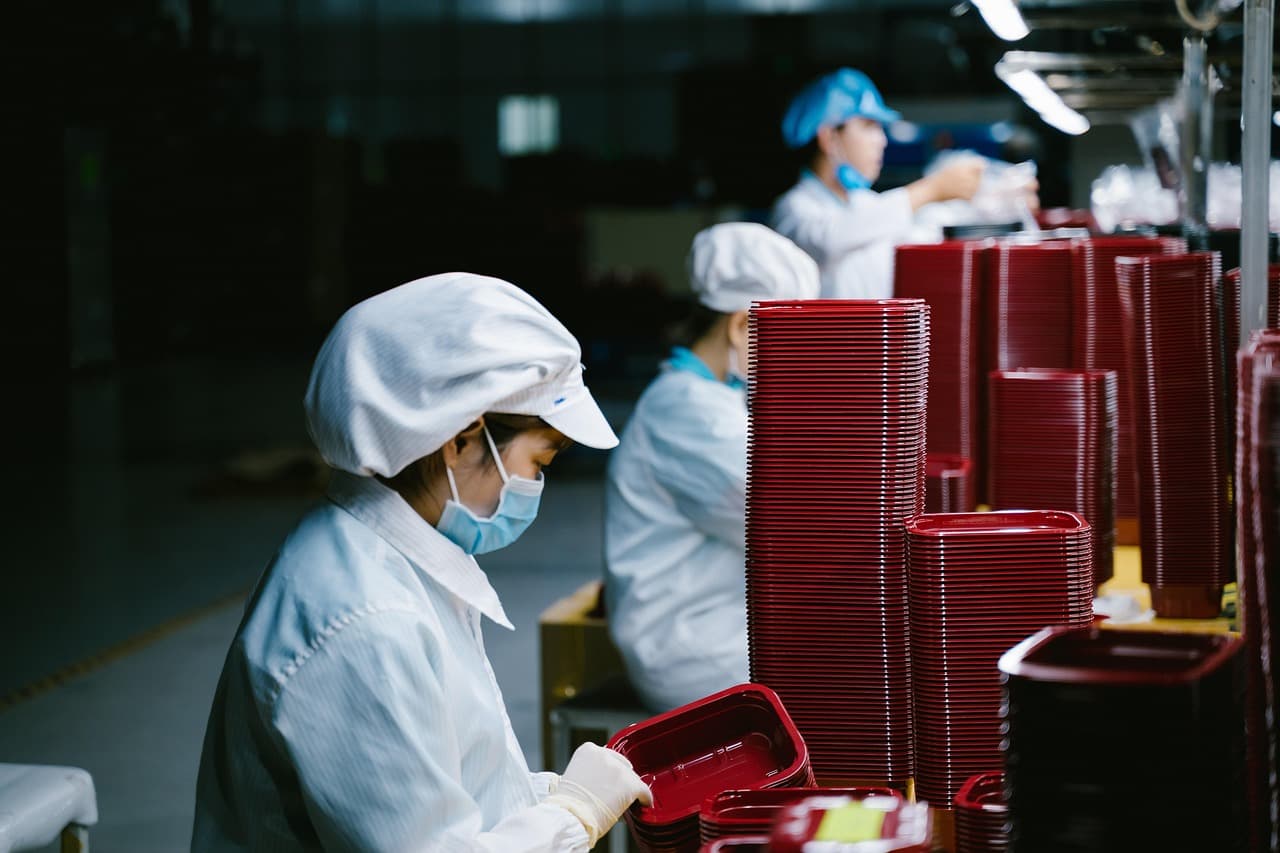
He added that the company has already begun producing robots in what he called a "physical AI factory," and that further project details will be released soon. Son said SoftBank will likely be among the first in the world to use robots to manufacture robots at industrial scale.
Financial picture and leadership ambitions
Son expressed frustration at the gap between the company’s market capitalization and its asset base — putting SoftBank’s market cap at about 37 trillion yen while its assets total roughly 74 trillion yen. He also said he intends to remain at the helm into his seventies to pursue his vision of a "artificial superintelligence," which he described as a system with capacity ten thousand times that of the human mind.
Son added that he has become "hungrier," and wants to complete a number of ambitious projects over the next 10–15 years.
Why this matters
SoftBank’s announcements — including its large bet on OpenAI, the planned investment in TEPCO to secure power for data centers, and its push to mass‑produce robots — underscore the company’s belief in AI and robotics as central to future industrial production and data infrastructure. If realized, these initiatives could affect Japan’s energy needs, competition in the data center market, and global robotics supply chains.