The growing electricity needs of data centers serving artificial intelligence have become a major energy-supply issue. In the United States, grid demand has shifted in just a few years from virtually no growth to increases of several gigawatts annually.
Brook Porter, a partner at G2 Venture Partners (G2VP), told TechCrunch that demand is growing faster than many people realize, while building energy infrastructure faces physical and supply-chain constraints. Expanding capacity takes time, so data center developers have sought electricity from a range of sources, often buying, renting or deploying natural gas power plants.
Solar paired with storage
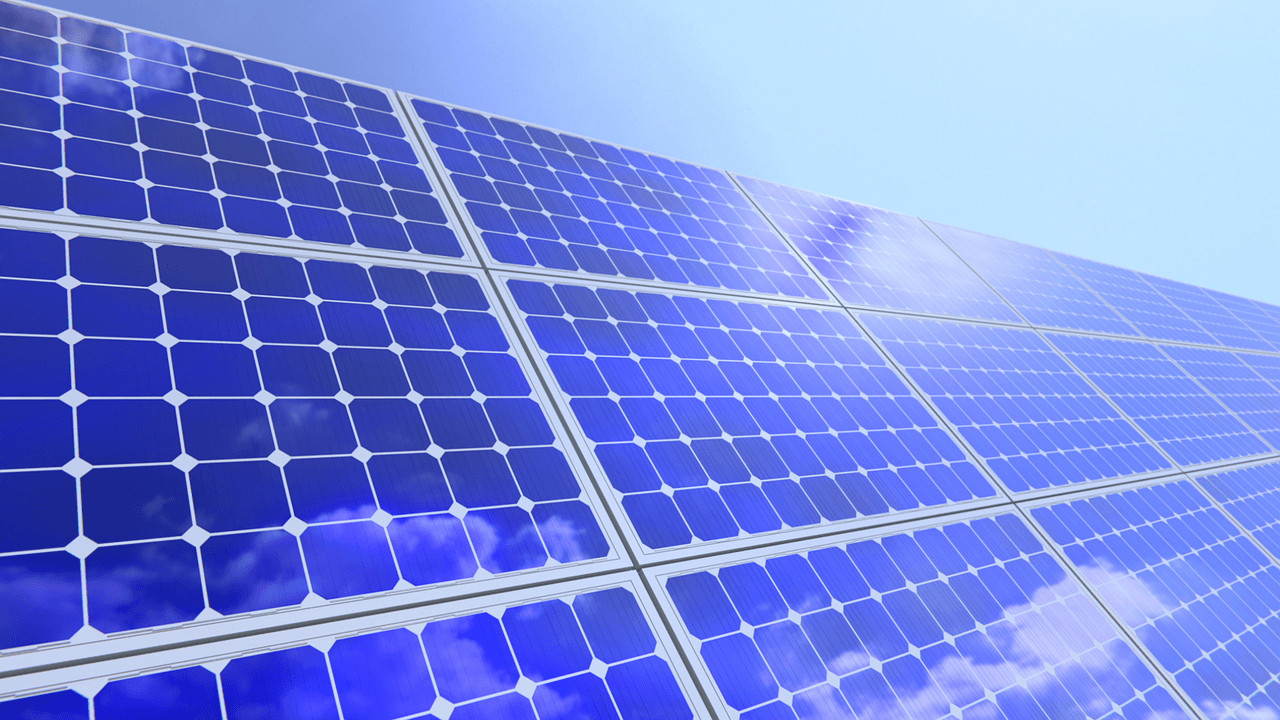
An analysis of the data center power market by G2VP suggests that combining solar power with energy storage could offer a faster way to expand supply. Porter said global annual natural gas capacity is only around 60–70 gigawatts, while solar is already well above one terawatt.
He pointed to Wright’s Law: producing the same items in large quantities can help reduce costs. Solar systems and most long-duration energy storage technologies use small, modular components that can be manufactured at scale. Porter said this could provide advantages in speed, scale and economics.
G2VP gained an early view of AI data center development after leading Crusoe’s Series C funding round. The venture firm estimates that investment in data centers will exceed $4 trillion by the end of the decade.
Two potential paths for development
The firm sees two paths for the next wave of development: smaller, grid-connected facilities with their own generating capacity, and larger data centers supplied by solar power and long-duration storage.
For larger facilities, Porter said operating off-grid could be key. It would allow developers to use renewable energy independently of the grid and could help them avoid some constraints related to grid access or air permits. That, he argued, could bring projects to market more quickly.
In recent years, energy storage has largely meant lithium-ion batteries, but these are too expensive to compete with fossil fuels for round-the-clock power. Newer long-duration storage products, including those from Form Energy and G2VP portfolio company Antora Energy, have significantly reduced the cost per megawatt-hour.
Porter said it may still take a few years for data center developers to adopt these technologies widely. Nevertheless, he believes they should consider them now, because companies that are unprepared could be left behind in a rapidly growing market.