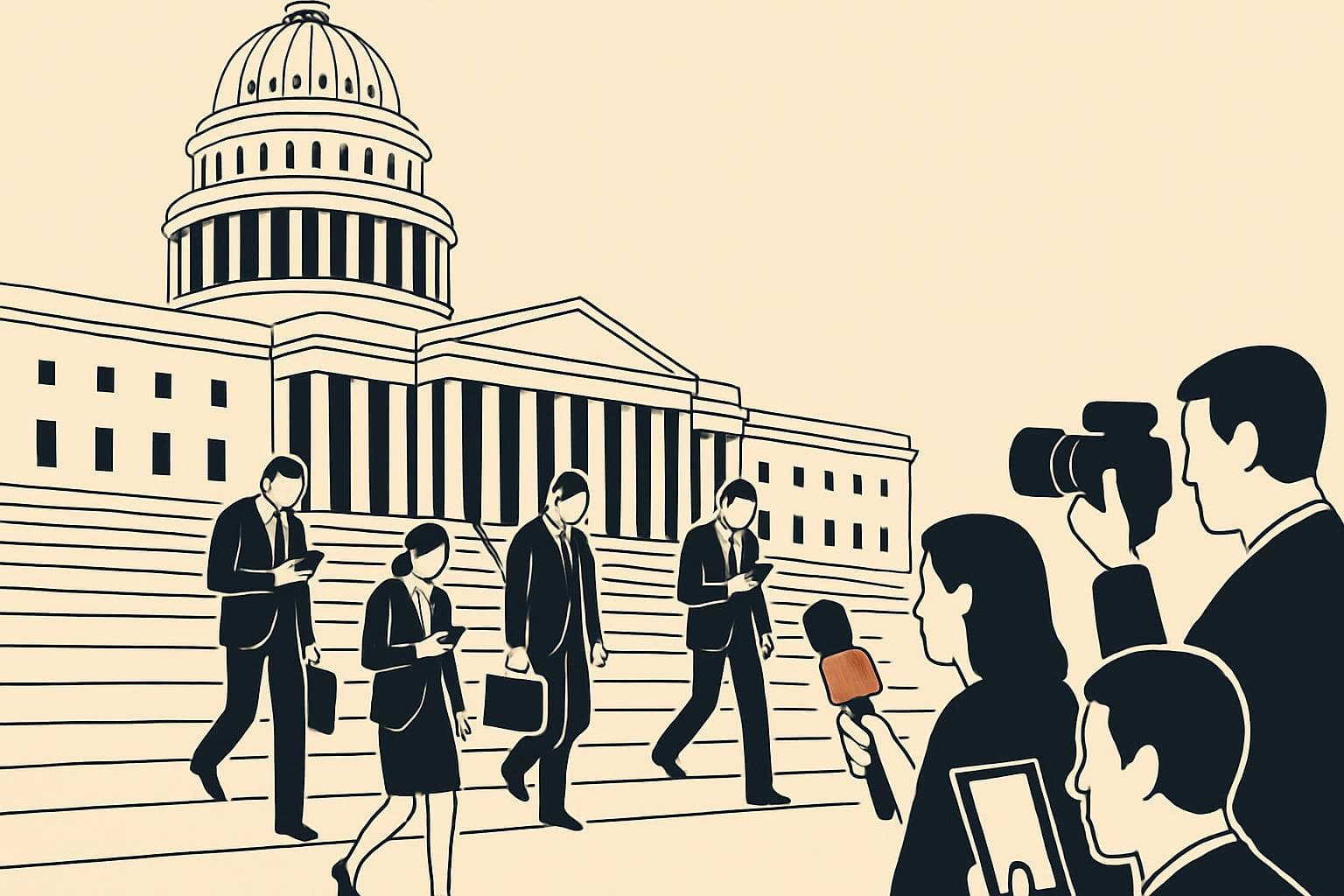
The South African government has pulled back a draft package of artificial intelligence regulations after it emerged that parts of the document were produced with the help of generative AI and contained fabricated academic citations. The Independent reported on the incident, while News24 investigated and identified the problematic references.
The draft included 67 scientific citations in total; according to News24, at least six of those citations do not actually exist, even though the AI that generated the text placed them into real-sounding journals. Once the presence of the bogus references became known, the government withdrew the proposal from public consultation.
Solly Malatsi, South Africa's Minister of Communications, wrote on X that the incident "underscores why vigilant human oversight of AI is essential. We have learned the lesson."
The withdrawn proposal aimed to position South Africa as a hub for AI innovation by offering tax incentives and other supports to encourage companies to build the necessary infrastructure, and by addressing ethical questions around artificial intelligence. Officials say the document will be subjected to thorough human review and is expected to be returned to public consultation afterwards, with stronger checks on AI-generated content.
The episode highlights a broader problem with generative AI systems: they can produce so-called "hallucinations," meaning plausible-sounding but false statements or citations. The government’s decision to retract the draft serves as a concrete reminder to regulators and policymakers that human verification is required when machine tools are used to draft policy documents.