On Monday South Korea unveiled three major programs focused on artificial intelligence (AI), backed by both state planning and private corporate commitments. The government aims to position the country as a leading power in AI hardware, data centers, and robotics.
The plans in brief
- Chips: Samsung will invest about $1.6 trillion in domestic semiconductor fabrication through 2040. SK Group announced an additional contribution of roughly $713 billion.
- AI data centers: SK, GS, and Naver will build a combined 8.4 gigawatts of data‑center capacity by 2028, with the initiative projected to scale beyond $650 billion by 2035.
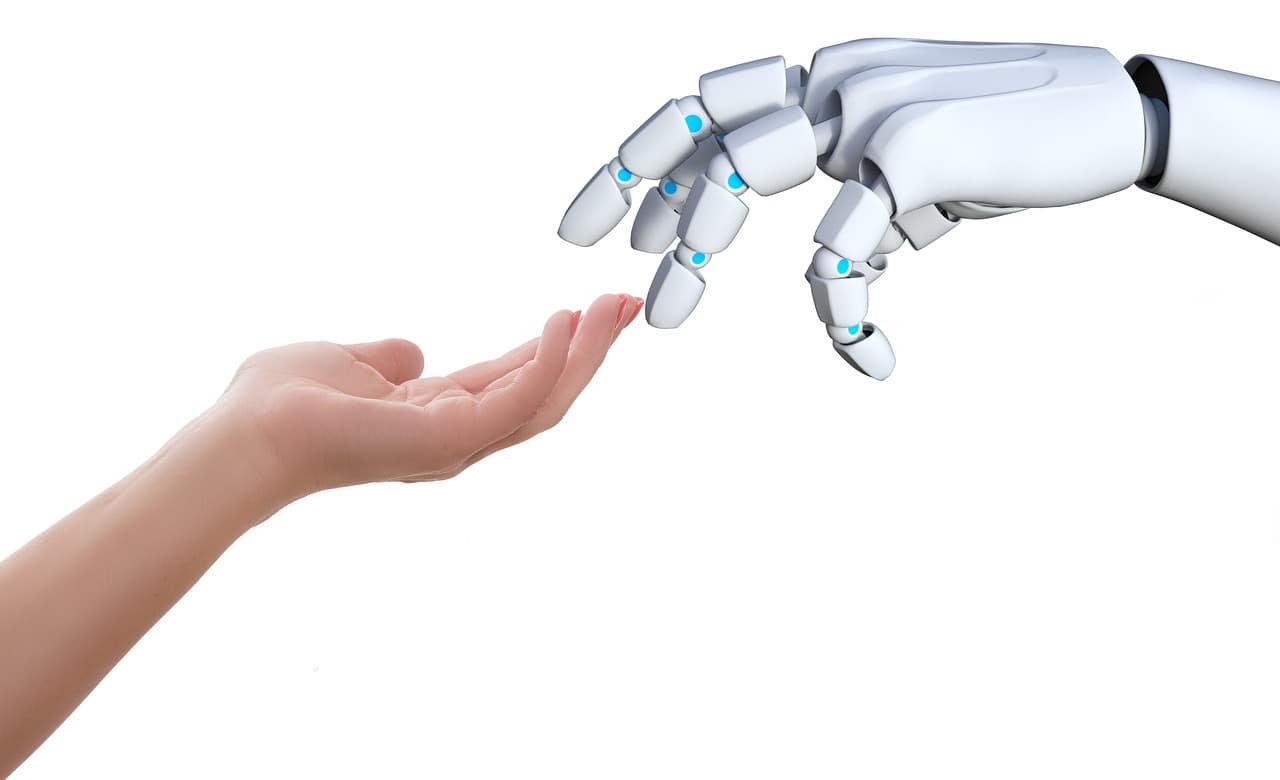
- Physical AI/robotics: the government wants South Korea to be the world’s top power in AI robotics by 2030, and plans for humanoid robots to serve ten industries by 2028.
Why the scale matters
Taken together, the announced commitments approach the scale of South Korea’s annual nominal GDP of $1.93 trillion. This is not merely a sectoral allocation of capital: public and large private actors are coordinating investments to capture the AI supply chain. The coordination includes site selection and guarantees of essential infrastructure such as power and water.
Upside and risks
The potential upside is that South Korea could become indispensable to global compute and AI‑hardware supply. The risk is that concentrating a significant portion of a national economy on one demand curve and technology exposes the country to synchronized market, technological, and cyclical shocks. Few countries have placed a national economic wager of comparable magnitude on a single technology.
Summary
The announcements show that South Korea is not simply increasing AI investment; it is concentrating its economic future on a single grand strategy spanning chips, data centers, and robotics. The coming years will reveal how this concentrated approach plays out economically and geopolitically.