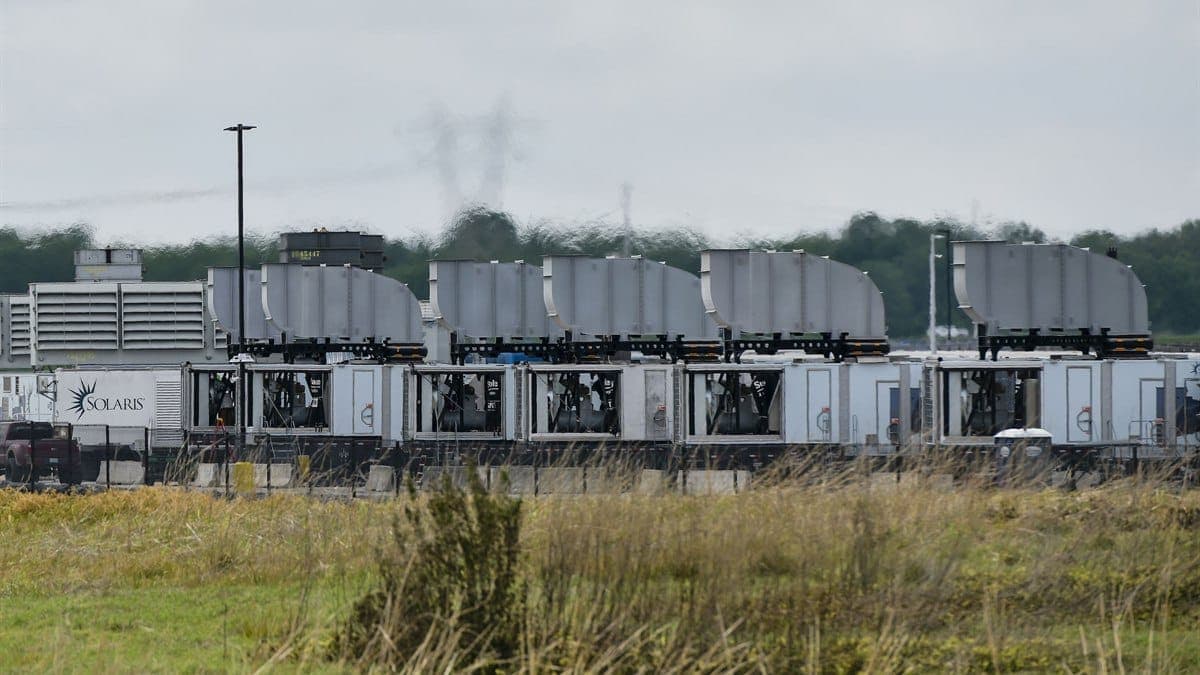
SpaceX is operating 46 gas turbines beside its Mississippi data center, but only 15 of those turbines have permits. Many of the units are mounted on trailers and classified as mobile equipment, a designation that in practice exempts them from parts of the standard permitting regime.
The regulatory gap and why it matters
Classifying the turbines as mobile allows their operators to avoid or delay some air-quality and permitting requirements. Local residents and the National Association for the Advancement of Colored People (NAACP) say this has led to unchecked emissions in an area that already suffers from pollution, and that air quality has worsened as a result.
Local impacts
Critics argue the unpermitted or loosely regulated operation increases pollutant emissions in the surrounding community. The dispute reflects a tension between the urgent power needs of large computing facilities and the slower pace of regulatory review: operators seek rapid solutions while permitting processes often take much longer, producing direct public health and environmental concerns at the site.
Broader context: AI demand colliding with power systems
Observers note this case is symptomatic of a wider pattern: rapid growth in artificial intelligence compute demand creates immediate, large-scale electricity needs that existing public infrastructure and permitting systems struggle to meet. That pressure pushes companies toward temporary plants, private grids, and other fast-deploy options that can create contentious regulatory and environmental situations.
Conclusions
The situation at the SpaceX Mississippi site highlights a governance gap that emerges when companies require power faster than regulators can approve long-term solutions. The challenge ahead is finding a balance between meeting urgent operational needs for compute and protecting local air quality and public health.