SpaceX reported $14.6 billion in revenue for the third quarter, reflecting a strategic shift away from its 100% space‑focused roots toward artificial intelligence and large‑scale data‑center operations. Management said AI‑related activities now account for 52% of the company’s income.
Performance of the "Super Intelligence" business
SpaceX’s renamed "Super Intelligence" segment generated $7.5 billion in revenue during the quarter. That total included contributions from the recently acquired Cursor coding tool, the Grok bot, and the company’s growing neocloud business, which currently operates 1.7 gigawatts (GW) of compute capacity.
The AI business produced $431 million in profit for the quarter; that figure would have been higher if not for $1.2 billion of one‑time stock‑based compensation costs tied to the Cursor acquisition.
Other revenue items
The headline revenue figure was also boosted by roughly $1 billion tied to a recovery in Bitcoin prices and an unspecified related‑party income item that may be linked to a SpaceX investment in another company.
Heavy capital spending: Colossus II and Starship
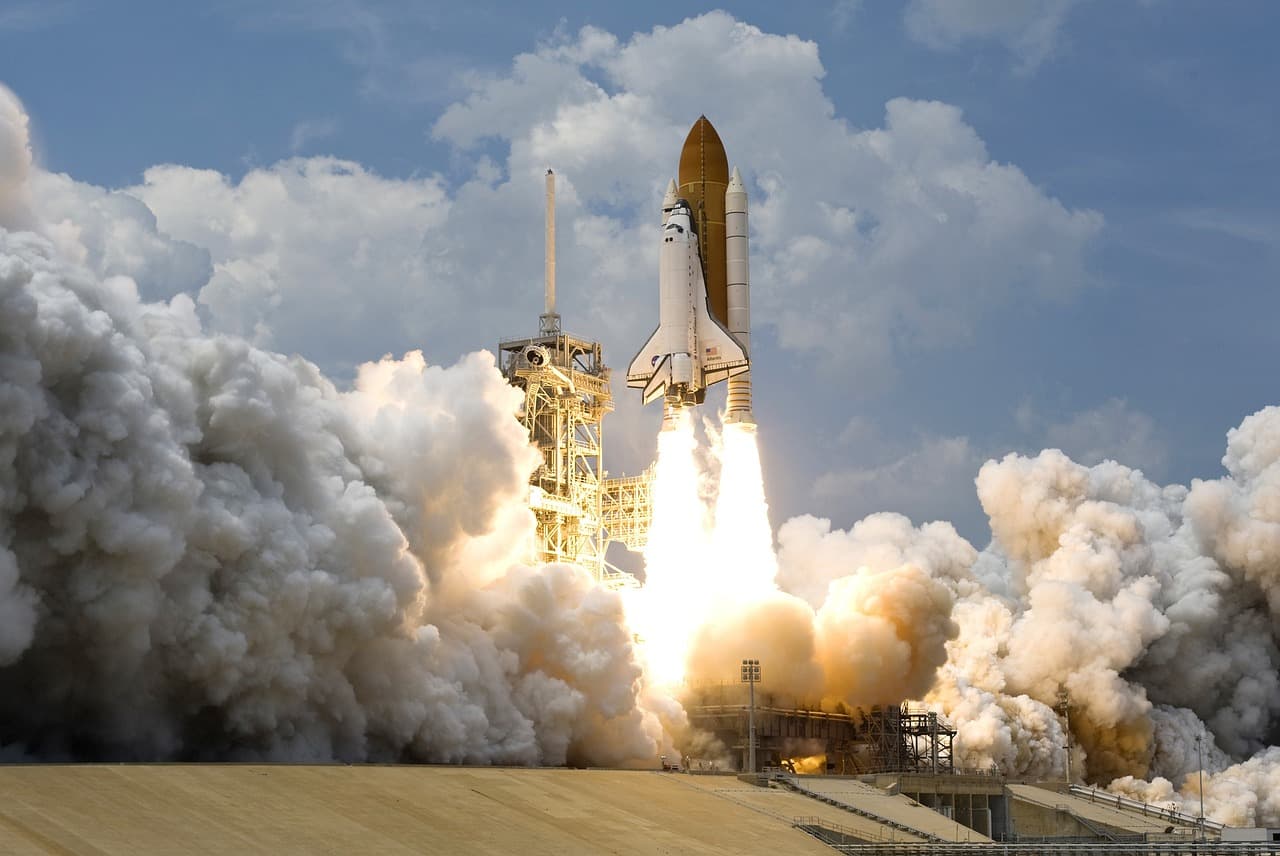
Total capital expenditures for the quarter were $19.6 billion as SpaceX continues to develop its second data center project, Colossus II, and increases investment in Starship, the heavy‑lift rocket the company views as essential for deploying a new generation of Starlink satellites and building orbital data centers.
CFO Bret Johnsen said the company expects to spend $35 billion to $40 billion on new capital investments in the fourth quarter.
Musk in Memphis and infrastructure constraints
During a live‑streamed investor discussion, Elon Musk said he is spending four days a week in Memphis, Tennessee—the site of Colossus II—working to bring the data center online. Musk argued the primary constraints on deploying "super intelligence" today are power, cooling and infrastructure rather than chip supply.
To address those constraints, Musk said he tasked SpaceX engineers with accelerating power and cooling infrastructure deployment. He noted manufacturers of turbines for data centers face 12–18 month delays obtaining metal blades and vanes, and that SpaceX is using its metal‑casting capabilities to produce those components and access turbines more quickly.
Starship test flight plans
Musk said the next Starship test flight, expected in November, will attempt to recover both the first‑stage booster and the second stage. Recovering both segments would be a "massive technology milestone," he said, with the true advance coming when both stages can be reflown.
Starlink subscribers and expected demand
SpaceX also reported growth in Starlink consumer subscribers, reaching 13.6 million users. Musk predicted that the proliferation of AI agents will increase demand for connectivity and further drive Starlink adoption.
Profitability and year‑to‑date performance
Despite heavy capital spending, the quarter’s revenue boost was large enough to return SpaceX to profitability. The company reported net income of $4.4 billion for the quarter, a turnaround from a $1 billion net loss in the same quarter last year. However, for the first nine months of the year the company still recorded a net loss of $413 million.
Management forecasts
Elon Musk expressed a highly bullish view for the Super Intelligence segment, forecasting that SpaceX’s annual recurring revenue (ARR) by the end of 2027 will be "somewhere between $500 billion and $1 trillion."
More concretely, CFO Bret Johnsen forecast total revenue for the first quarter of 2027 in the range of $33 billion to $37 billion.
Conclusion
SpaceX’s third‑quarter results underscore the company’s pivot toward AI services and large‑scale compute infrastructure while continuing to pursue ambitious capital projects. The quarter produced a substantial revenue increase and returned the company to profit, even as management budgets large additional investments to scale data centers, Starship development, and related infrastructure.