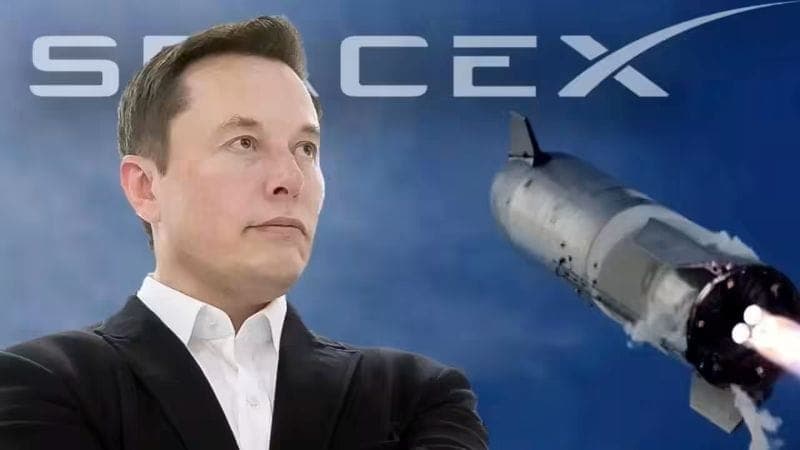
SpaceX has filed its S‑1 with the U.S. Securities and Exchange Commission (SEC), proposing to raise $75 billion at a $2 trillion valuation. The company plans to list under the ticker SPCX on Nasdaq, with a first trading day set for June 12.
Scale and comparison
If completed as proposed, this would be the largest initial public offering ever. The current record-holder, Saudi Aramco, raised $29.4 billion in 2019; the amount SpaceX is targeting is nearly three times larger.
Changing identity: from rocket company to AI infrastructure provider
The filing presents SpaceX as more than a traditional space company. After absorbing xAI in February, the company frames itself as a vertically integrated provider of hardware and connectivity for AI: rockets would deploy orbital data centers, Starlink would provide connectivity, and xAI’s Grok would run on that infrastructure.
SpaceX cites a total addressable market (TAM) of $28.5 trillion in the filing, with 93% of that TAM attributed to AI — a figure larger than the annual GDP of the United States.
Financials disclosed in the filing
According to the filing, SpaceX reported $18.67 billion in revenue for 2025. The company also recorded substantial AI-related capital expenditures of $12.7 billion, and a net loss of $4.9 billion.
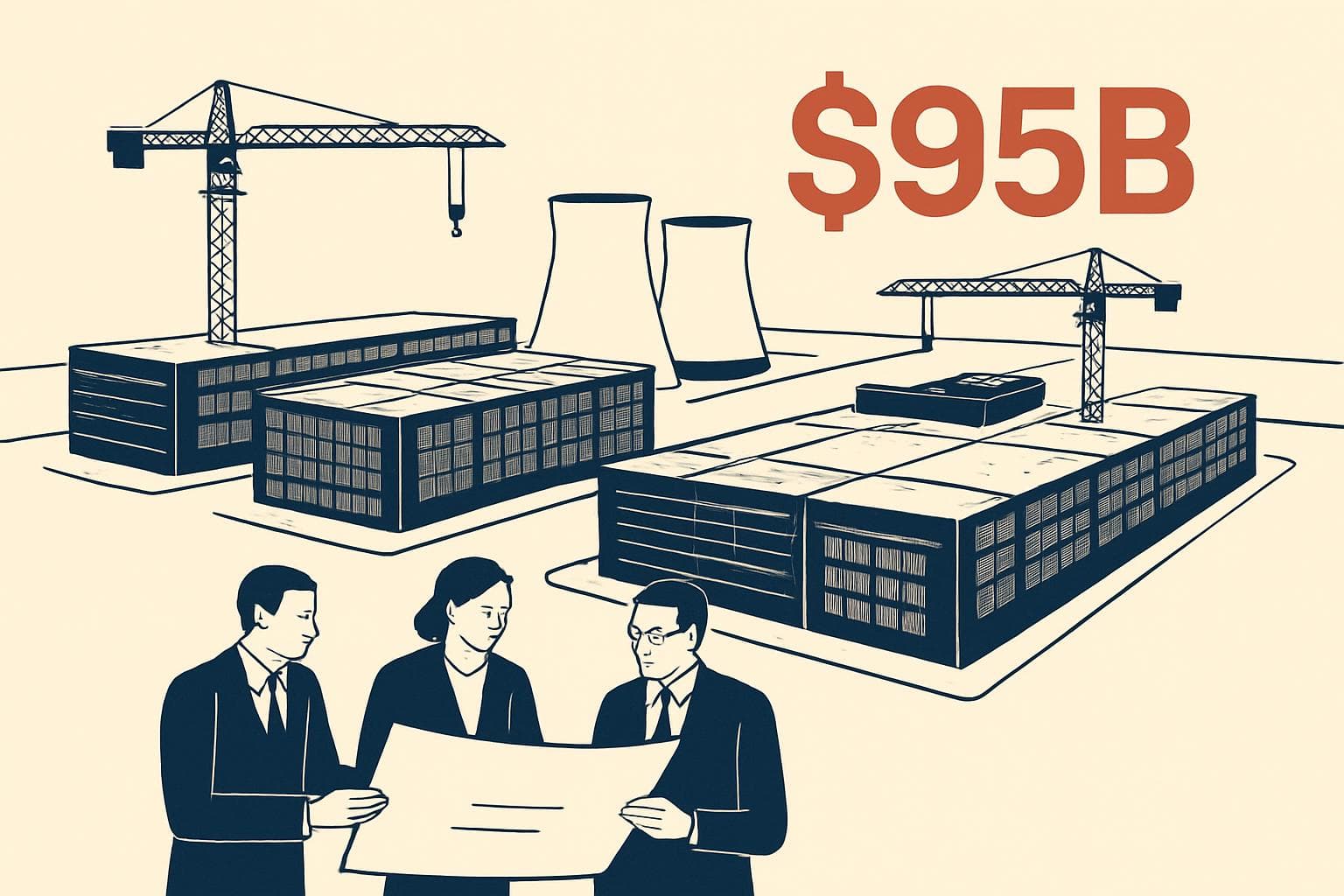
The S‑1 makes clear that the offering is aimed less at valuing current financial performance and more at raising capital to underwrite a very expensive, long-term infrastructure vision.
Why this matters
The filing indicates that this is not merely a space company going public, but a bid to fund a single entity’s control over the physical layer of AI—from ground networks to orbital data centers. If SpaceX secures the targeted capital, its ability to pursue that integrated infrastructure strategy would increase dramatically.
Because of the scale, the market sizing, and the stated investment priorities, the S‑1 is significant not only for market participants but also for stakeholders across the AI and space industries.