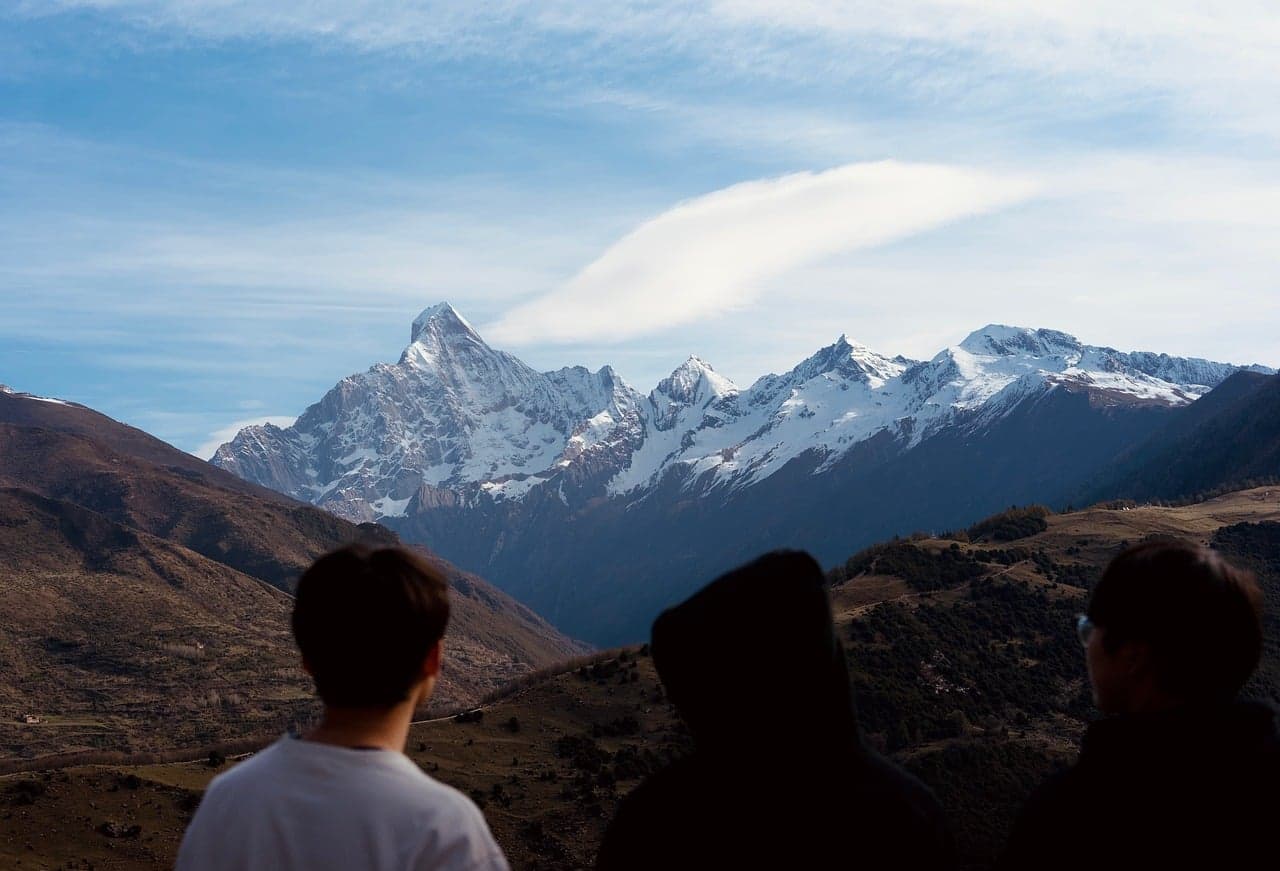
Major technology firms including Amazon, OpenAI and Google are exploring Patagonia — a region spanning parts of Argentina and Chile — as a potential site for large data centres. Patagonia hosts roughly 17,300 glaciers, and investors view the area’s cold climate and available energy resources as attractive for hyperscale computing facilities.
Why Patagonia is attractive
- The cold environment would lower cooling requirements for data centres, reducing direct energy consumption. However, waste heat generated by facilities could adversely affect glaciers that are already retreating.
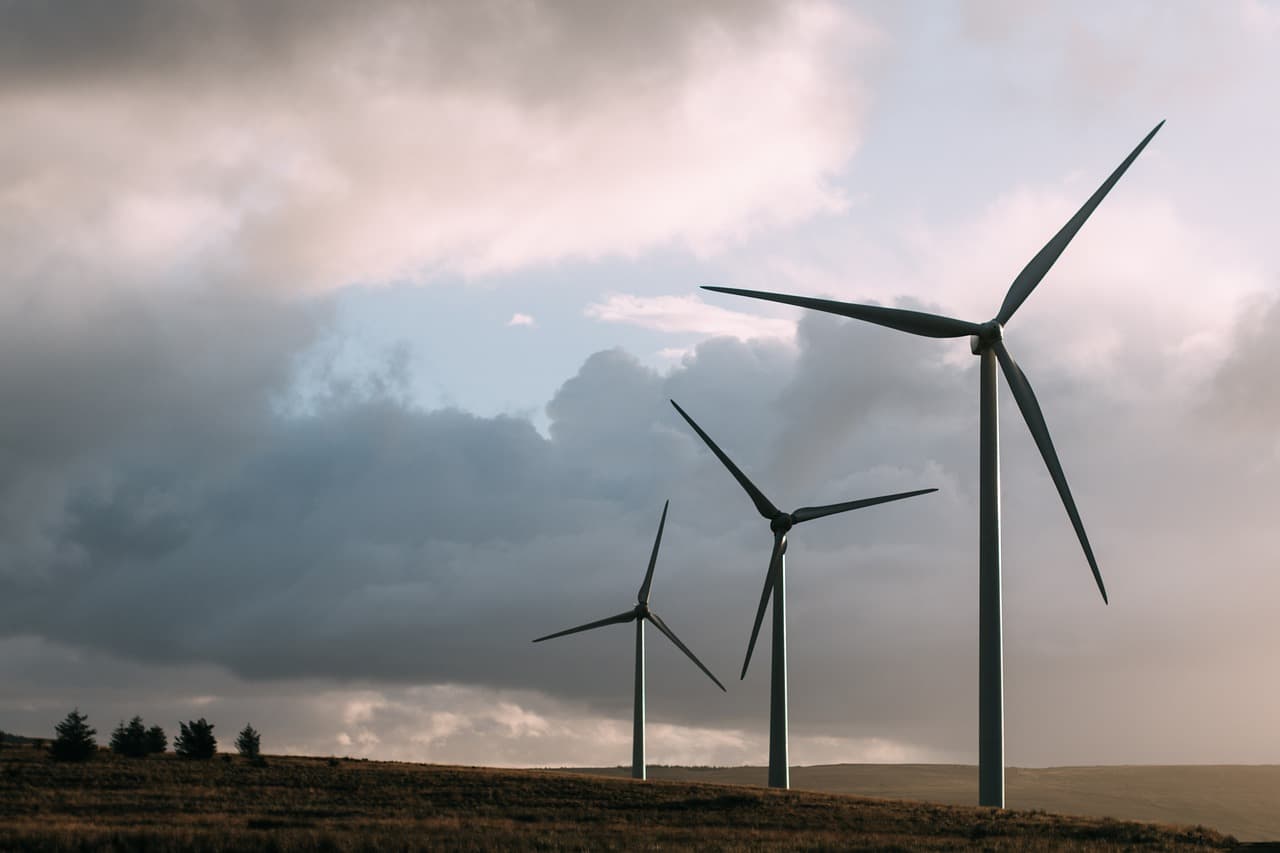
- According to Reuters, proposed electricity sources for such developments would include hydroelectric power, wind energy and available shale gas; in some locations photovoltaic solar has also begun to be deployed.
Reported project plans and costs
Reuters reports that OpenAI is considering building a 500 MW, clean‑energy data centre in Argentina, a project valued at about $25 billion in the cited account. Polish company Green Capital plans a separate 300 MW data centre in Patagonia, with an estimated cost of roughly $3 billion.
Infrastructure, social and political challenges
Before advancing, companies would need to resolve practical issues such as extending network connectivity to remote sites and finalising how to source and manage the required electricity. They must also address the needs and rights of indigenous communities living in Patagonia.
Politically, there is currently limited organized opposition to data centre projects in Argentina: President Javier Milei is not fundamentally opposed to large technology investments. Nevertheless, the outcome of the 2027 Argentine presidential election could change the political environment, and such uncertainty may discourage major corporate investments.
Environmental concerns
A central tension in the debate is environmental impact. While the region’s climate reduces cooling energy needs, the cumulative effects of waste heat and local energy infrastructure could harm glaciers and other ecosystems. Policymakers and companies will need to balance the economic benefits of infrastructure and investment against these environmental risks.
Conclusion
The Reuters account outlines significant potential investments in Patagonia, with projects of hundreds of megawatts and multibillion‑dollar price tags under consideration. Yet technical, social, political and environmental questions remain unresolved and will shape whether and how such data centre developments proceed.