The latest Ipsos–Hedepy Mental Health survey shows that a large majority of Hungarian adults experienced mental or emotional difficulties in the past year that affected their daily lives. The survey was conducted in September 2026 across six Central and Eastern European countries — the Czech Republic, Slovakia, Poland, Hungary, Lithuania and Romania. In Hungary, 1,010 respondents aged 18–70 completed the online questionnaire; the sample is not representative by gender, age and region.
According to the findings, 81 percent of respondents reported that emotional problems impacted their life over the past year. Women were more affected (84 percent), and younger generations were particularly exposed: 86 percent among Generation Z and Y versus 68 percent among baby boomers. Temesvári Eszter, psychologist and Hedepy’s community manager in Hungary, noted that these differences reflect varying attitudes toward mental health and help-seeking across generations.
Which issues are most common?
Stress ranks first (52 percent), followed by financial worries (36 percent), anxiety (31 percent) and workplace pressure (28 percent). Overall, 67 percent of respondents reported internal emotional difficulties, and 57 percent experienced existential tension. Women indicated a higher average number of problem areas (3.2) compared with men (2.6).
Temesvári Eszter emphasized that younger generations are trying to build livelihoods in an uncertain economic environment while facing high expectations, and that the higher rates among women reflect added societal pressures such as the “second shift,” family care responsibilities and workplace demands.
Many are left alone — cost, not stigma, is the main barrier to seeking help
The survey found that most Hungarians were left to cope on their own: 65 percent wanted to talk about their feelings in the past year but did not. Silence was not primarily driven by shame — only 11 percent said they were ashamed of their problems. More common reasons for not speaking up were having no one to talk to (24 percent), not wanting to be a burden (17 percent), or being unable to put feelings into words (16 percent).
Stigma is also not the principal obstacle to accessing professional care: only 24 percent of the population are completely opposed to therapy. The real barrier is financial: therapy costs deterred 38 percent, a much more frequent obstacle than shame (8 percent). This is compounded by difficulties finding an appropriate professional (62 percent).
Temesvári Eszter observed that social taboos are diminishing, but many remain separated from recovery by loneliness and financial constraints.
AI as quick emotional support — sharp generational divide
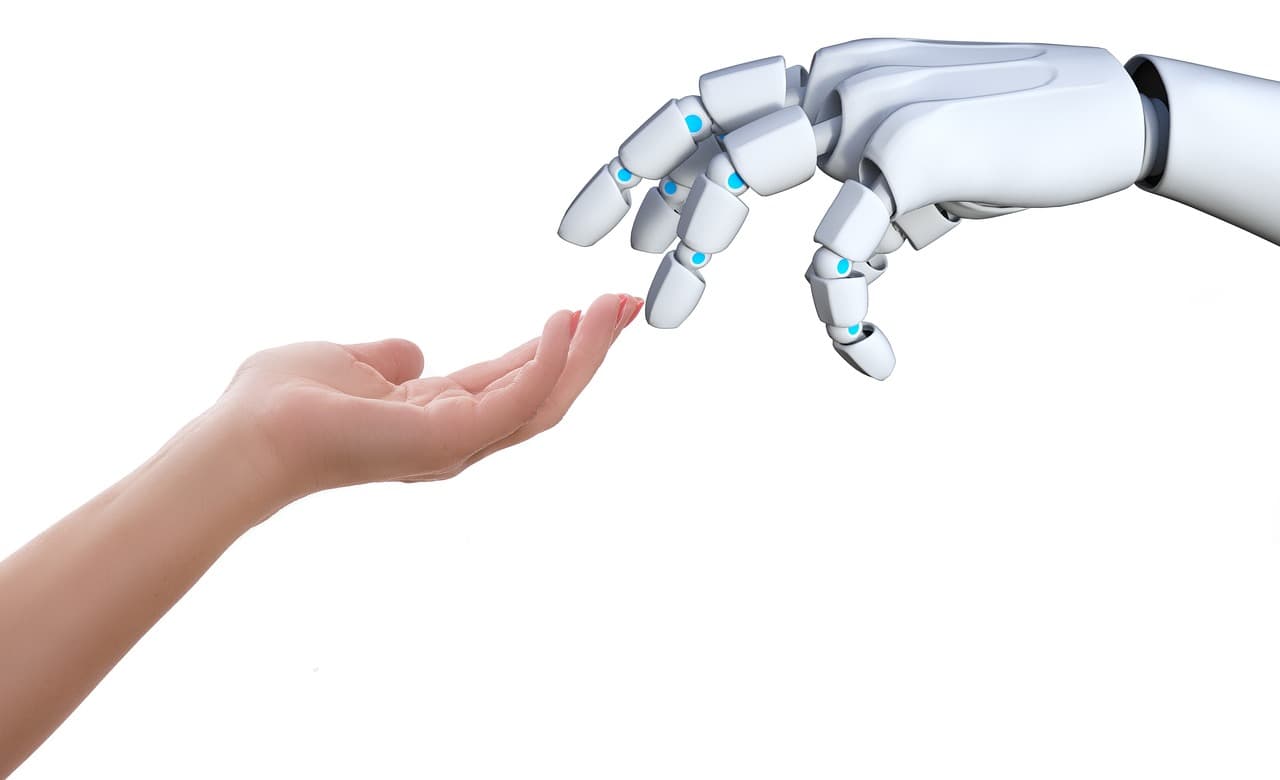
The gap created by staff shortages and high costs is being partly filled by technological solutions: 42 percent of respondents have already turned to some form of artificial intelligence–based tool for emotional support or advice. The generational divide is stark: 62 percent of Generation Z use AI as emotional support, compared with 22 percent of baby boomers.
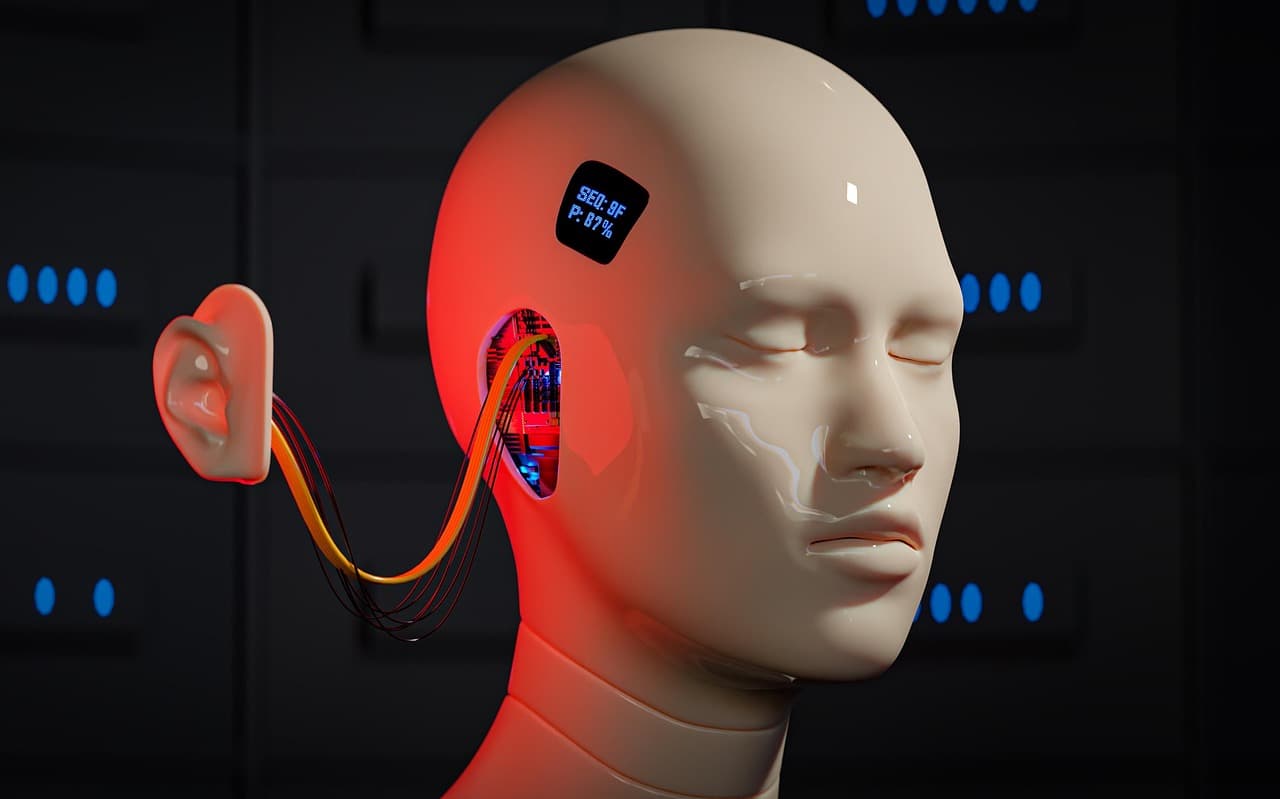
The survey highlights that while chatbots and other AI tools can provide rapid help for many, experts warn of risks if such tools lacking empathy and diagnostic capacity are used as substitutes for psychotherapy. At the same time, the majority of respondents still prefer human, in-person professionals; they see digitalization’s role as bridging the shortage of specialists by offering more accessible and safer online forms of care rather than replacing psychologists.
Why this matters
The survey underscores that mental health problems affect broad segments of Hungarian society, and addressing access and affordability is essential to any solution. Growing use of AI for emotional support raises both opportunities and risks: effective responses will require regulation, professional oversight and development of accessible, high-quality services.
(Source: Ipsos–Hedepy Mental Health survey, September 2026; Temesvári Eszter, psychologist and Hedepy’s community manager in Hungary.)