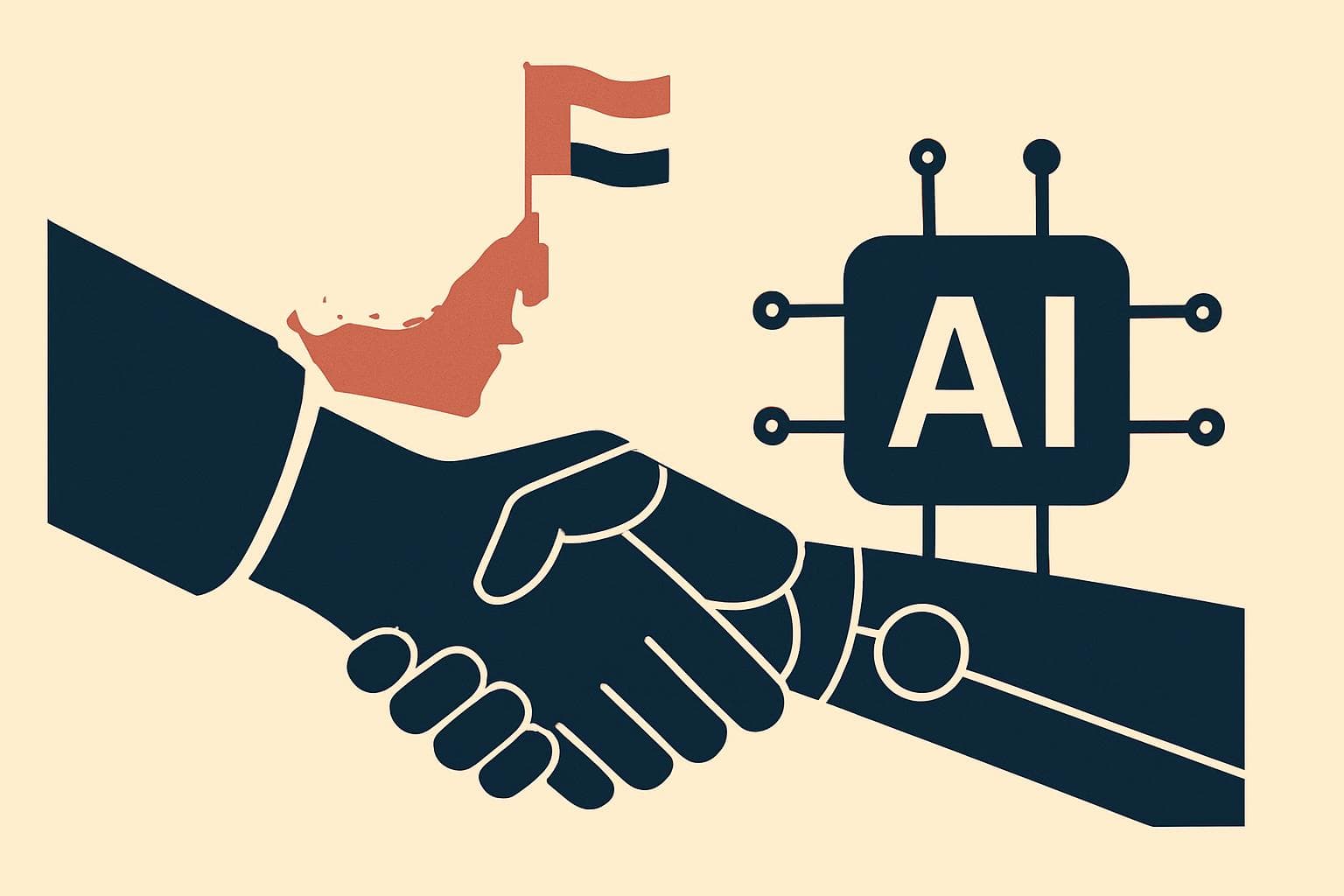
The United Arab Emirates (UAE) is deepening its collaboration with Microsoft as the government pushes to meet its own deadline to automate at least half of public-sector work using AI agents. Microsoft’s Copilot software is already deployed on the computers of 35,000 Abu Dhabi government employees.
Role of Inception42 and intended uses
Inception42, a subsidiary of Abu Dhabi AI conglomerate G42, is developing agents designed to work with Microsoft’s AI platform to support operational tasks. Among other functions, these agents will assist procurement by securing goods and services in appropriate quantities and at competitive prices to keep government operations running smoothly.
Ashish Koshy, CEO of Inception42, told Semafor: “Success is when it’s invisible,” emphasizing the aim for automation that operates seamlessly and without disruption to everyday public services.
Why this matters
With a population of about 11 million, the UAE is relatively small but represents a meaningful test case for automating government services at a time when many countries are taking a more cautious approach to deploying AI tools. If successful, the UAE’s implementation could serve as a model for other governments considering similar moves.
Microsoft’s commitment and strategy
Microsoft already has substantial ties to the Emirates: it has committed $15.2 billion to the country by 2030 and acquired a stake in G42. Microsoft President Brad Smith previously told Semafor that the company has broad ambitions for the UAE, viewing it as a gateway for computing power and data storage across the wider region.
Summary
The expansion of cooperation between Microsoft and the UAE—from rolling out Copilot to building integrated AI agents through Inception42—aligns with the government’s ambitious automation goals. The project’s success will be judged not only by technical integration but by how unobtrusively and reliably AI can handle routine public-sector tasks.