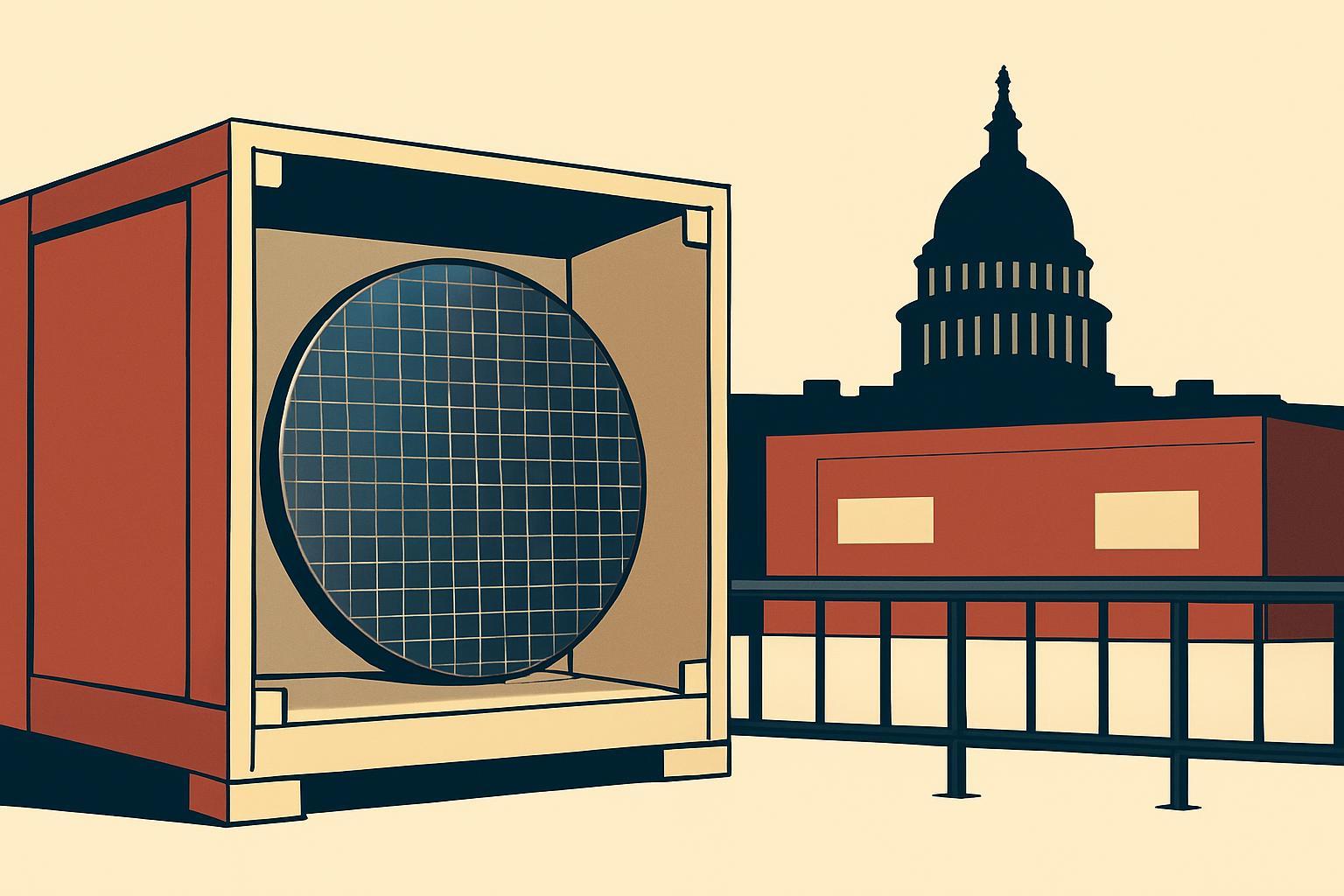
US lawmakers have accelerated proposals to restrict exports of advanced artificial intelligence chips to China after the disclosure of Nvidia founder Jensen Huang’s relationship with a woman suspected of spying for China. According to the Financial Times, the bipartisan measures would tighten foreign sales and give Congress authority to review and block deals already approved by the Trump administration.
Huang, who had previously lobbied for looser export restrictions, resigned earlier this week after his extramarital relationships became public. One of the women involved, Alice Huang, headed Megaspeed, a Singapore-based company that was an Nvidia customer. US authorities have been investigating for more than a year whether the company smuggled chips to China; Alice Huang is suspected of working for Chinese intelligence.
Cloud access also targeted
The restrictions were already under consideration, but political anger over the Megaspeed case has given them fresh momentum. One proposal would bar Chinese companies prohibited from buying physical chips from accessing powerful hardware located abroad remotely through cloud services. Such chips are important for training the most advanced artificial intelligence models.
On Friday, three senior Republican lawmakers – the chairs of the China, foreign affairs and intelligence committees – called for the immediate passage of bills tightening export controls. To assess the national security risks, lawmakers summoned Huang, Nvidia general counsel Tim Teter and Jeffrey Kessler, the commerce official responsible for export controls, to a congressional hearing.
Measures could be attached to defense bill
The proposals have the support of Mike Johnson, the outgoing Republican speaker of the House, and his expected Democratic successor, Hakeem Jeffries. Lawmakers are expected to attach the restrictions to the annual defense budget legislation, the NDAA. Because the legislation funds defense spending and must be passed, a presidential veto is considered unlikely.
The current Republican-majority Congress is expected to consider the package before newly elected lawmakers take office in January following the November midterm elections.
Lawmakers are also seeking an explanation from Commerce Secretary Howard Lutnick for how he allowed Nvidia to do business with Megaspeed. The Commerce Department delayed adding the Singapore company to a blacklist of businesses considered national security risks. Treasury Secretary Scott Bessent said on Friday that his department had supported the listing for months.