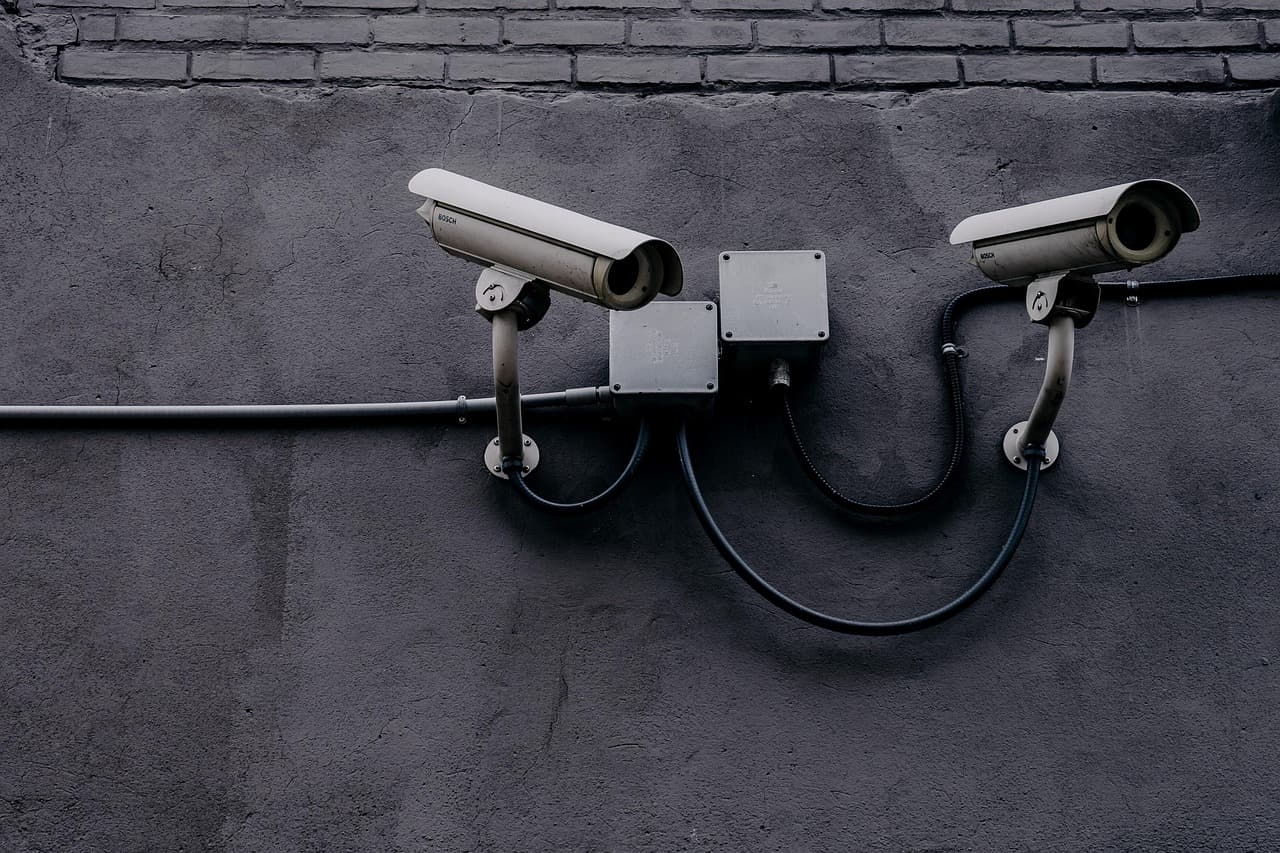
Over the past 25 years the United States has invested billions of dollars in building a so-called “virtual wall” — a network of surveillance towers intended to detect people crossing the southern border, enable apprehensions and save lives. A major investigation by MIT Technology Review has found that those goals have repeatedly not been met.
According to the investigation, more than a thousand people moved through areas monitored by these towers without being reached or apprehended, and later died in those borderlands. Some of those deaths occurred in locations monitored by newly installed, AI-powered towers that were designed to detect people automatically.
The findings expose a more visible humanitarian crisis than was previously documented and highlight repeated failures in the basic security promise of the virtual wall. Despite the scale of spending and deployment, the technology and operational response often did not prevent people from passing through monitored zones and dying there.
A panel discussion examining these failures and the human stories behind them was recorded on September 28, 2026. Participants were Mat Honan, editor in chief of MIT Technology Review; James O’Donnell, the outlet’s senior AI reporter; and Eileen Guo, senior features and investigations reporter.
Why this matters
- Scale and duration: after roughly 25 years and billions in expenditures, the surveillance network has not reliably prevented fatal border incidents.
- AI-enabled systems: some victims passed through areas covered by newly deployed AI-powered towers, raising questions about the reliability of automated detection and the response processes that follow an alert.
- Humanitarian impact: the documented cases — numbering in the thousands of people who moved through monitored areas and over a thousand who later died there — point to a significant human cost that requires policy, operational and ethical scrutiny.
MIT Technology Review’s reporting includes a comprehensive map of deaths along the virtual wall and proposes ways to address the failures it identified. The recorded conversation and the full investigation aim to clarify why the system did not perform as intended and what steps might reduce future tragedies at the border.