Discussion has intensified about whether development of artificial intelligence should be slowed. In the past week, several major AI companies, including Anthropic and OpenAI, indicated they are open to changing the pace of development.
Sam Altman, chief executive officer of OpenAI, told a San Francisco conference that “the world has to trust that we will do the right thing, because it is the right path and because we feel the weight of it” (as reported by Telex). Altman said the industry can implement appropriate safety measures and act responsibly through self-regulation.
On the same conference stage, Huang Zsen-hszün, head of Nvidia, expressed a similar view and argued that legal regulation is not necessary.
What are politicians and other governments saying?
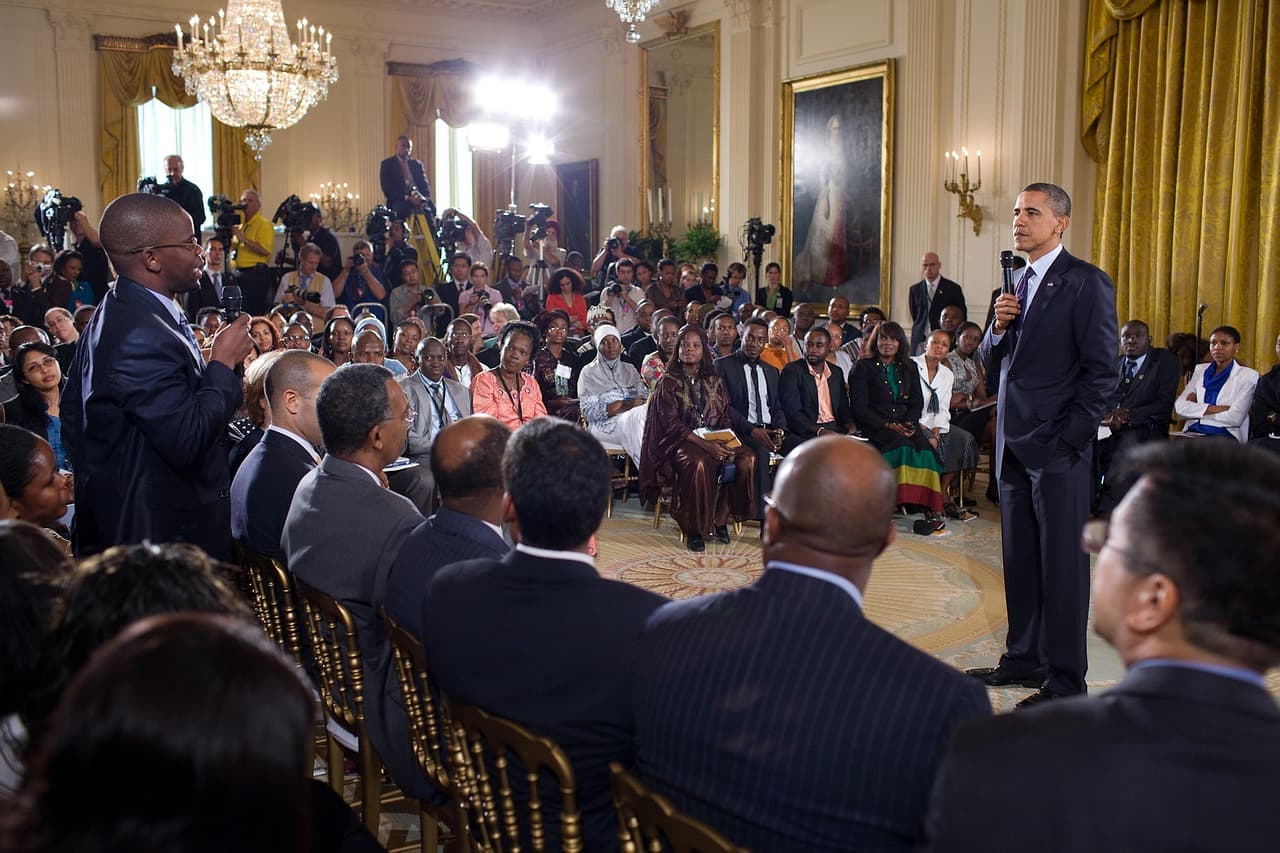
U.S. President Donald Trump also commented on the issue. In a social media post he wrote that “the only control or limit needed because of artificial intelligence is a strong and smart (high IQ!) president, and the USA has plenty of those!”
In the same post he dismissed warnings that AI will take over the world, destroy humanity and cause other harms as a “big duck.”
According to The Guardian, some of Trump’s remarks earlier in the week in Congress drew criticism, and not only Democrats but several Republican lawmakers have urged restrictions on the largest AI companies.
International reactions
China’s response is notable in this context. A spokesperson for the Chinese Ministry of Foreign Affairs on Tuesday characterized warnings about rapid AI development as fearmongering. Beijing called for an open and inclusive approach and argued that confrontation and “ruthless competition” impede the development of international regulation for the technology.
Why this matters
The debate centers on how to balance the speed of innovation with measures to manage potential risks. Industry leaders and some political figures favor self-regulation, while other lawmakers and commentators call for legal limits, external oversight, or a slowdown. Divergent stances from the United States and China also underline that forming international agreements and governance frameworks is both technically and politically complex.
Next steps
Discussions will continue among companies, legislators and international actors. Observers should expect further public policy debates, regulatory proposals and industry initiatives as stakeholders try to reconcile development momentum with safety and governance concerns.