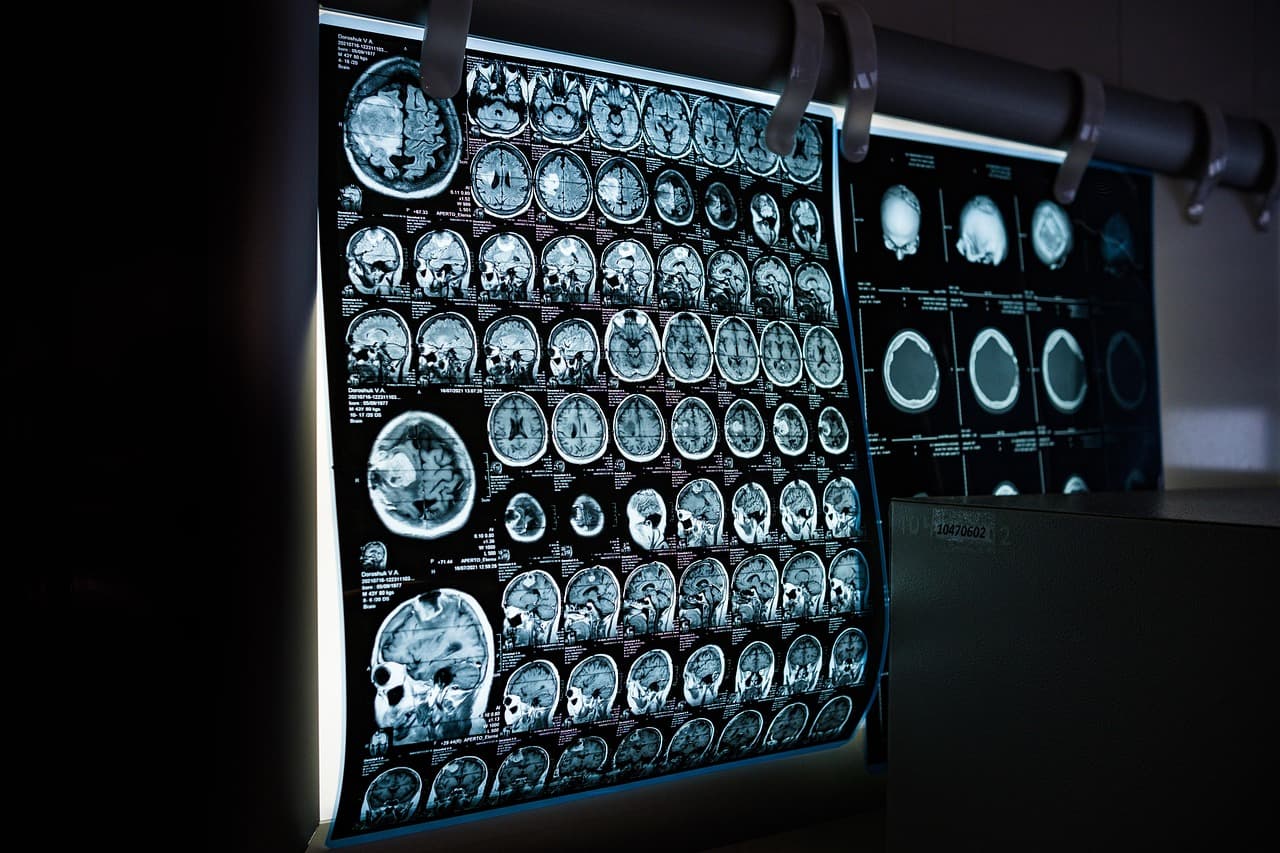
Vivienne Ming, a theoretical neuroscientist and lead researcher at the Possibility Institute, told Business Insider that although regular use of artificial intelligence tools does not by itself cause dementia, systematically offloading thinking to AI could, over time, weaken the brain's cognitive reserve — the capacity that helps the brain adapt and remain resilient against aging or injury.
Ming emphasizes that the real danger lies not in how often people use AI, but in how they use it. Routinely delegating the mentally demanding parts of tasks to external systems reduces a person's own cognitive activity, meaning their neural networks get less practice. She describes the phenomenon in terms of a ‘‘use it or lose it’’ dynamic, and said she is particularly concerned about younger generations developing such habits.
Research examples and analogies
Ming compared the effect to GPS reliance: a 2020 study at McGill University in Montreal found that longtime GPS users performed worse on spatial memory tasks when navigating independently. Similarly, an MIT Media Lab experiment last year, conducted over four months, reported that participants who used large language models to write essays displayed weaker neural activity than peers who used search engines or worked without aids. The study also noted that individuals relying on AI often could not accurately recall passages they themselves had written minutes earlier.
In both cases Ming sees cognitive offloading at work: people hand over the demanding part of a task to an external system, so their own neural networks are not driven to active engagement. This can particularly disadvantage the hippocampus, important for memory and learning, and prefrontal networks that regulate attention, self-control and decision-making — regions that are central to cognitive aging.
Epidemiological links and missing causal biomarkers
Ming points out that lifelong mental activity and reduced dementia risk are among the best-documented findings in neurology. She cites the English Longitudinal Study of Ageing (ELSA): its 2020 analysis of data from more than 12,000 adults over 50 found that those with higher cognitive reserve had a 35 percent lower risk of developing dementia than peers with more modest cognitive reserve.
However, Ming stresses that there are not yet biomarker studies demonstrating a direct causal link between AI use and dementia onset. Existing data primarily indicate correlations or are based on short-term observations.
Why study younger cohorts now?
Ming argues that research should begin now on younger cohorts while their digital and cognitive habits are still forming. She warns that waiting for direct, long-term dementia data could mean an entire generation has already entrenched cognitive patterns that may be difficult to reverse later.
Ming's message does not deny that AI tools can be beneficial; rather, she urges attention to how those tools are used. Maintaining cognitive abilities and potentially lowering dementia risk requires ongoing, active mental engagement and ‘‘exercise’’ of the brain.