Adopting artificial intelligence is often more a matter of organisation and risk management than pure technology. Sárasi Kata, IT Compliance & Resilience Manager at Norsk Hydro, says company size strongly influences whether AI remains a supplementary tool or becomes critical infrastructure. Smaller firms can frequently rely on an internal policy for AI use, while larger corporations build multi-layered, automated control systems — especially to meet data protection and explainability requirements.
As organisations grow, emphasis tends to shift from pure innovation toward risk management. In practice this means larger companies, because of regulatory and security needs, often develop closed, in-house systems, while smaller businesses typically seek ready-made, off-the-shelf software to achieve quick improvements.
The "low-hanging fruit": AI applications that deliver quick gains
The three interviewed experts agree that immediate, measurable benefits usually come not from fully automated factories but from taking repetitive cognitive work off people's plates. Kiss Barna, CEO of Pilous Hungary Kft., lists areas where AI can be deployed relatively quickly after proper preparation:
- Customer service: chatbots, automated confirmations, handling repetitive inquiries.
- Sales: proposal generation, follow-up emails, faster production of presentations and reports.
- Manufacturing and logistics: document processing and administrative tasks, managing work instructions, preparing production plans.
- Finance: invoice processing, document management, reporting.
- Procurement: monitoring and summarising raw material trends, inventory support.
- Quality management: complaint handling, preparing 8D drafts, analysing returns.
Kiss Barna emphasizes that leaders should identify points in their operations where AI can be implemented fast and with measurable impact.
The zeroth step: education and organisational capability
Both Kiss Barna and Illés Kata highlight that building organisational knowledge is a prerequisite for successful AI adoption. Kiss argues that without basic AI literacy in the organisation, the listed opportunities will remain theoretical. Education is the precondition: it is not enough for an organisation to use AI — it must understand how and why.
Illés Kata, co‑founder and AI architect at Indivizo, expresses a similar idea: "AI starts where you stop" — meaning organisations should first consider which tasks to stop doing manually and automate instead. She gives a recruitment example: where previously 10–15 interviews were held for a single role, AI pre-screening reduced that to 2–3 interviews. That frees up 20–30 managerial hours in a single round while improving decision accuracy.
Illés adds that organisations should begin by using AI in places that speed up, objectivise and base decisions on data, rather than starting with high-level AI strategies.
Practical next steps and event information
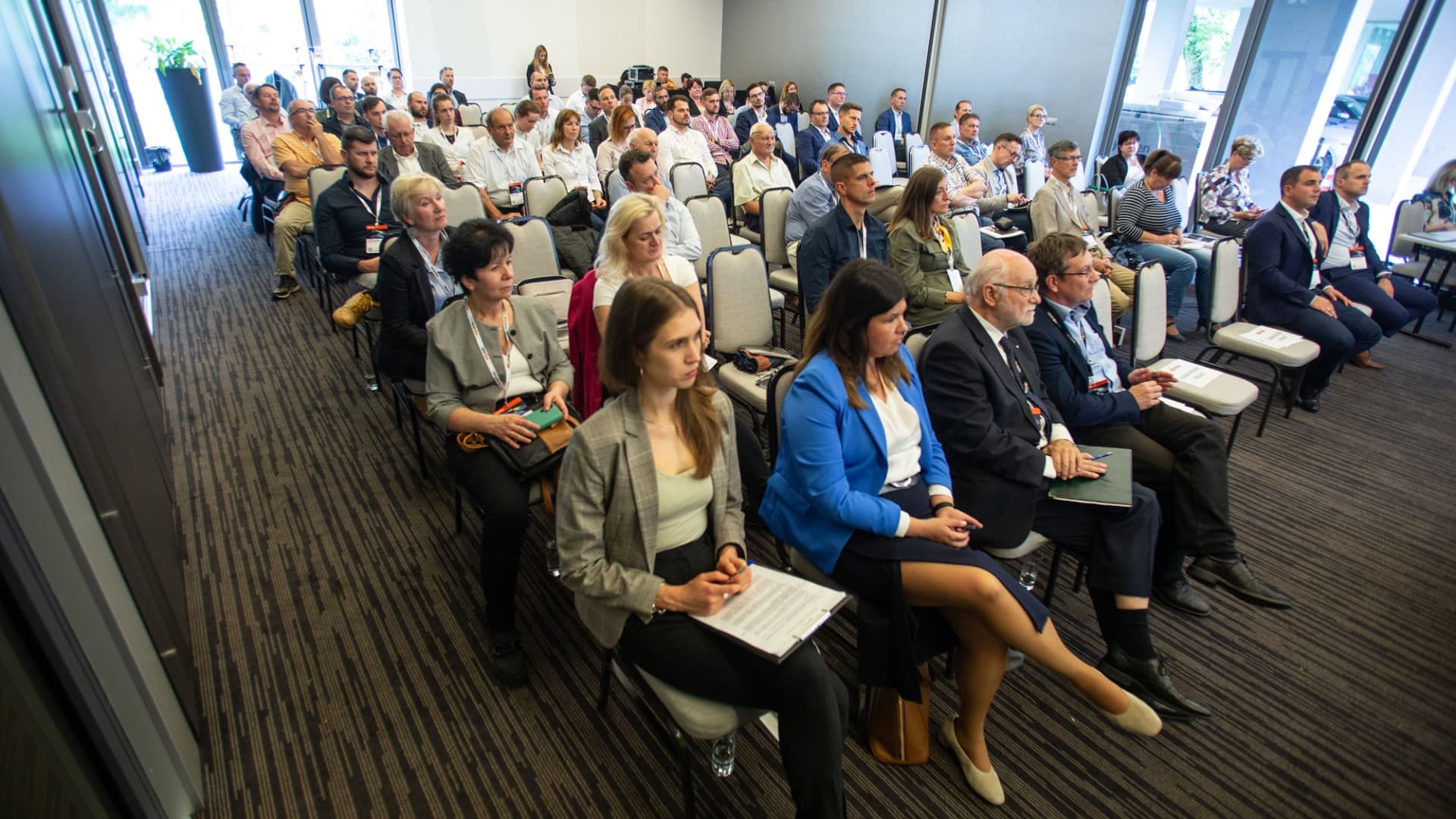
The Portfolio Székesfehérvár SME Forum is one stop on Portfolio’s regional roadshow: the half-day event aims to provide practical answers to the most pressing questions facing Hungarian small and medium-sized enterprises — from operational improvements and productivity to workforce challenges and financing. The speakers mentioned in this article will present at the forum; registration is still open at the time of publication.
In short: the most accessible AI gains are in routine administrative and decision-support tasks, but achieving them requires organisational education. Company size determines the level of control and risk management: small firms may operate with simple policies, while large firms deploy multi-tiered automated controls.