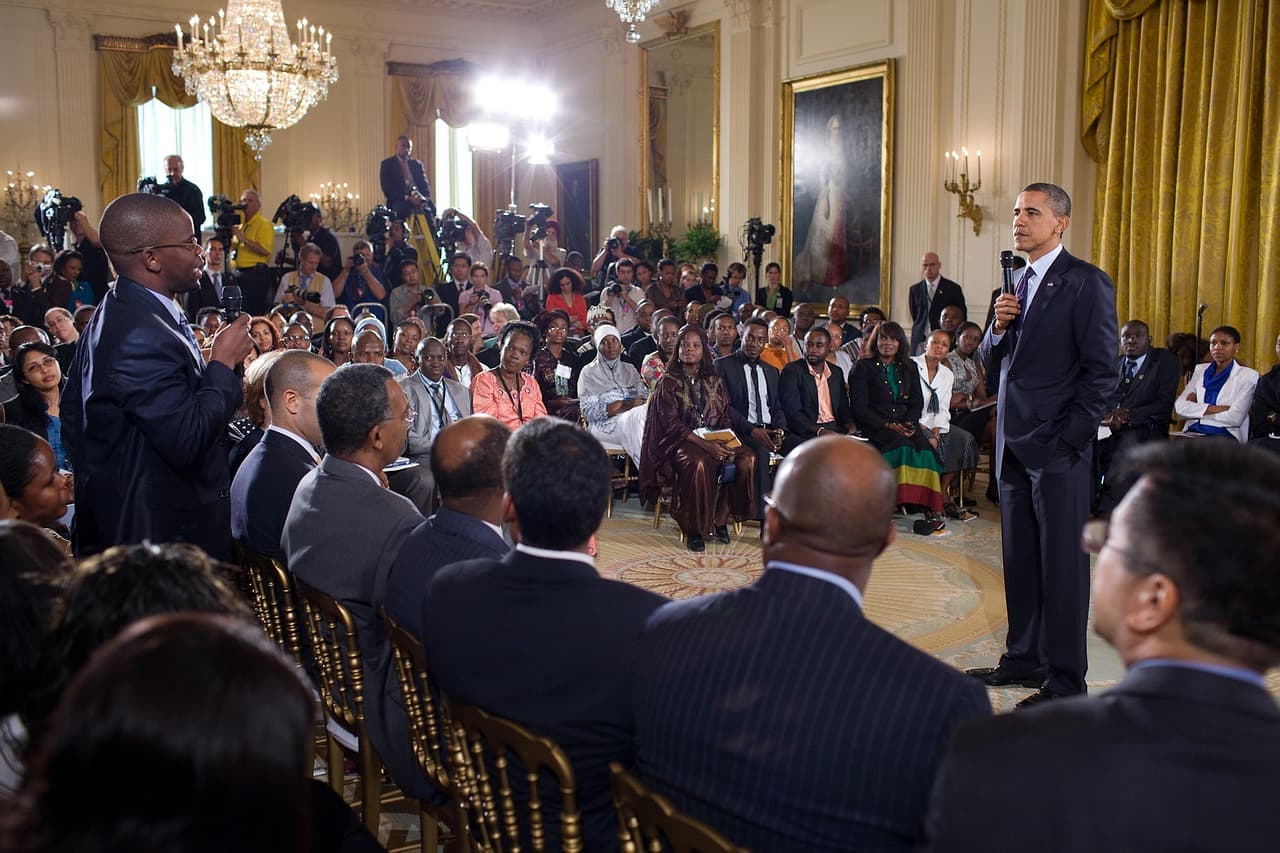
The White House says it has discussed a framework with OpenAI and Anthropic to evaluate the cybersecurity risks posed by "frontier" — the most advanced — artificial intelligence models. Under the arrangement, the most powerful models would be submitted for review 30 days before their public release. The administration does not intend to publish detailed aspects of the process.
Criticism and concerns
The secrecy around the procedure has drawn criticism from AI safety advocates who argue that a closed process undermines public confidence in the government's ability to assess and mitigate emerging risks. Critics note that other high-stakes regulatory regimes, such as those for new pharmaceuticals or vehicle safety testing, are typically more transparent, and that secret testing does not build trust.
Why the government chose secrecy
Supporters of the approach say the aim is not to conceal problems but to give the government a head start in understanding and responding to rapidly evolving capabilities. The piece uses the example of early 20th-century aviation: when flying first became possible it was also hazardous, and decades of regulation and technical progress were required to make air travel safe. The White House’s closed review is intended to help prepare for similar transitions in AI safety.
The confidential process could have strategic value for both offensive and defensive cyber capabilities, where releasing detailed methods publicly could itself create risks. Additionally, much AI safety research and operational experience already exists in the private sector; the government's guidelines are partly aimed at quickly acquiring the knowledge it will need.
Limits of certification
The article notes there is little expectation that any AI model can be definitively certified as "safe." AI systems are used across virtually every industry, and meaningful safety assessments typically draw on lessons learned from prior failures. No single lab, nonprofit, or government agency can fully address the most extreme AI-safety fears — for example, the concern that future models might become so powerful that humanity could lose control. If that concern is taken seriously, history suggests this is a technology we cannot afford to learn solely through mistakes.
Scope of the vetting
According to people familiar with the matter who spoke to Politico, the White House’s cybersecurity vetting would concentrate on top-tier products developed by U.S. firms, excluding lower-cost AI software and smaller models. In other words, the process targets the highest-impact systems.
Conclusion
The White House’s closed review seeks to assess cybersecurity risks from the most capable U.S. AI models while protecting strategic information. The approach reflects a trade-off between operational secrecy and public transparency: it may help the government prepare for novel threats, but it also raises concerns about accountability and how safety will be demonstrated in practice.