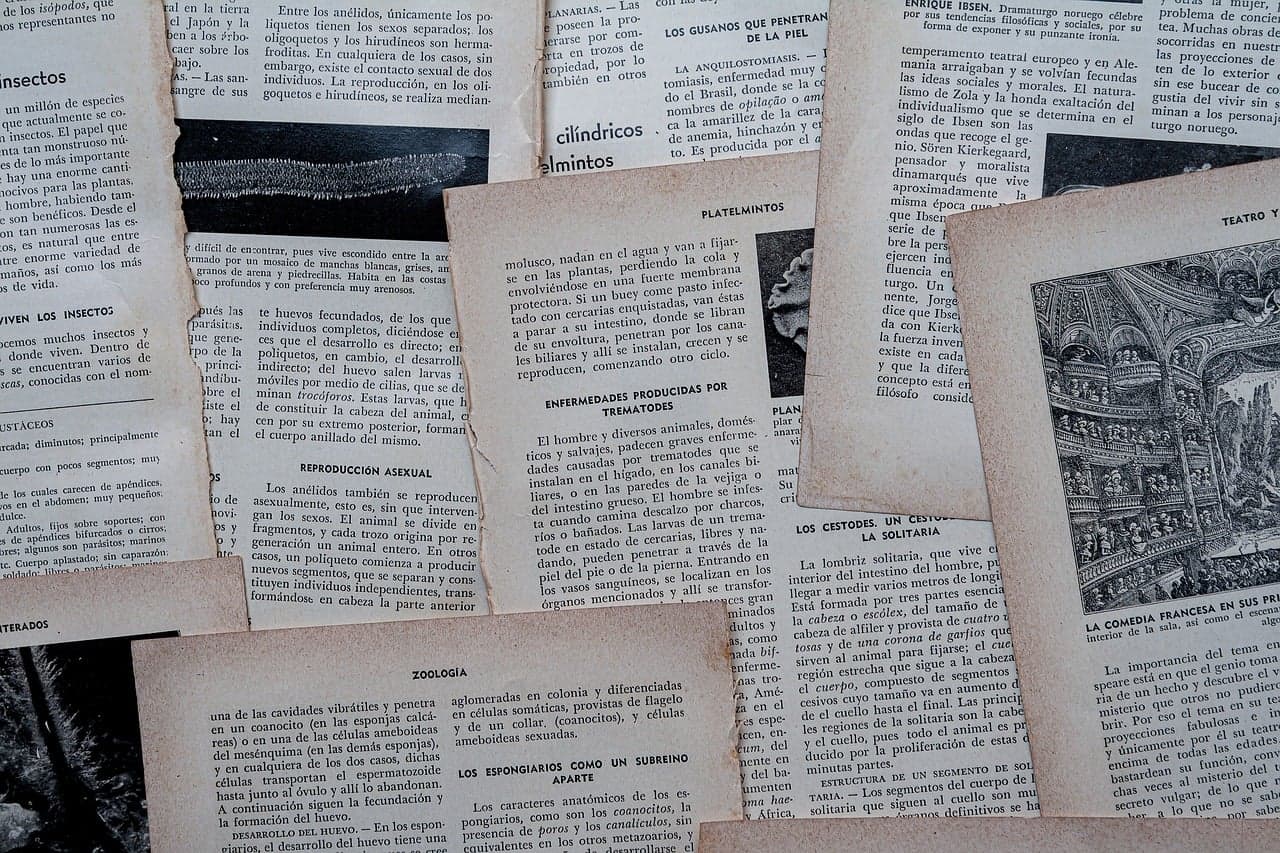
Training state-of-the-art AI models requires very large text datasets, and some companies have turned to used printed books as a source. Reports indicate that firms purchase physical books in bulk, remove the pages, scan them into digital form and then dispose of the remaining paper copies. As a result, many of the purchased volumes are permanently destroyed.
How the process works
Court filings related to one lawsuit say that Anthropic used a hydraulic cutter to remove pages from volumes acquired from booksellers; those pages were then read by industrial scanners. The company and legal documents cited in the case rely on the first-sale doctrine: once a buyer legally owns a physical book, they may do with it as they wish, which removes the need for the copyright holder’s consent to alter the book.
According to the court filings, because the physical books were converted into digital form rather than being reproduced in a way that the company describes as duplication, the modification has a "transformative" character. Anthropic argues this supports treating the action as fair use.
Growing practice and booksellers’ role
Reporting by 404 Media suggests the practice has become common enough that some successful used-book shops actively market to AI firms. Some shops even advertise that "the world’s best AI training data sits on our shelves."
Certain dealers claim they can help collect between 1,000 and 1,000,000 copies for AI customers and say they do so confidentially. One bookseller recounted that in April he used to sell at most 20 volumes per week, but the number suddenly rose to several hundred; he is confident the buyers are AI companies. He also noted his inventory contains many rare or out-of-print titles, and that this use could destroy the last remaining copies of some works.
Why printed books are attractive to AI developers
Used printed books are valuable to AI developers because many were written before the widespread use of generative AI, meaning their text is untainted by machine generation. That human-authored material can be considered higher quality or more representative of original usage, which is useful when training language models.
Fate of the physical books and implications
Once the volumes are cut, the remaining paper often becomes waste after scanning. Booksellers express mixed feelings: they appreciate receiving money for old, otherwise unsellable stock, but lament the irreversible destruction of books.
The practice raises legal and ethical questions. Companies point to permissible uses under copyright law, while cultural, library and collector communities warn about permanent loss of physical works. The potential cultural impact is particularly worrying for rare and out-of-print titles.
Summary
Demand for high-quality, human-authored text for AI training has created a market for used printed books. The process of buying, cutting up and scanning these books is defended by companies under legal doctrines like first sale and claims of transformative use, but it also leads to the permanent destruction of physical copies and raises cultural and ethical concerns.